
Business Casual Headshots: What to Wear and How to Pose
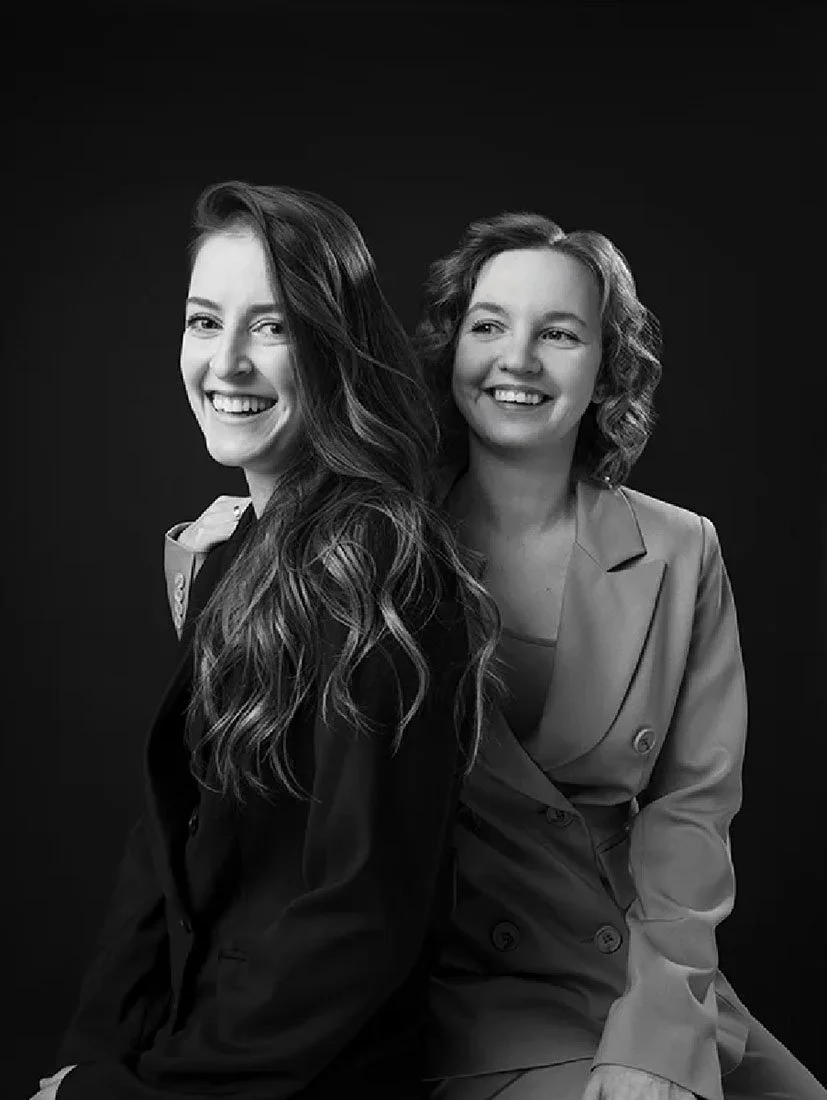
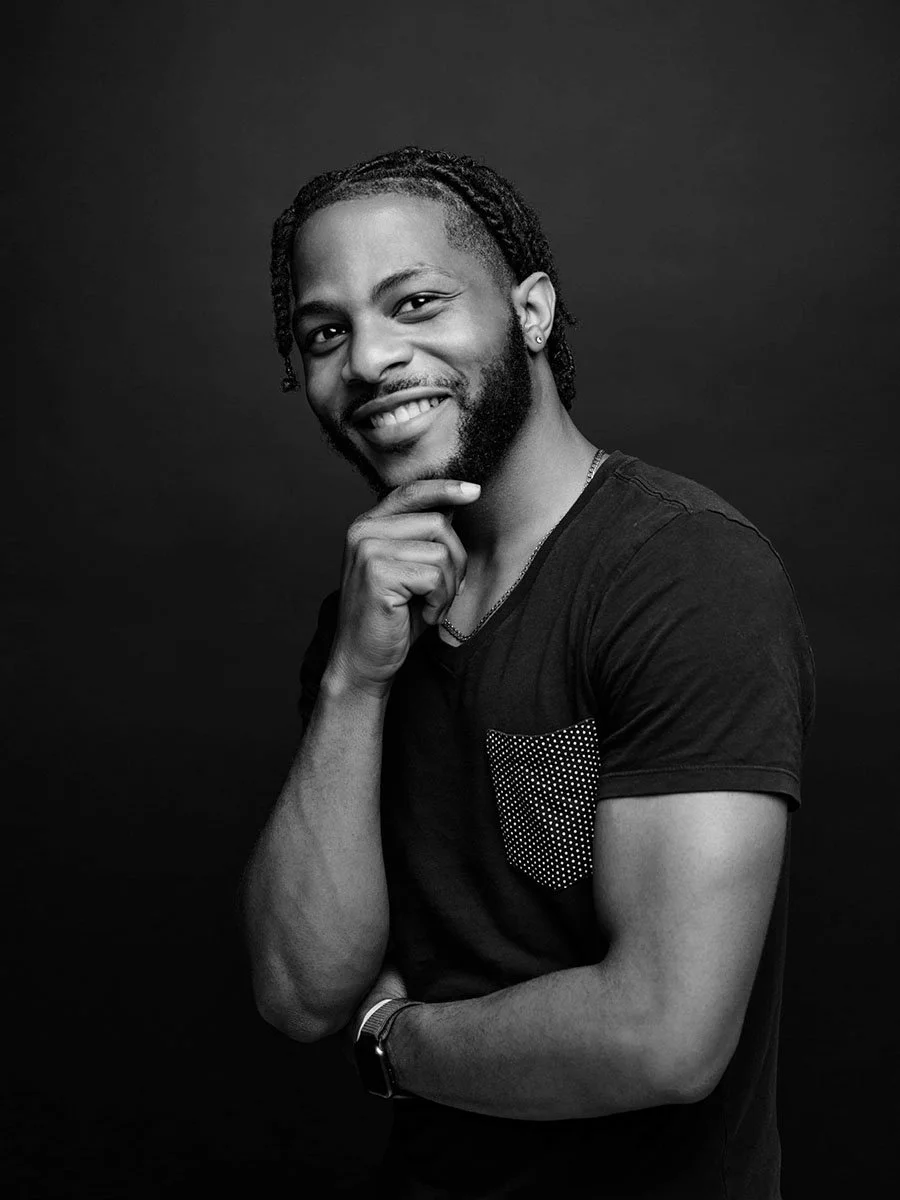
Choose business casual when a suit would feel too formal but ordinary weekend clothing would feel unfinished. Start with a fitted knit, a clean collared shirt without a tie, a simple blouse, or one soft structured layer in a solid or restrained color. Pair it with relaxed shoulders, direct eye contact, and an expression that feels natural for client or colleague conversations.
This look fits many startup, technology, creative, consulting, and modern professional roles. It is also useful as a second option beside a more formal frame. If your organization, role, or publication expects a suit, begin there and treat business casual as the alternate.
Key takeaways
- Choose business casual when it matches how you normally meet clients and colleagues; start with a more formal look when your role or organization expects one.
- Use a clean fit, a solid or restrained color, and one structured layer when you want a more formal option.
- Compare pose, expression, clothing separation, and background together before choosing the final frame.
In this guide
- What does business casual mean in a headshot?
- When should you choose it?
- The wardrobe starting point
- Fabrics and details
- Adjust the level of structure
- Pose for a relaxed professional frame
- Background and light
- Business casual for a team
- Common mistakes
- Prepare two meaningful options
- Where to go next
- Frequently asked questions
What does business casual mean in a headshot?
Business casual sits between a suited corporate portrait and a relaxed personal photograph. The clothing still looks prepared and work-appropriate, but it uses softer structure: a fine-gauge knit, button-down without a tie, simple blouse, cardigan, or unstructured jacket.
When should you choose it?
- Choose it as the primary look when it matches how you normally meet clients and colleagues.
- Choose it as a second look when you need both a formal company portrait and a warmer profile option.
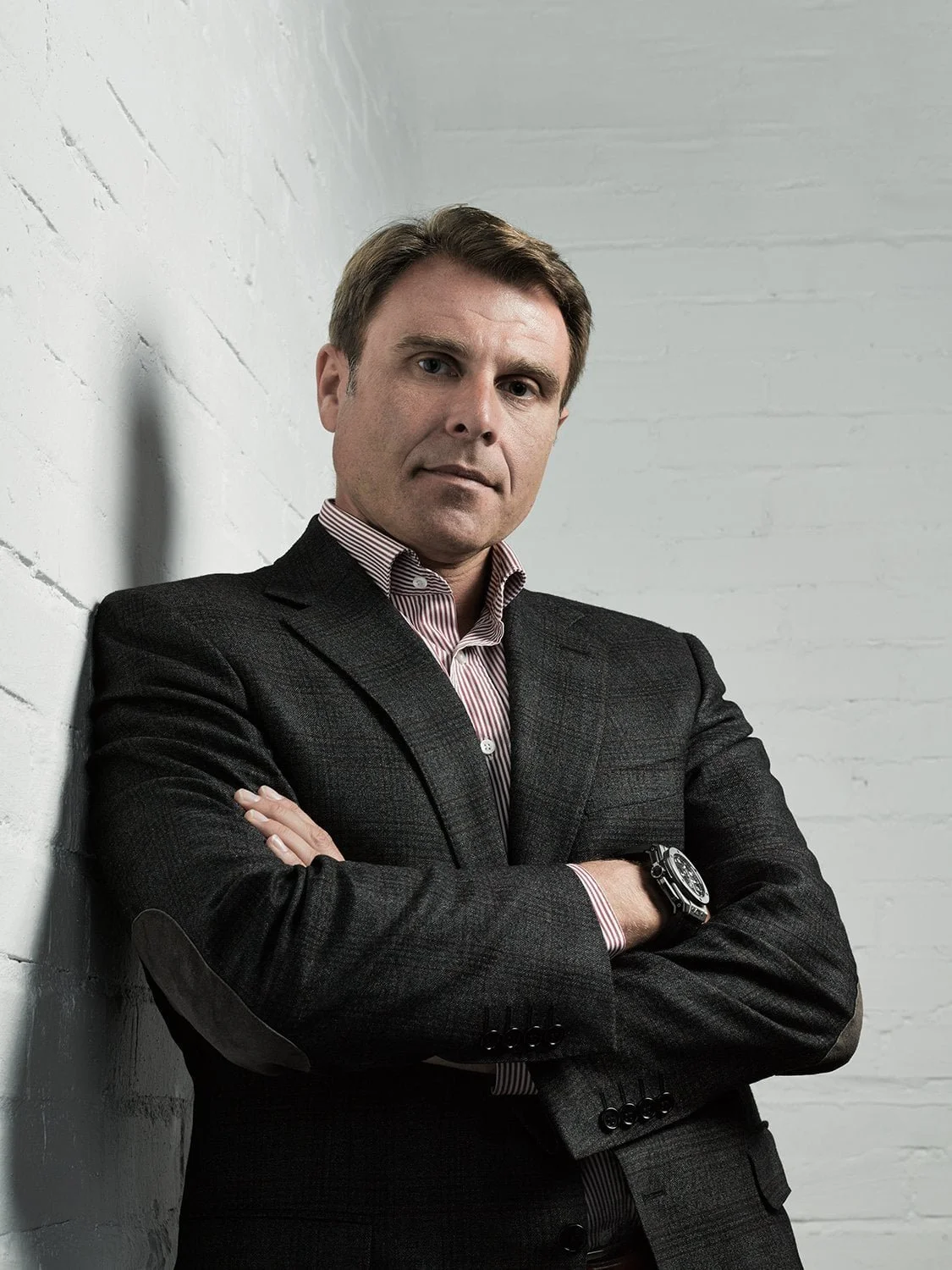
- Choose a suit or more formal clothing first when the organization, publication, or leadership role has a clear formal expectation.
For a broader preparation decision across formal, personal, team, and remote uses, see what to wear for headshots.
The wardrobe starting point
| Register | Typical outfit | Feels like |
|---|---|---|
| Business formal | Suit, blazer + tie, structured dress | Authority, tradition |
| Business casual | Fitted knit, collared shirt (no tie), smart blouse | Competent + approachable |
| Casual | T-shirt, hoodie, loud prints | Off-brand for most headshots |
Start with a solid or restrained color, a clean fit, and one structured layer if you want the option to dress the frame up. Skip large logos, high-contrast patterns, and garments that bunch at the shoulder or neckline.
Fabrics and details
Fine-gauge knits, crisp cotton shirts, ponte or unstructured jackets, and matte woven fabrics usually hold a clean shape. Check soft garments for wrinkles, stretched collars, and clinging. Press the outfit, clean the neckline, and keep accessories simple enough that the eyes remain the first point of attention.
Adjust the level of structure
Add a blazer, sharp cardigan, or overshirt when the portrait needs more authority. Use a knit or open collar when the setting supports a softer look. The goal is to resemble how you actually dress for meaningful work conversations, with cleaner fit and preparation for the camera.
Pose for a relaxed professional frame
Keep the shoulders down, turn the torso slightly if it improves the shape, and bring the face back toward the lens. Compare a restrained smile with a fuller smile. If hands are included, rest them on a surface or give them one simple position. The separate pose guide covers angle, eye line, hands, and crop in detail.
Background and light
Use a background that separates from the clothing and remains quiet at thumbnail size. A neutral studio background, uncluttered office, or restrained brand color can all work. Test dark clothing against dark backgrounds and pale clothing against bright backgrounds before finalizing the outfit.
Business casual for a team
Define one level of formality for the group, plus a compatible color range and a short list of exclusions. The team does not need identical clothing. It does need enough consistency that the finished page feels planned. Company organizers can review team headshots in NYC.
Common mistakes
- Too relaxed: hoodies, worn T-shirts, or visibly wrinkled garments may not support a professional use.
- Mixed formality: a suited person beside someone in a casual tee can make a team set feel accidental.
- Poor fit: soft clothing still needs a clean shoulder, sleeve, and neckline.
- Distracting detail: logos, shiny fabric, or large accessories compete with the face.
Prepare two meaningful options
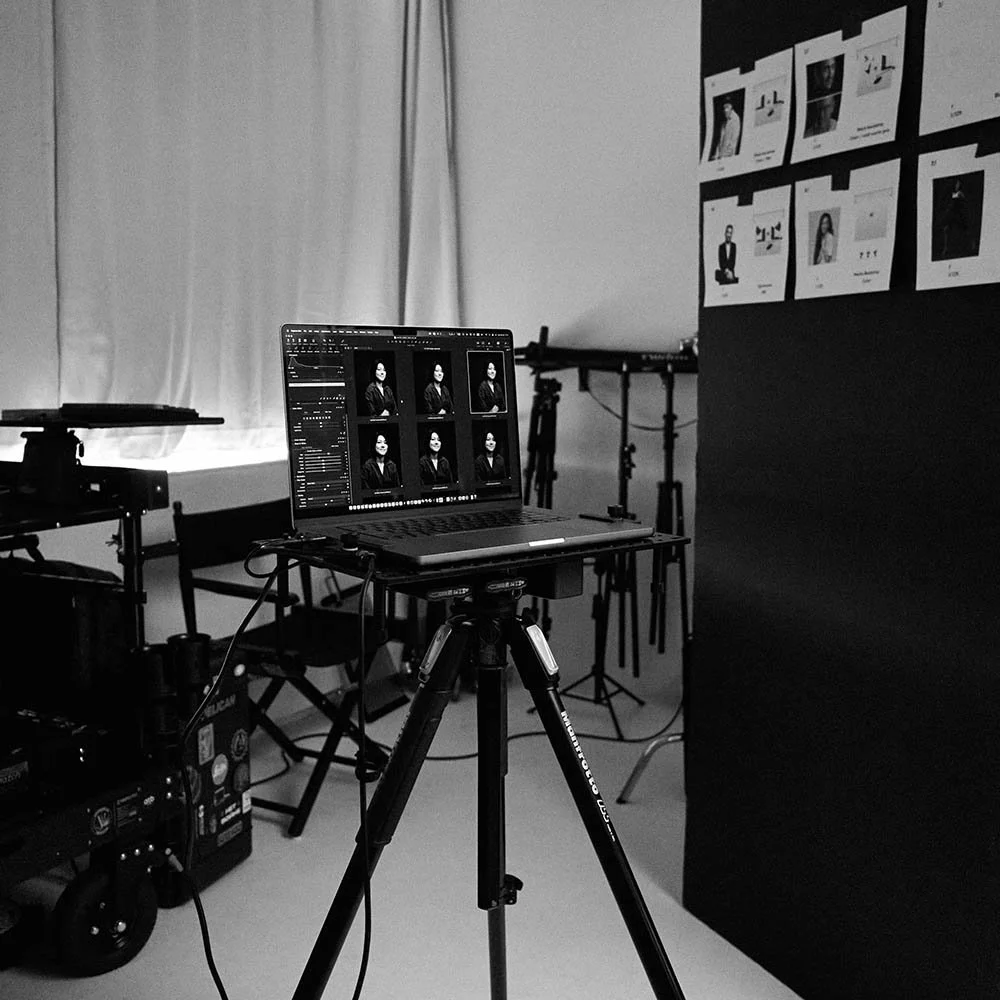
Bring one primary outfit and one alternate that changes the level of structure, color, or neckline. Photograph both under the intended light and background. Compare expression and recognition first, then clothing fit and separation.
Where to go next
Use business headshots in NYC for the broader service route or LinkedIn headshots in NYC for an individual profile portrait. Keep this article focused on the business casual look; use the general wardrobe guide for other dress codes and session types.
About Match Production
Match Production is an NYC studio specializing in corporate, team, and executive headshots, shot in-studio, on location, and remotely with live direction. We've shot business-casual headshots for companies across New York, from startups to creative studios.
This guide separates business casual from the broader wardrobe decision so individuals and teams can choose the level of formality before the session.
Frequently asked questions
What is a business casual headshot?
It is a professional portrait with less formality than a suit: a fitted knit, collared shirt without a tie, simple blouse, cardigan, or unstructured jacket, paired with deliberate grooming, posture, and expression.
What should I wear?
Choose a clean, well-fitted garment in a solid or restrained color. Add one structured layer if you want a more formal option. Avoid large logos, tight patterns, and clothing that wrinkles or bunches easily.
Should I smile?
Compare a restrained smile and a fuller natural smile. Choose the expression that feels consistent with how you meet clients and colleagues and that remains clear at the intended crop size.
Can business casual still look authoritative?
Yes. A clean fit, controlled background, direct eye contact, and one structured layer can create a more formal version without requiring a suit.
How should a team stay consistent?
Agree on one level of formality, a compatible color range, and shared exclusions. Use the same lighting, background family, and crop while allowing individuals to choose garments that fit them well.