Understanding the Art of Portrait: Techniques and Styles Explained
What We Mean By “Portrait” In Corporate Life
In a corporate context, a portrait means the image that represents a person in their professional life: the photograph that gets used, shared, and displayed, showing the subject's face or likeness. A portrait can be a painting, a photograph, a sculpture, or another artistic representation of a person where the face stays predominant. In corporate portraiture, that includes corporate headshots, executive portrait photography, leadership portrait photography, and team headshots used for press, LinkedIn photos, investor materials, and employer brand pages. The type of portrait—such as headshot, profile, or 3/4 view—can affect how the subject's personality and mood are conveyed.
This is not the definition you would find in a gallery where painters and artists spent centuries making portrait painting commissions for royalty or nobility—capturing status through symbols, clothing, and formal poses. Portraits have always been used to show the power, importance, virtue, beauty, wealth, taste, learning or other qualities of the sitter. In art history, portraits of women often emphasised beauty and modesty, while portraits of men were sometimes used to represent power and status. Portraiture is a very old art form, and it continued to flourish across centuries. Before the invention of photography, and long before the modern invention of digital cameras, a portrait painting, a sculpted portrait, or a drawn portrait was the only way to record a person’s appearance and likeness—whether that person was royalty, nobility, or a working professional. Portraits have traditionally been designed to flatter the subject, emphasizing their positive qualities or beauty. Historically, artists sometimes painted friends and lovers, resulting in more informal and intimate portraits.
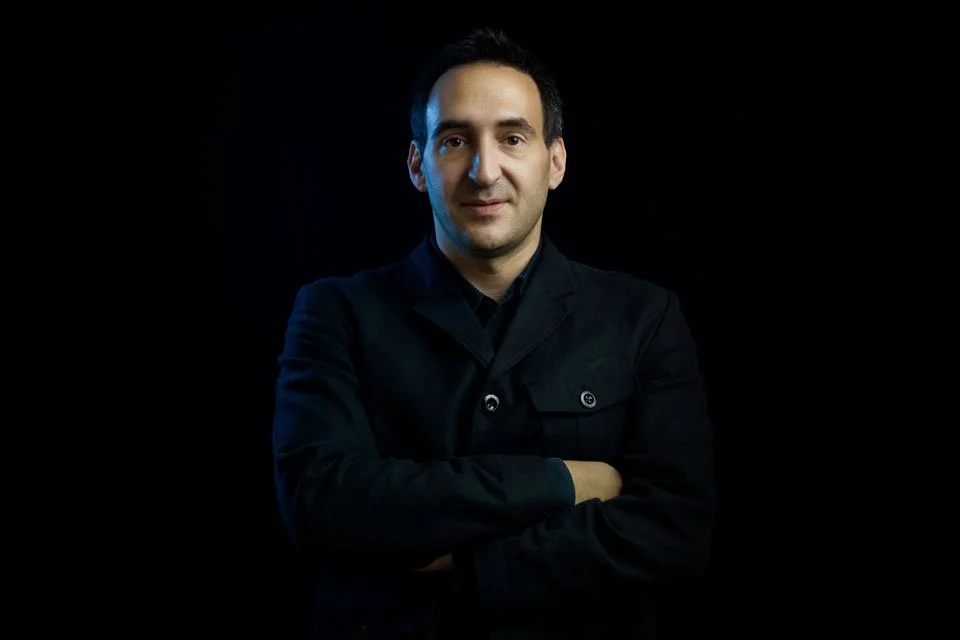
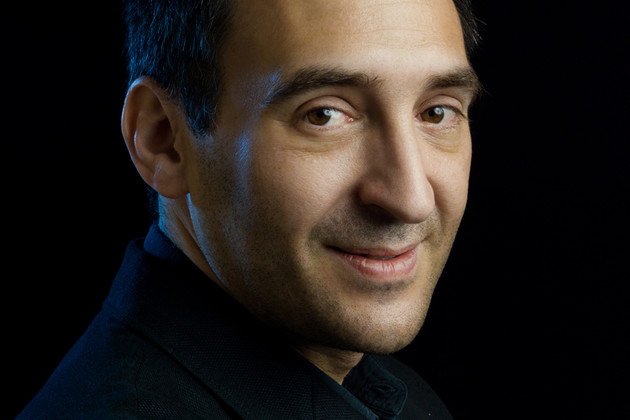
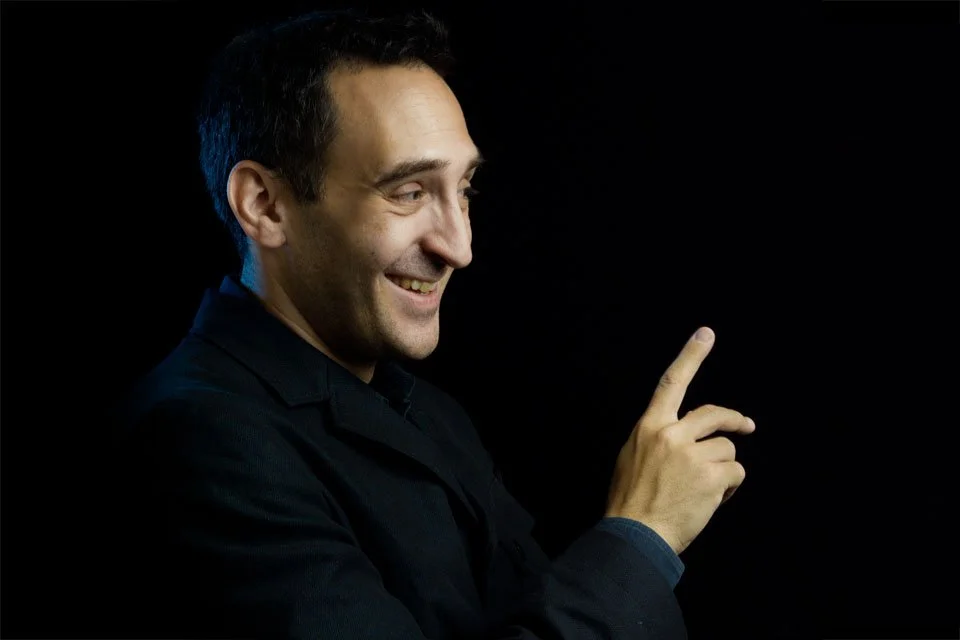
Modern corporate portraiture is different, but it is not disconnected from art history. The same problems still exist: how to represent a person’s character, how to keep the face true, how to keep the mood appropriate, and how to make a portrait feel natural without losing polish. The information a portrait provides—about personality, status, or background—remains central to its purpose. These portraits still become company artwork—brand artwork that lives on your site, in a press kit, and in a leadership gallery that your team shares internally.
Why We Still Borrow Language From Painting (Without Turning Your Headshot Into “Art”)
In photography, we often talk about “painting” with light. We use painting language because it is a simple way to describe how a portrait is built: painting the key light, painting the shadow side, painting the edge light, and painting the background so the portrait stays clean. Portraits can also be created through performance art, which adds a contemporary and dynamic dimension to the diversity of portraiture alongside traditional painting and photography. In post-production, a light painting pass is done for contrast, a painting pass for color, and a gentle painting pass for skin texture—never plastic, and never heavy painting that changes the person. Retouch artists sometimes joke that they are painters, but the goal is not obvious painting.
A Working Definition (And What You Are Commissioning)
Here is the working definition used internally: a corporate portrait is a professional representation of a person, created as photographs, delivered in a consistent gallery, and optimized for how the image will be displayed in real work life. That definition sounds simple, but it protects projects from vague expectations.
When a company hires portrait services, they are commissioning portraiture. Think of it as a commission with a clear scope: a commission for leadership portrait images, a commission for team headshot images, or a commission for both. In the past, painters accepted commissions to make paintings for monarchs or noble households; today, companies commission portrait sessions to present their teams to the world. The tools changed after the invention of photography, but the importance of representation did not. A portrait can also stand for what a person represents—their values, ideals, or the stance they want to project—making it more than just a likeness.
This is also why we talk about artwork. Final portraits become practical company artwork: website artwork on leadership pages, press-kit artwork in media folders, deck artwork in presentations, and profile artwork across platforms. This is called “brand portraiture” in some marketing circles, but it is kept plain: it is portraiture that supports work. The goal is to capture the subject’s personality and character without exaggeration, and to keep enough detail that the face still feels like the person you met in the room. Portraits can give a sense of importance to a person and their life, making them more widely known and giving a kind of immortality to their character.
If you are the writer of the press release, you want portrait photographs that help the narrative and do not fight it. If you are in HR, you want a portrait gallery that stays free of confusion so new team members can match what came before. Either way, a clean portrait image saves time for everyone who has to share, download, and use it.
Done well, portraiture continues to flourish across centuries, across industries, and across the USA, because it solves the same human problem: presenting real people—with their real mood, real personality, and real status—clearly and respectfully, for the people who will read and use those images. Even in a corporate world, tiny symbols (a posture, a hand position, a background choice) can signal confidence, and the job is to keep that signal clear without turning the portrait into art theater—while keeping the brand character consistent and letting the story flourish. Portraits also offer lessons about history, culture, and individual identity, making each image a source of insight, not just aesthetics.
A Quick Note on Self Portrait vs Corporate Portrait
Most corporate teams do not need a self portrait. A phone self portrait often reads like a selfie. A webcam self portrait often reads like a video call screenshot. A rushed self portrait can flatten a person’s face and change appearance. A low-light self portrait can hide detail and shift skin tone. A “perfect” self portrait can feel over-processed and stop representing the real person. A casual self portrait can miss the mood a brand needs. A mismatched self portrait can break a leadership gallery. A crowded background self portrait can pull attention away from the face. A poorly framed self portrait can make a confident leader look uncertain. A random self portrait can make a unified team look fragmented. A rushed self portrait can cost more time later than it saves.
While self portraits are often informal or inconsistent for business use, artists have long used self portraits to express their personality, emotions, and inner feelings through posture, body language, and facial expressions. The oldest surviving photographic self-portrait is a daguerreotype of Robert Cornelius taken in 1839.
The job is to replace that self portrait with a portrait photograph that represents you accurately, and to do it in a way that your team can repeat across multiple locations.
This article is not a list of generic photography tips you could find anywhere. It shows how portrait shoots are run in a Times Square studio, on location across Manhattan and the boroughs, and fully remote for distributed teams across the USA—from NYC to Texas and back. It explores the way the work is done. By the end, you will understand exactly what happens from first message to final delivery link.
Our Times Square Studio
Session Flow
The Times Square studio sits just off 42nd Street. Easy access from most subway lines means your team can get in and out without losing half their work schedule. The building is calm despite its location. No tourists wandering through your portrait session.
Clients schedule studio sessions for corporate headshots and executive portrait photography when they want control: consistent lighting, a stable background, and repeatable portraiture. The studio is the studio, and it looks the same every session. When it fits the brief, natural light is used in a way that still matches the team's portrait look, and the image is kept clean for web display.
A typical portrait session flow goes like this:
Arrive 10 to 15 minutes before your slot.
Quick style check to confirm wardrobe, fix a collar, adjust a tie.
Build rapport by talking and creating a comfortable atmosphere (this matters more than many expect).
25 to 40 minutes of shooting, depending on whether making one portrait look or two.
Throughout, you see the portrait pictures live on a tethered monitor.
Before you leave, narrow to the strongest portrait photographs together and note favorite images for the selection gallery. This is called the quick edit, and it is one example of how work moves while respecting everyone's time and real life schedules.
Client Experience
Same-day headshots delivery is possible when pre-arranged. If scheduled in advance and a tight deadline is communicated, a small set can be turned around the same afternoon. That matters when a new hire starts Monday and needs to be on the website by Tuesday.
Executives are kept comfortable: a private changing area, coffee and water, and calm music. The crew understands tight calendars. If you have 30 minutes, the most is made of them to get you out on schedule. The result is press-ready portrait images and LinkedIn photos that match brand guidelines without follow-up.
Delivery Timeline
Same-day delivery for select portrait images (with advance notice and sign-off on scope)
Standard delivery: proofs same or next business day; final retouched files 3–5 business days after selections (depending on volume)
On Location Headshots
Where We Work
On location headshots means coming to you. That could be your office, a hotel conference room during an offsite, a rented event space, or a new headquarters you just moved into. Coverage extends across multiple locations in the city when teams are split, letting you keep making progress on your workday while the portrait setup is handled.
Pre-Shoot Logistics
Pre-production is practical and written, so everyone has the same answers:
Request scout pictures or schedule a quick site visit for larger shoots, especially for a large team or a large office with multiple rooms—bringing clarity before shoot day and making gear move-in smoother.
Confirm setup location, portrait background or environmental look, and lighting needs.
Lock power and space requirements, plus load-in details with building security.
Match call times to meeting schedules and keep the flow efficient.
Scheduling and Consistency
Scheduling windows flex based on needs:
Morning block for leadership portrait sessions before afternoon meetings.
Afternoon window for large team headshots during an offsite.
Early starts for law firms.
For visual consistency, lighting setup, framing guidelines, and a shared reference gallery are locked. HR teams can be confident that new hires photographed in March will match executives shot in September—and that when another group is photographed in March next year, the portraiture will still match. That is one reason the same portrait background and the same portrait lighting are insisted on when the goal is a unified gallery.
Technical Approach
Simple, repeatable portraiture choices are used:
Encourage the sitter to angle the body about 45 degrees away from the camera.
Use longer lenses (50mm to 85mm) for flattering perspectives and consistent face shape.
Keep a stable crop guide so every portrait image reads like one set.
Keep detail consistent: collar line, chin angle, and eye line.
Travel and Setup
Realistic travel buffers for different city areas are built in. The crew arrives 60 to 90 minutes before the first sitter for setup and testing. Load-in is planned so your team is free to keep working, and the footprint is kept small so your workspace stays usable.
Outcome
You focus on getting team members to their slots. The focus is on making a unified portrait collection that works across your website, press materials, internal directories, and any gallery you share with leadership.
Why We Use Painting Language to Perfect Corporate Headshots
What Sets Executive Portraits Apart
Executive portraits and leadership portraits differ from standard team headshots. They still need consistency, but they also need more narrative, more detail, and more control over representation:
More focus on expression and appearance.
Greater attention to styling.
Creative direction is a conversation, not a checklist.
Executive portraits often feature the subject looking directly at the viewer to create a more engaging and personal connection.
Preparation
Preparation for C-suite portrait sessions starts with a pre-call. Alignment on image usage (press, annual report, LinkedIn, investor communications) is done, and the photographer is briefed before arrival. The goal is to save work for the meeting room—meaning the thinking is done upfront and the session kept smooth.
Session Structure
A typical executive portrait session runs 60 to 90 minutes, depending on scope and time on camera:
Wardrobe changes.
Variations in background.
Space to find the right expression without rushing.
Sometimes a mix of studio and office settings, plus one option with city landscape context (a skyline or architectural landscape), when that fits the narrative.
Posing and Expression Coaching
Posture, chin angle, hands, and micro-expressions are guided. Conversation helps the sitter relax, aiming to capture authentic leadership character, personality, and likeness—without turning the session into performance, bringing calm direction to keep making progress even under pressure. The sitter should look like themselves, just refined. This is especially important for women executives and women leaders: the portrait is kept direct, likeness protected, and beauty kept real rather than stylized.
Real Example
An example includes photographing a founder in their office, then near a park for outdoor shots. The indoor portraits communicated authority and focus; the outdoor portraits brought approachability and a sense of the world beyond the boardroom. Together, the portrait collection told a complete narrative that still feels corporate.
Common Uses for Executive Portraits
Press kits and media features
Investor decks and annual reports
Company website leadership pages
Internal communications and town halls
Conference speaker profiles
Outcome
The outcome is trust and clarity. When someone sees your executive portraits, they should immediately understand that this is a person who knows what they are doing.
Remote Headshots
Why Remote Headshots
Remote headshots solve a specific problem: your team is spread across the country or the world, and you need consistent portraits that look like one unified gallery, not a random collection of self portraits. Remote portraiture has to be managed, or it becomes chaos. This is done by bringing the same portraiture rules to every sitter, making the capture predictable, and keeping the work light for your team.
A lot of remote “headshots” online are essentially self portraits: the sitter is guessing at angle, light, and background. A self portrait can be fine for personal use, but it is not the same as a corporate portrait image. When remote is done without guidance, you get a self portrait that doesn't match the office portrait gallery. The job is to replace that self portrait with a consistent portrait photograph that represents the person accurately, and to keep the whole collection aligned.
Process Overview
Booking and tech check across time zones (USA and beyond).
Send guidance on lighting, background, and camera positioning.
For large programs, ship simple equipment kits (as needed) to reduce variability.
For small groups, guide team members through using their own gear.
Session
Sitter joins a video call.
Real-time direction: posture, expression, framing.
Photographer captures images remotely or guides the sitter through their own camera setup.
Instant review on screen to confirm the portrait photographs and select favorites for the delivery gallery.
Brand Consistency
Framing, background guidelines, and color references are standardized, then every image is aligned in post so the full gallery reads like one collection. This is the same way on-location portraiture and studio portraiture are kept consistent.
Troubleshooting
Bandwidth issues, mixed webcam quality, and time zone challenges are addressed, with backup plans and minimum camera specs. The goal is to keep the session smooth and keep the sitter comfortable, even when the person is far from the main office.
Integration with Other Sessions
Remote headshots integrate with studio and on location sessions:
Staff based in the main city come to the studio.
Satellite offices get an on location visit.
Remote workers join virtually across the country, and their portraits are kept consistent with the main gallery.
The final gallery looks unified because it is planned that way from the start, and because everyone follows the same written guide.
Studio vs. On Location vs. Remote: At-a-Glance Comparison
| Feature | Studio (Times Square) | On Location (Your Office/Event) | Remote (Virtual) |
|---|---|---|---|
| Control over Lighting | High | Medium–High | Variable (guided) |
| Travel Required | Yes, to the studio | No, we come to you | No, fully virtual |
| Consistency | Highest | High, with planning | High, with guidance |
| Comfort & Amenities | Private, calm studio with amenities | Familiar office or event setting | Home or remote environment |
| Turnaround | Same-day possible | Proofs fast; finals after selections | Proofs fast; finals after selections |
| Best For | Executives, founders, and small teams | Large teams, offsites, and events | Distributed and hybrid teams |
From Brief To Delivery
Initial Scoping
The workflow from first inquiry to final files follows a clear path:
Initial email or call to define locations (Times Square studio, on location, or remote), headcount, usage, and timing.
A simple checklist is shared so your team can gather details free of confusion.
A single point of contact is requested to keep the process light, and confirmation of who will sign the internal approvals.
Pre-Production
Pre-production is tailored to needs:
For executive portraits: gather mood references and discuss visual direction.
For team headshots: create a shot list or coverage plan.
Decide on backdrop and lighting based on brand guidelines.
Coordinate with facilities or event planners for on location shoots.
For large teams, a small reference gallery is shared so stakeholders can sign off quickly.
Shoot Date
The shoot runs on a call sheet:
Crew arrives 60 to 90 minutes before the first sitter.
Equipment setup, test shots, light adjustments.
Photo flow management to keep things efficient.
Live on-site image selections for large shoots.
The same standards for every sitter are followed so the portrait gallery stays consistent.
Post-Production
Post-production process:
Cull to strongest images.
Light global corrections for exposure and color.
Retouching (under-eye cleanup, flyaway hairs, lint removal).
No over-smoothing—faces look real and the portrait still feels like the person in real life.
Behind the scenes, this is where the “artists” part of the work shows up. The artists treat this as craft-level art: not showy, but precise. After the first pass, the artists review the gallery again, and sign off before delivery. The artists also keep notes so the look can be repeated. Retouch artists, color artists, finishing artists, and digital artists are focused on accuracy. These artists are not making a new face; they are making small, consistent improvements, and they are checking detail so the likeness holds. Every output is treated as a different medium: LinkedIn is one medium, a press PDF is another medium, and a website hero crop is another medium. In each medium, the portrait is kept consistent, and the subject recognizable.
Delivery Timeline
Proofs: same or next business day (depending on scope).
Standard retouched finals: 3 to 5 business days after selections.
Rush options available for media deadlines (pre-arranged).
Pricing
Individual sessions: from USD 449
Corporate Mini Session blocks: from USD 1,449
Remote headshots: from USD 100
On location work: quoted based on scope, logistics, and complexity
Real Example: One Headshot Session From Our Call Sheet
A growing firm needed consistent portraits for their entire team: multiple team members across several floors, plus leadership portraits for several partners.
Timeline and Process
Crew call: early morning.
Setup in multiple conference rooms for multiple shooting bays.
Each person had a scheduled window.
Adjusted schedule for unexpected meetings.
Wrapped by late afternoon with all leadership portraits complete.
Delivery
Proof gallery posted fast for selection.
Final retouched files delivered on the agreed timeline after selections.
HR saved the reference gallery so future hires match the original portrait style.
The firm now has a unified gallery that works across their website, LinkedIn, and press features.
How We Align With PR, HR, And Employer Brand Teams
PR and Communications Needs
PR and communications leads need press-ready files with consistent naming conventions, high-resolution versions and web-ready crops, and images organized for easy access and sharing. A single delivery link is provided so teams can share internally without digging.
HR and Employer Brand Initiatives
HR and employer brand teams work with the portrait studio on new hire onboarding, leadership changes, and career page refreshes—keeping every portrait consistent across the collection. The goal is to keep the portrait gallery clean and to keep representation consistent across women, men, and every role, so the company looks unified.
Coordination and Approvals
Shared spreadsheets or call sheets, sign-in tables on site, and calendar slots are used. Images are routed clearly for feedback from marketing, legal, and leadership, so teams can sign off without version chaos. That sign-off step is important: it keeps the workflow clean, and it keeps everyone aligned. It also reduces rework, and keeps the work focused on making the final portraits right the first time.
File Delivery, Formats, And Keeping Images Future-Proof
What You Receive
Color-corrected high-resolution files (for print display).
Web-ready versions (optimized for fast loading).
Optional crops for LinkedIn, internal profiles, or press kits.
Consistent file naming.
Technical Details
JPEG format for most uses, sRGB color profile for web, larger files for print, and custom formats on request. The goal is to keep the image consistent across devices and to keep the portraits looking accurate.
Gallery Access and Future Updates
Gallery access stays live for a set period after delivery. New employees can be photographed to match earlier sessions. Additional crops or retouching can be requested. That is one way to keep your portrait collection useful as your team changes.
Booking, Timing, And Next Steps
Lead Times
Small studio sessions (1–2 people): schedule within a week or two. Large on location headshot programs (30+ team members): several weeks lead time recommended. If you moved offices recently or you are rebranding, plan a little extra margin.
How to Book
To start the process, email scope and timing to hello@match-production.com. Include rough headcount, location preference, and ideal dates. Follow-up questions and a tailored quote will be provided. If you need a fast answer, a written scope template and a written checklist can be shared to speed things up. If you are exploring options, explanations of which medium your portraits will live in most (LinkedIn, website, press) and how that affects the capture can be provided. This is called the planning step, and it helps portraiture flourish even when the invention of a new platform changes where images get displayed.
Coverage is available across Manhattan and the boroughs, mixing studio, on location, and remote headshots within a single company program. Your city team, satellite office, and remote workers across the USA can all be in one unified gallery.
Whether you need five leadership portraits or fifty team headshots, the way forward is the same: reach out, share the scope, and it will be taken from there. Clarity is favored over hype, and internal work time is saved by making the process predictable while presenting your team at their best.