
Why Consistent Team Headshots Matter
The short version: a consistent team set gives the company a shared visual standard for its website, profiles, and press materials. The same framing, lighting, and crop make the set easier to use across team pages, LinkedIn profiles, and company materials. Start with the uses, visual reference, and schedule that the team actually needs.




Key takeaways
In this guide
- Why do a team's photos matter more than any single one?
- What changes when you upgrade
- The business case, briefly
- The compounding cost of a mismatched team page
- What do clients and candidates actually notice?
- Why does consistency read as competence?
- Making it a repeatable process
- The morale upside nobody mentions
- What good looks like, in practice
- When should you schedule a team refresh?
- How a team upgrade actually works
- What mistakes should you avoid?
- What does a team headshot cost?
- Frequently asked questions
Why do a team's photos matter more than any single one? A team page is easier to maintain when portraits share a clear visual reference. One consistent set gives the organizer a usable grid for the team page, About page, and press materials, while mismatched crops and backgrounds create extra work when people join or change roles. The practical goal is a repeatable portrait standard that can be updated over time.
Start by choosing the background, crop, wardrobe guidance, and retouching level before the session. That brief gives everyone the same preparation target and makes later additions easier to match.
| Surface | Without a shared reference | With an agreed visual standard |
|---|---|---|
| Team / About page | Crop, background, and file specs vary | Crop, background, and file specs are recorded |
| LinkedIn profiles | Each file follows its own setup | A repeatable file set for the team grid |
| Sales decks & proposals | Extra review and rework | Easier approval and reuse |
| Press & investor materials | Different specs to reconcile | Files prepared to the agreed brief |
The business case, briefly
Sales: people buy from people. Consistent, confident faces build trust before the first call.
Recruiting: candidates research your team. A credible team page helps you compete for talent.
Investors and press: a polished team reads as a company that sweats the details.
Internal pride: people genuinely like having a great photo of themselves. It's a small morale win.
The compounding cost of a mismatched team page






What do clients and candidates need to see?
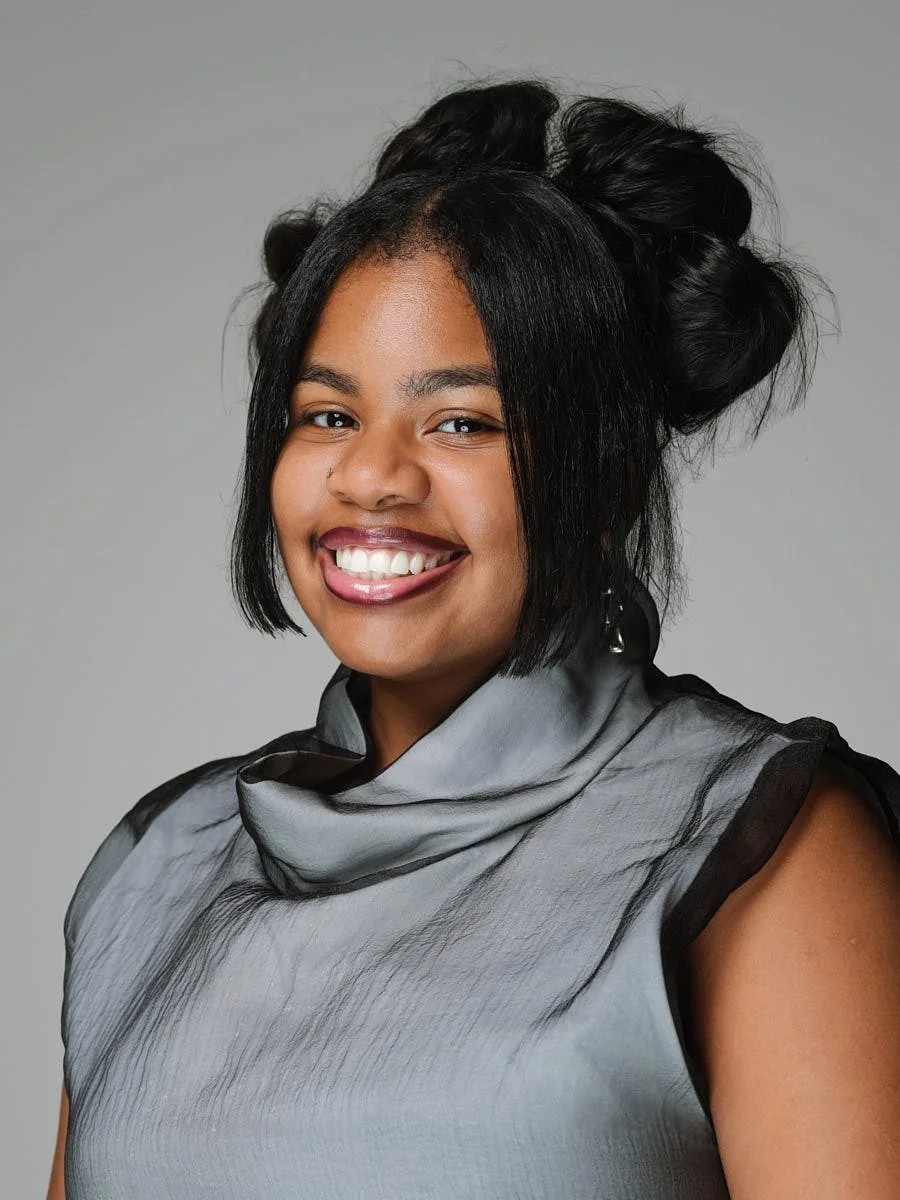
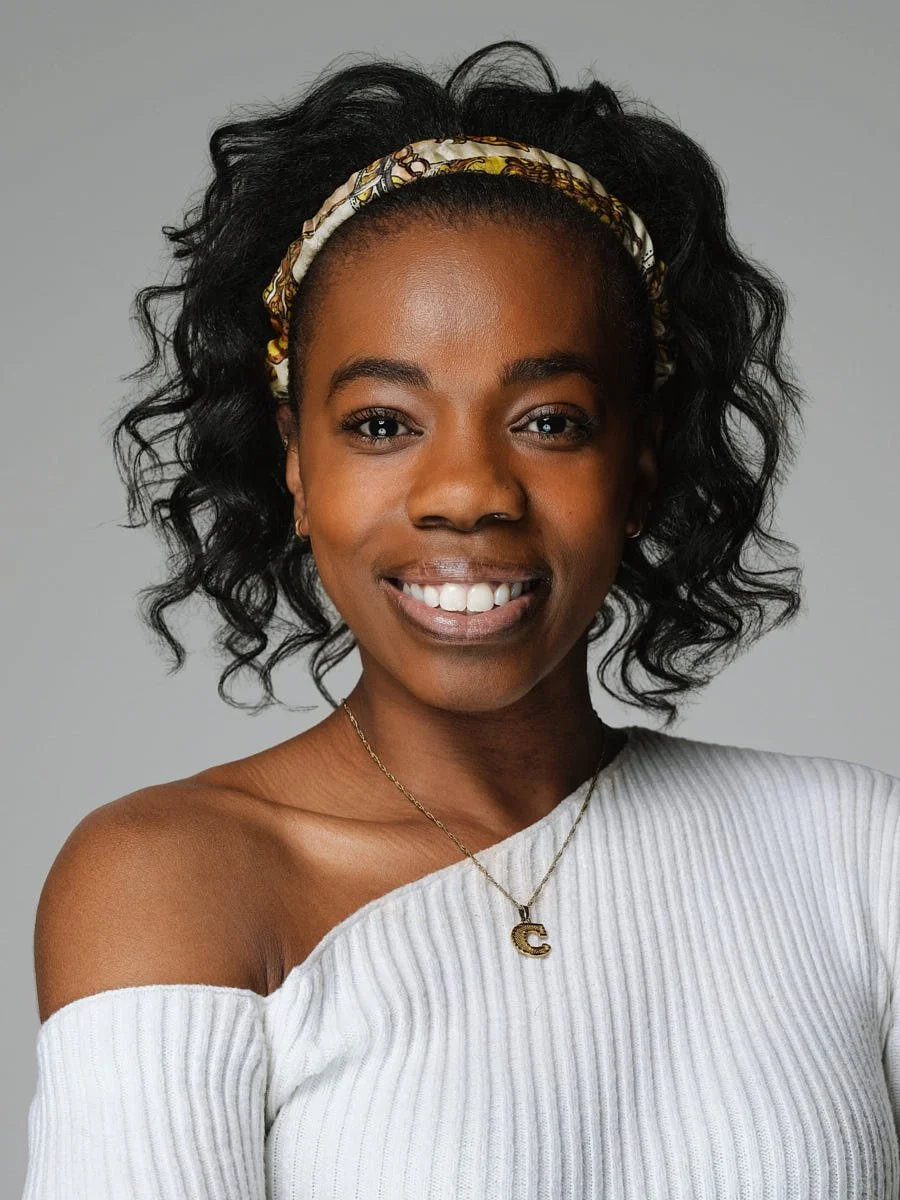
A team page works better when the portraits use a clear visual reference. Record the background, crop, lighting direction, expression range, and retouching level so the set can be reviewed consistently.
Why document the visual standard?
A written standard gives the coordinator and photographer the same reference. It also gives later hires a practical path into the existing team style.
Make it a repeatable process
At the first shoot, record the approved background, crop, lighting style, and file requirements. Add new people through a later session or a remote workflow that follows the agreed reference.
Support the employee experience
Send clear arrival, wardrobe, and selection instructions before the session. Employees can then prepare for the format while the photographer directs posture and expression on set.
Keep the team page current
Review the portraits when the team, brand, or website changes. Between full refreshes, add new hires to the existing standard and keep the current reference with the project.
How a team upgrade works
The main decisions are format, visual reference, participant flow, selection ownership, and later-hire handling.
Pick a format. One office uses on-location. A distributed team can use remote, live-directed. A small leadership group can use the studio.
Lock one look. Record the background, lighting, crop, and retouching reference. Send a one-line wardrobe note.
Set the schedule. Use the approved package or proposal to set participant timing and room requirements.
Plan for new hires. Agree on how new people get matched into the same style.
What does a team headshot cost?
Team headshots are scoped by the selected package or proposal. See our team headshots and corporate headshots service pages, or corporate headshot pricing for current options.
About Match Production
Match Production photographs teams in studio, office, and live-directed remote formats. A project brief can define the background, lighting, crop, expression range, retouching standard, selection owner, and process for later hires.
Frequently asked questions
Why do consistent team headshots matter? A shared background, crop, and retouching brief make a team page easier to update and keep visually coherent.
How do we keep team headshots consistent? Use one photographer or one written brief, send the same wardrobe guidance, and record the background, lighting, crop, and retouching choices for future hires.
How long does a team headshot session take? Timing depends on headcount, location, and the selected format. Match Production confirms the schedule with the organizer before the shoot. Standard team delivery is 24–48 hours after selections; custom programs follow the agreed proposal.
How do we handle new hires after the main shoot? Keep the original brief and add new people through a planned mini-session or a remote session so their files can be prepared for the same team grid.