Corporate Headshots: Complete Guide for HR Teams and Companies in 2026

Introduction

Corporate headshots are the visual infrastructure behind every company website, LinkedIn profile, press kit, and internal directory. For HR and People Ops teams managing 20 or more employees, organizing a headshot program is an operational project that intersects brand identity, employee experience, and budget management. This guide covers company-wide headshot programs-not individual portrait sessions-and walks through everything from format selection to enterprise-scale rollouts.

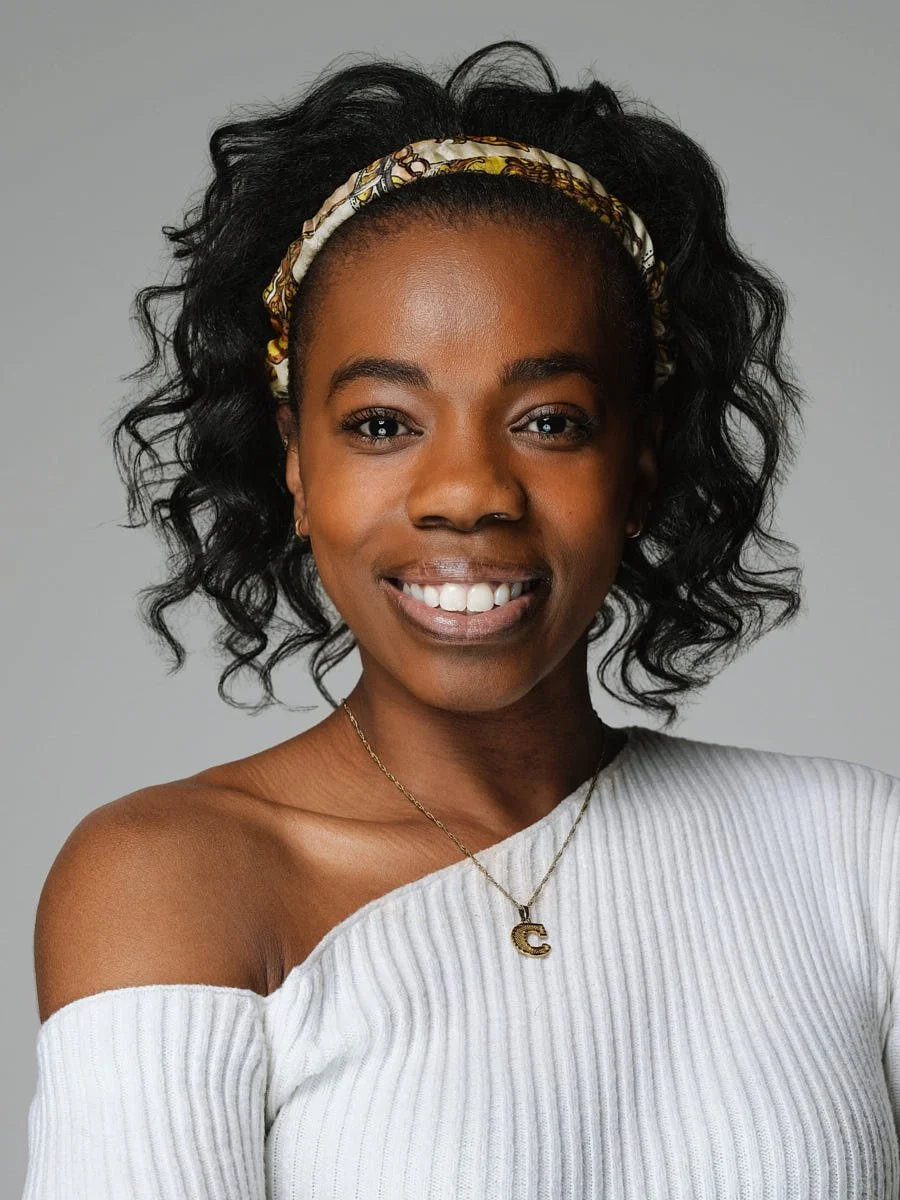
Corporate headshots are professional portrait photographs designed for business use across LinkedIn profiles, company websites, press materials, marketing materials, and internal directories; they are also commonly referred to as business headshots across these professional channels. Professional corporate headshots serve as a digital handshake conveying professionalism and credibility. Unlike casual snapshots or ad hoc photos, a corporate headshot program prioritizes consistency across every employee, reinforcing brand recognition at scale.

First impressions are formed in just 1/8th of a second. A polished image communicates competence and reliability in a business context, which is why companies aiming for the best corporate headshots treat them as strategic assets, not decoration. People form impressions within seconds based on a high-quality photo, which is why hiring managers use LinkedIn to screen applicants based on headshots and why a great headshot can improve sales numbers and attract investors.

By the end of this guide, you'll understand:

  • The difference between headshot program types and when each applies

  • How to plan rollout logistics for teams of 20 to 500+

  • Standards for maintaining brand consistency across departments and locations

  • Realistic budgeting benchmarks, including hidden costs

  • Vendor selection criteria that protect quality and timeline

Understanding Corporate Headshot Photography Programs

A corporate headshot program is not the same as booking a portrait photographer for one executive. It's an organized, company-wide effort to photograph employees in a consistent, professional style while coordinating individual headshots within a standardized system for lighting, backgrounds, cropping, retouching, and expression guidelines. The goal is visual coherence across your entire team, whether images appear on your company websites, LinkedIn headshots, business cards, or investor decks.

Corporate headshots are essential for personal branding at both the individual and organizational level. Consistent high-quality imagery strengthens brand recognition and shows attention to detail. Professional photography can capture personality and increase employee confidence, which matters when those photos represent your workforce to potential clients and partners, and when a business portrait photo is reused across company and personal branding assets.

Traditional Studio Programs

Traditional studio headshots involve employees traveling to a centralized photography studio with controlled lighting, standardized backgrounds, and a fully managed environment. This format delivers the highest degree of visual consistency because every variable-from light direction to background tone-remains constant across sessions.

Studio programs are best for companies with a centralized workforce or premium brand requirements, such as law firms, financial services, and consulting companies. When you need extremely professional results for leadership pages or investor materials, the controlled studio environment ensures maximum consistency. Individual professional headshots start at $449, while executive packages can reach $1,500 or more in premium markets like NYC.

On-Location Office Sessions

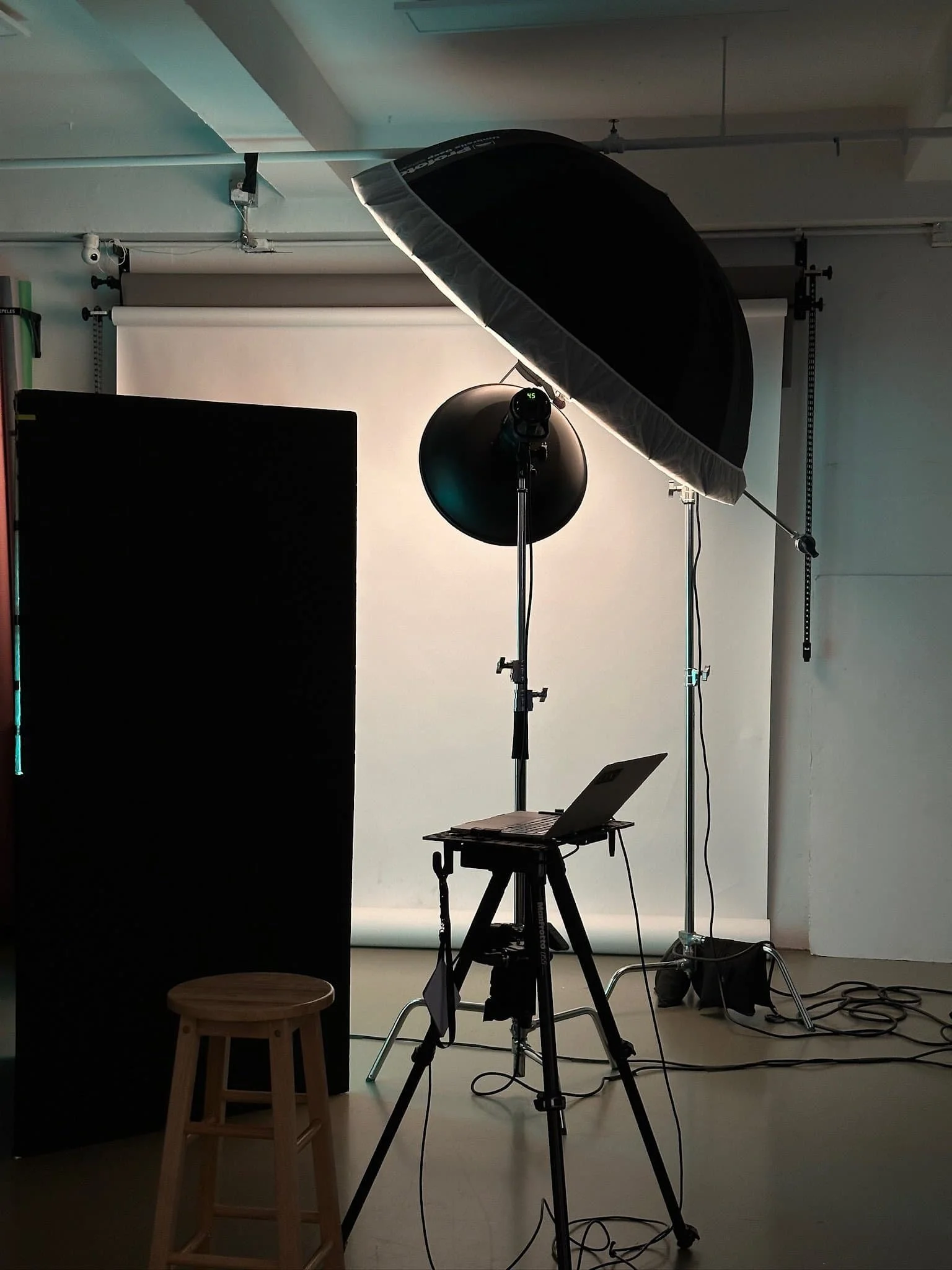
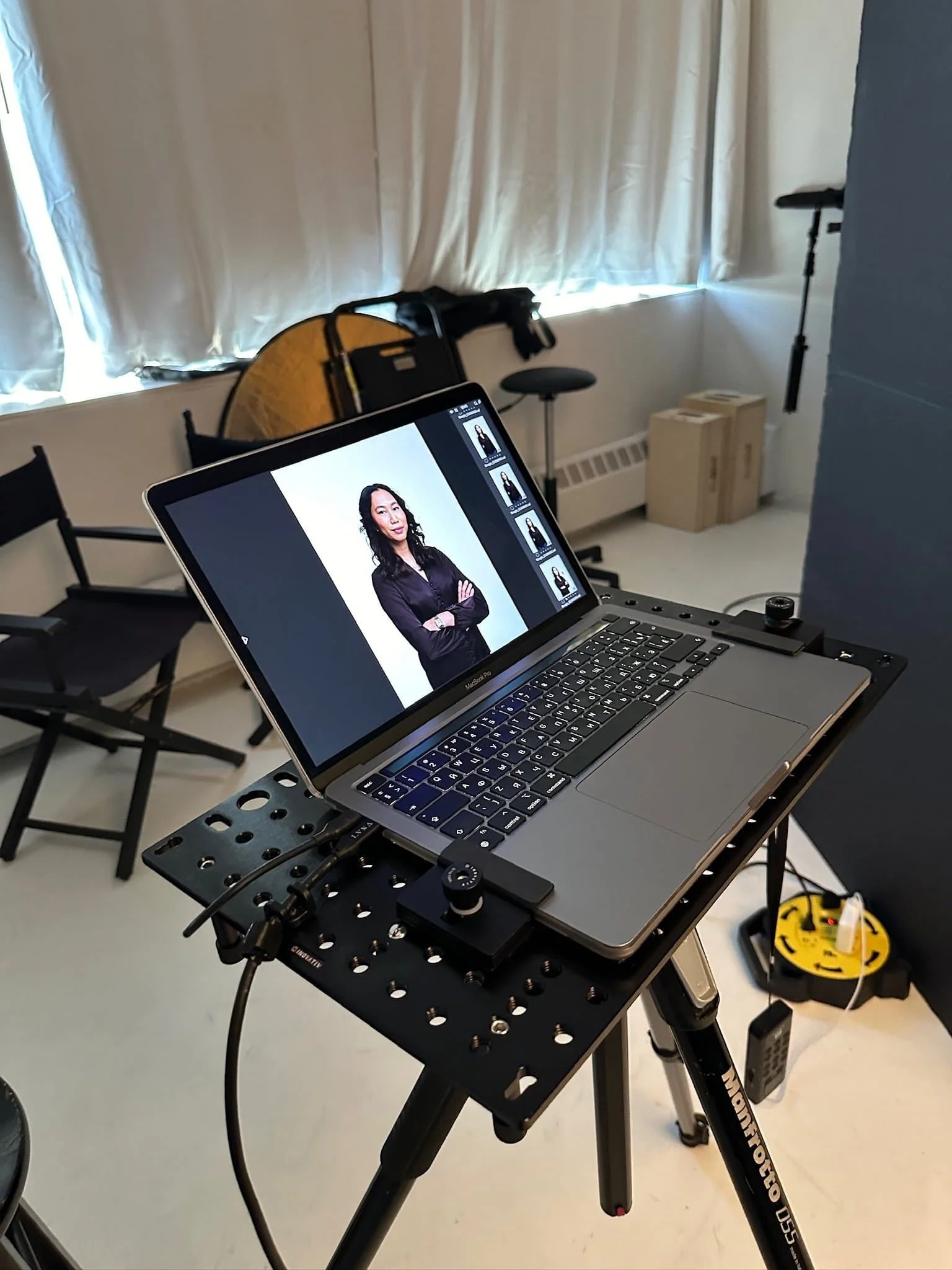
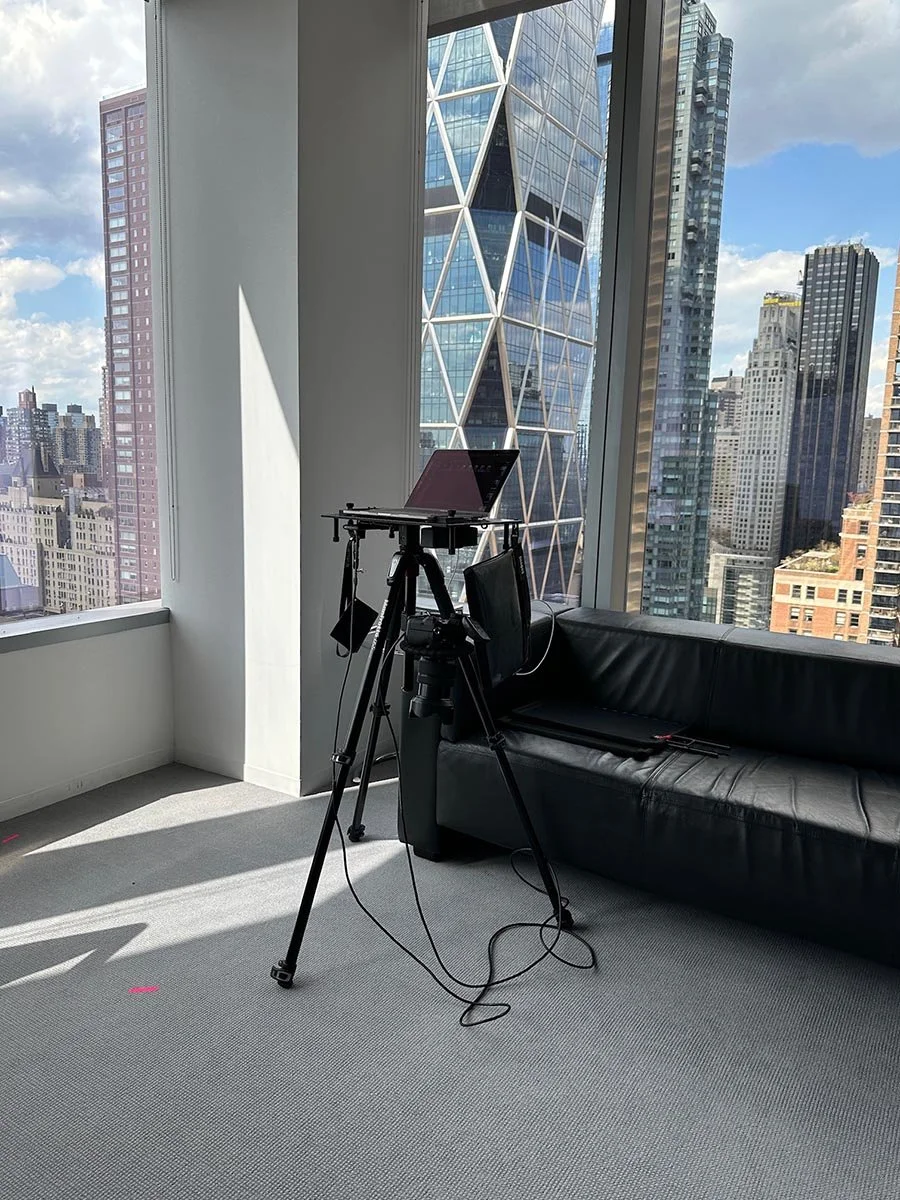
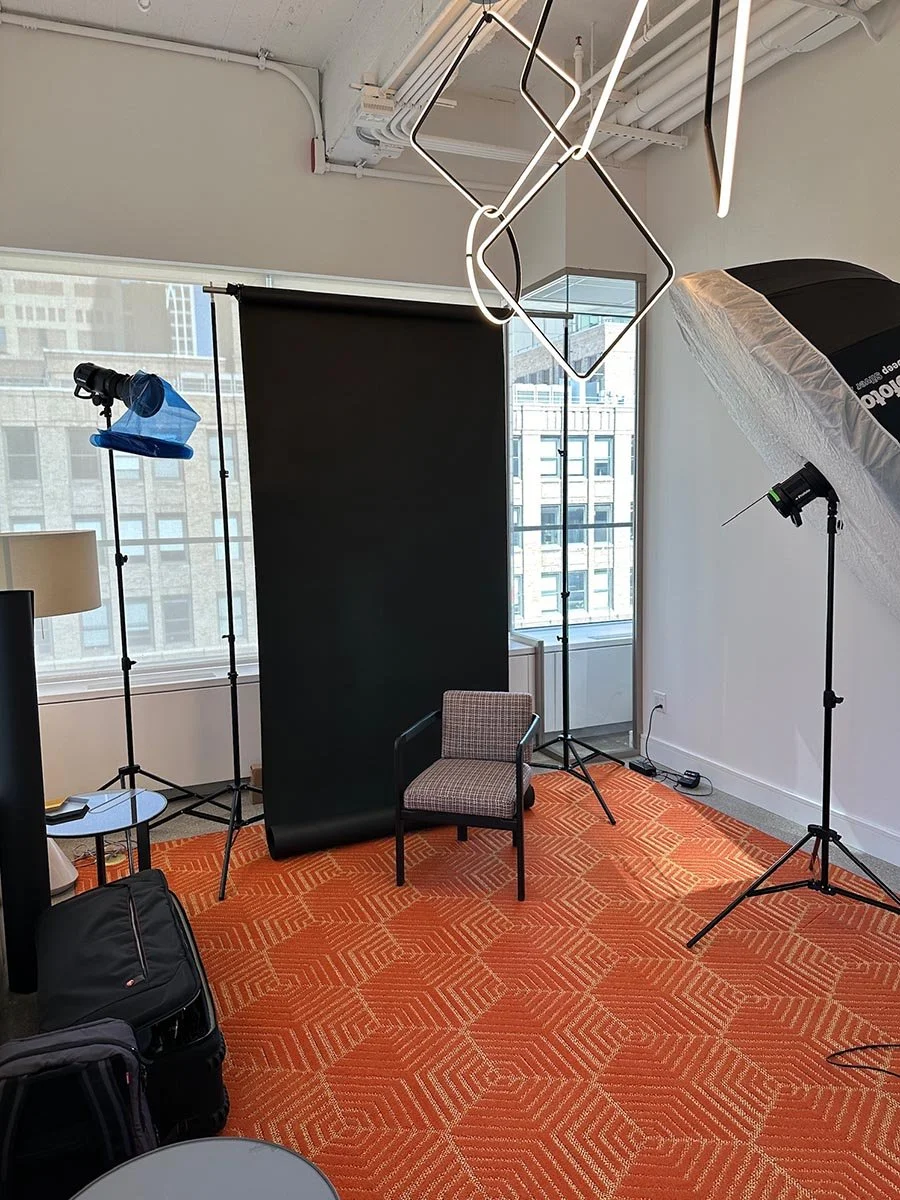
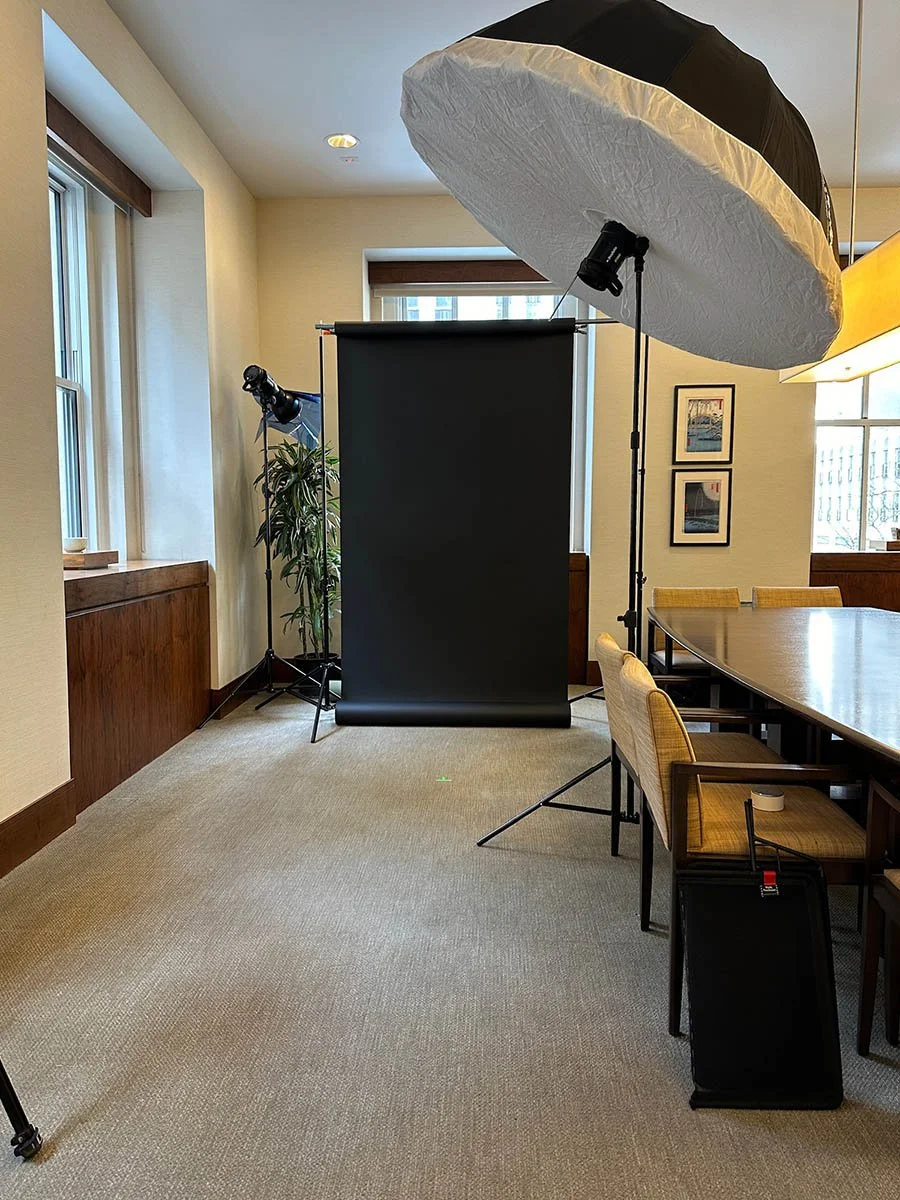
On-location headshots bring the professional photographer, lighting equipment, backdrops, and coordination directly to your office. The result is a mobile studio setup that achieves studio-quality results without requiring employees to travel.

On-site team photography maintains brand consistency across departments while minimizing disruption to the workday. For companies with 50 to 200+ employees at a single location, on-location sessions are often the most efficient format. Efficient sessions average about 5–6 minutes per person when well-organized, meaning a corporate headshot photographer can move through large groups efficiently with a structured workflow; these vendors typically work from a planned schedule that still allows for small day-of adjustments. This format preserves the quality relationship to studio programs while solving the logistics problem-a natural bridge into enterprise-scale thinking.

Planning Enterprise Headshot Rollouts

Moving from understanding program types to executing them introduces real operational complexity. Whether you're coordinating a 30-person headshot photoshoot or a 500-person enterprise program, planning determines whether final images arrive on time, on brand, and on budget.

Team Size and Scheduling Considerations

For teams of 20–50 employees, a single-day on-site or studio session typically works. Block scheduling by department keeps things orderly. For companies with 100+ employees, you'll likely need multiple shoot days, simultaneous sessions across locations, or hybrid models combining on-location and remote formats.

Schedule headshot sessions at least 1–2 weeks in advance to allow for internal communication, wardrobe preparation, and calendar coordination. Aim for 30 minutes per individual headshot session when factoring in arrival, setup, the actual shoot, and transition. Best practice: schedule executives first, as delays in leadership availability often cascade through the entire timeline. Build buffer time for no-shows, reshoots, and last-minute additions.

For large-volume programs, vendors with dedicated project managers and scheduling portals significantly reduce administrative burden on HR. A business portrait photographer experienced in enterprise work will typically coordinate department blocks, send automated reminders, and manage day-of flow with on-site coordinators.

Brand Consistency Standards

Brand consistency isn't about making everyone look identical-it's about visual coherence. Your headshot session guidelines should address:

  • Backgrounds: Use neutral backdrops for conservative industries like law and finance. Solid neutrals (white, grey, warm tones) work across skin tones and hair colors. Softly blurred office environments can work if style-matched across individuals.

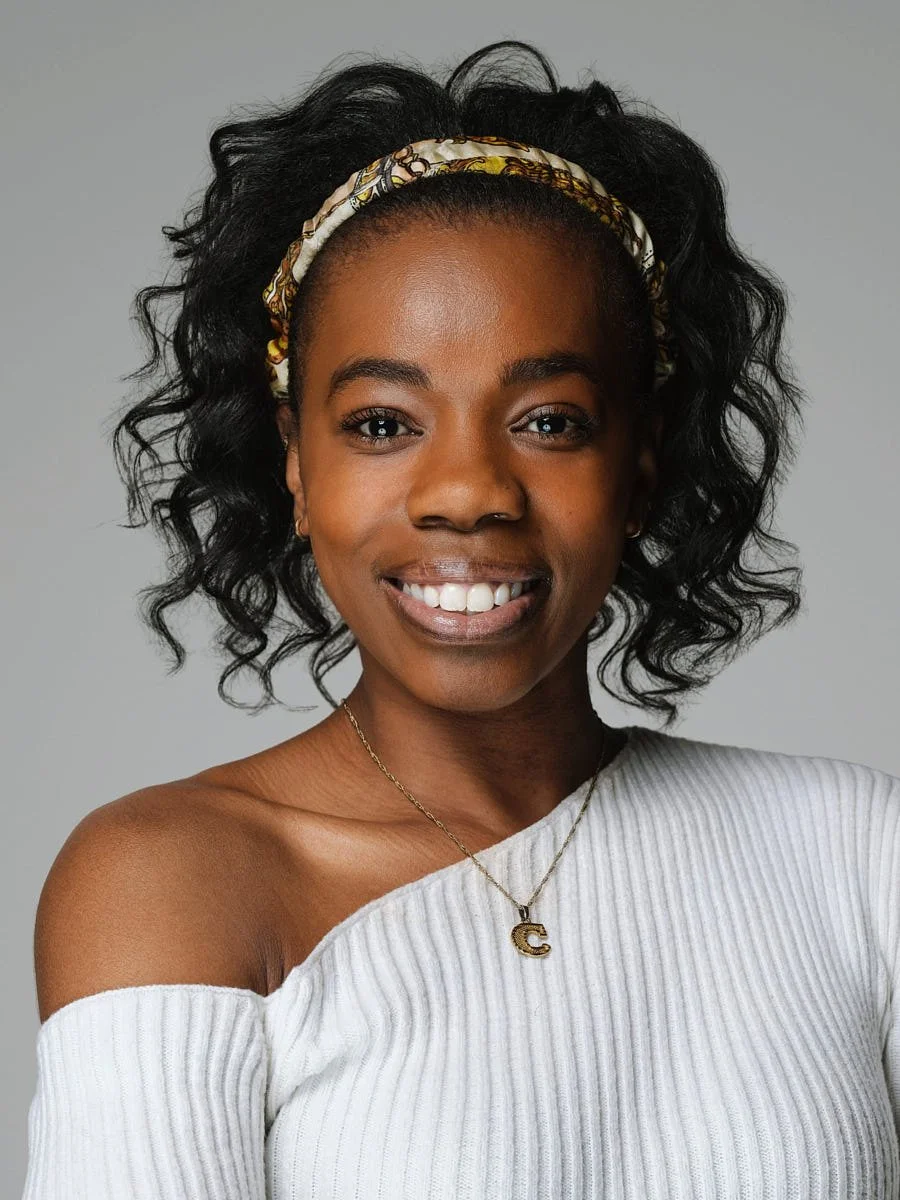
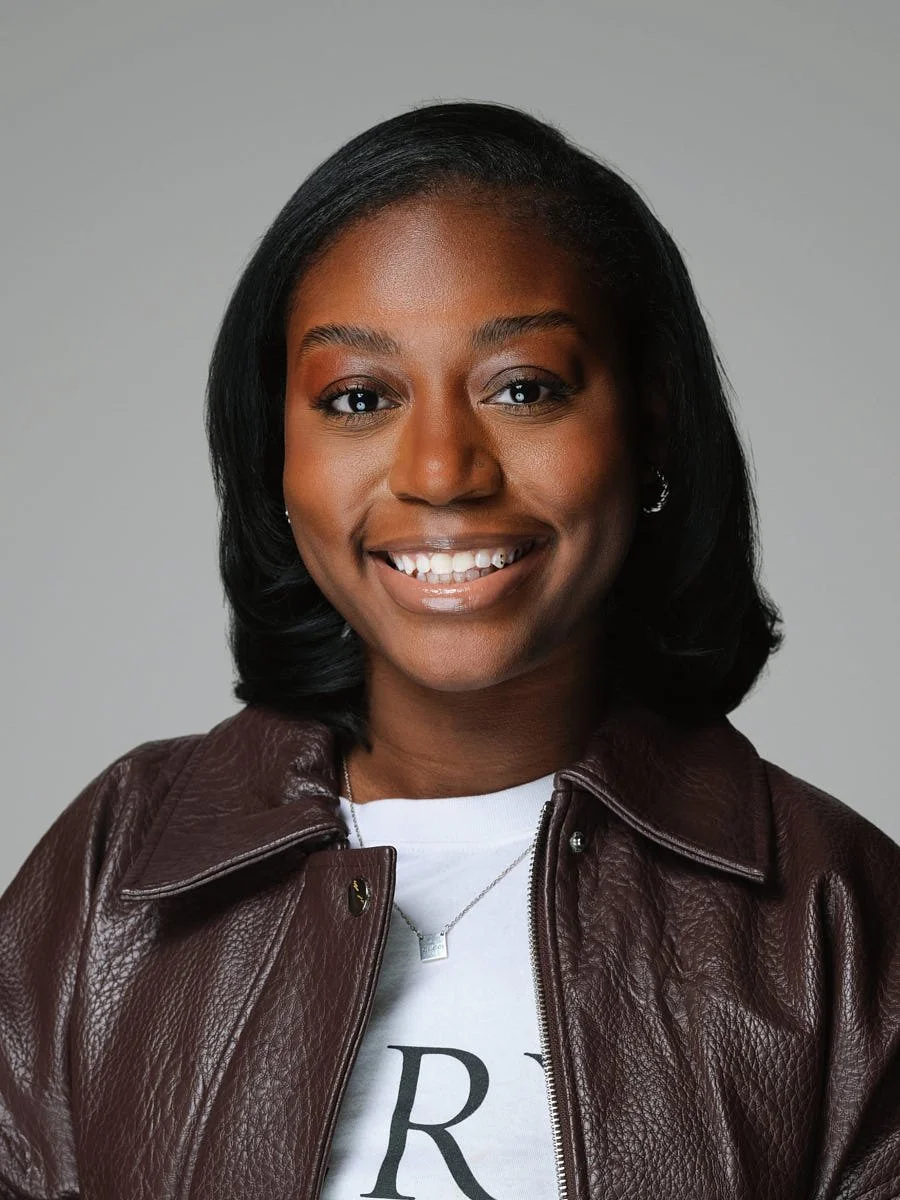
  • Cropping and framing: Standardize from mid-chest to just above the head, eyes at the upper third. Professional corporate headshots should focus clearly on the face, projecting confidence. Use consistent aspect ratios (4:5 or square) across all finished images.

  • Lighting: Soft diffused lighting helps prevent harsh shadows on the face in headshots. Maintain the same lighting ratios across individuals for consistent results.

  • Camera settings: A telephoto lens is recommended to avoid distortion in headshot photography. Using a tripod ensures sharpness and maintains a consistent look in images. A higher aperture ensures the entire face is in sharp focus during headshots.

  • Posing: Angling the body at 45 degrees to the camera creates a slimming profile and adds depth. Keep expressions aligned with brand voice-friendly, authoritative, or approachable, and for senior leaders who publish often, consider a more authoritative look that supports thought leader positioning.

  • Wardrobe: Wear pressed and clean clothes for headshots. Avoid baggy or bulky fitting clothing for headshots. Encourage solid colors aligned with brand palette, minimal patterns, and non-reflective accessories.

  • Retouching: Natural retouching that evens skin tone and removes minor blemishes-never reshaping or altering identity. Apply the same retouch standards across every person.

These standards should be documented in a one-page style guide distributed to all participants before their session.

Corporate Headshots Cost, Budget and Timeline Planning

Corporate headshots cost varies significantly by format, market, and team size. Here are current U.S. benchmarks:

Per-person pricing by team size (2026 U.S. averages):

  • 1–4 employees: $200–$450 per person

  • 5–10: $200–$300

  • 11–25: $150–$225

  • 26–50: $100–$175

  • 51–100: $75–$150

  • 100+: $45–$130

Professional headshots can cost between $89 and $1,500 depending on market, format, and inclusions. Corporate headshots can cost between $89 and $1,500 as well, with the range reflecting the difference between basic individual sessions and premium executive packages. Team packages for corporate headshots start at $1,449, while enterprise programs for corporate headshots can start at $6,900 for groups of 50 people.

Hidden costs to budget for: Travel and setup fees ($150–$500+), makeup and hair styling ($50–$200 per person), additional retouched images ($25–$100 each), wardrobe changes ($75–$150), and rush delivery fees ($100–$300+).

Typical overall program cost for a 50-person corporate headshot package runs $6,000–$15,000. For 100–250 people, expect $15,000–$40,000+ when accounting for multi-location logistics and multi-day support. Turnaround time for final images is typically 5–10 business days standard, with 24–48 hour rush options available for executives and urgent press needs.

Volume discount thresholds typically kick in around 10, 25, 50, 100, 250, and 500 employees, where the per-person cost drops significantly as scale increases.

Implementation and Production Management

With planning complete, execution requires selecting the right vendor and matching session format to your company's size, location structure, and brand requirements.

Vendor Selection and Project Management

For most HR teams, corporate headshot photography at scale requires an external vendor and a qualified corporate photographer with enterprise production experience, not just any photographer. A professional photographer who handles individual portraits may not have the capacity for 200-person rollouts. Here's what to evaluate:

  1. Assess production capacity: Can the vendor handle your team size within your timeline? Some corporate headshot photographers can photograph up to 500 people per day with dedicated coordinators, while local photographers may cap at 20–30. Capacity is also part of what makes someone the best photographer for your program, but only when it is backed by consistency and enterprise references.

  2. Evaluate consistency track record: Review portfolio galleries showing standardized results across diverse individuals-different skin tones, body types, ages. Ask for case studies or reference clients.

  3. Confirm scheduling flexibility: Look for vendors offering scheduling portals, employee self-booking, automated reminders, and buffer management. Vendors with on-site coordinators reduce HR's day-of workload.

  4. Review usage rights and deliverables: Confirm the number of retouched photos per person, file resolution, cropping orientations, and whether unlimited business usage rights are included. Some vendors restrict usage to web-only or charge separately for print and marketing materials.

Executive portraits are tailored for CEOs and company executives, requiring a dedicated executive headshot photographer who can deliver premium results for leadership pages, investor materials, and press kits. The right image can also support an executive, founder, or spokesperson who appears publicly as a thought leader. LinkedIn headshot sessions start at $179 for professionals building their personal brand through a polished LinkedIn photo.

Session Formats Comparison

```
Criterion Studio On-Location Remote Live-Directed AI / Synthetic
Cost per person $150–$600+
Premium markets higher
$80–$200
At volume
$50–$150 $20–$60
Scheduling flexibility Limited by studio hours and travel High — fits into the workday Highest — any location, any time Highest — async submission
Brand consistency Excellent — full environment control Very good with proper setup Moderate — depends on guidance Uniform style, but risk of artificial look
Employee convenience Low — requires travel High — no travel Very high Very high
Best for Executive photography, small teams Central offices, 50–200+ people Remote and distributed teams Frequent refreshes and very large distributed teams

For companies with 20–50 employees at a central location, studio or single-day on-location sessions deliver the best balance of quality and logistics. For 100–500+ employees across multiple offices, consider hybrid models: studio for leadership, on-site for office-based staff, and remote for distributed team members.

A high-quality headshot is a crucial marketing tool to stand out from competitors. High-quality headshots can influence trust and rapport before meetings occur, making the format decision about more than just convenience-it directly impacts how your business professionals present to clients, investors, and candidates. A professional headshot influences how others perceive you, which is why good professional headshots deserve the same strategic attention as other brand investments. The right format should do just that.

Beyond headshots, many companies also use their corporate event photographer relationship for trade shows, conferences, and group shots at company events-consolidating vendor relationships across visual content needs.

Common Challenges and Solutions

Even well-planned headshot programs encounter friction. Here are the most frequent problems HR and People Ops teams face, with practical solutions.

Scheduling Conflicts and Executive Availability

Executive calendars are unpredictable, and delays at the leadership level cascade through entire shoot schedules. Solution: Book executive portrait sessions first with multiple time slot options. Offer same day makeup touch-up sessions for executives who arrive between meetings. Build 15–20% buffer time into the overall schedule for no-shows and reshoots. Vendors with flexible photographer scheduling and priority booking systems prevent the entire photo shoot from stalling.

Maintaining Visual Consistency and LinkedIn Headshots Across Departments

When different departments get photographed on different days-or worse, by other photographers-the final images can look like they belong to different companies. Solution: Use a single vendor for the entire program whenever possible. Distribute your style guide (background, lighting, crop, retouching standards) before any shoot begins. Maintain a reference photo system-3–5 approved sample images that every photographer and retoucher references. On-site team photography with standardized setups ensures office headshots match across all departments.

After recognizing that headshots across their website were wildly inconsistent, the company introduced brand guidelines, re-photographed staff with unified standards, and saw measurable improvement in both external perception of professionalism and internal stakeholder satisfaction.

Budget Approval and Cost Management

Non-photography stakeholders often see only the sticker price without understanding the ROI. Solution: Frame corporate headshots as brand infrastructure, not a photography expense. Document the impact on external perception, recruiting effectiveness, and professional image consistency. Use volume pricing negotiations and phased rollout options to spread costs. For example, photograph leadership and client-facing teams in phase one, then roll out to remaining departments in phase two. Always request vendor proposals that itemize all extras-travel, retouching, licensing, rush fees-to prevent budget surprises.

Conclusion and Next Steps

Corporate headshots are HR infrastructure, not a photography project. They shape how your company is perceived by potential clients, candidates, investors, and partners. When planned with clear brand standards, realistic budgets, and the right production partner, a headshot program delivers consistent professional portraits that serve your organization for years.

To get started:

  1. Audit your current headshot inventory-collect samples from all departments and identify inconsistencies in background, crop, lighting, and expression

  2. Define brand consistency requirements-document background colors, retouching standards, wardrobe guidelines, and cropping specifications in a one-page style guide

  3. Estimate team size and timeline-determine how many people need new headshots, prioritize leadership, and set realistic scheduling windows

  4. Research enterprise-capable vendors-request proposals that include per-person pricing, volume discounts, usage rights, turnaround time, and all ancillary costs

For related needs, explore executive portraits for leadership teams and ongoing headshot update programs that keep your visual identity current as your team grows. Companies with frequent turnover or regular rebranding cycles benefit from establishing a vendor relationship with recurring session scheduling-ensuring every new hire gets the same caliber of business photo as the rest of the team.

Next
Next

AI Headshots vs Real Photography: What Actually Works For Your Team