AI Headshots vs Real Photography: What Actually Works For Your Team
AI generators and real photography create different kinds of files. The practical question for HR leads and executives is which method fits leadership, team, and individual profiles. This article compares likeness, consistency, privacy questions, direction, and current real-photography workflows.
Key Takeaways
AI-generator price, processing time, input requirements, and output volume vary by vendor and plan. Review current terms and test the likeness before using an image publicly.
For corporate headshots, executive portraits, regulated fields, and enterprise teams, real photography gives the organization direct control over likeness, lighting, crop, and team consistency.
Match Production does not offer AI-generated portraits. We provide studio sessions at our Midtown location, on-location office shoots across Manhattan and the boroughs, and photographer-directed remote sessions. Session length follows the selected package or company scope.
Compare the full workflow: vendor terms, employee approvals, image review, reruns, privacy requirements, and whether the final set meets the company standard.
This article gives you concrete decision frameworks: when AI is acceptable, when it creates risk, and what a modern real photography workflow looks like for busy companies.
AI Headshots vs Real Photography: The Quick Verdict
AI may suit temporary or exploratory uses. Real photography provides direct control over current appearance, expression, lighting, crop, and repeatability for public-facing or team uses.
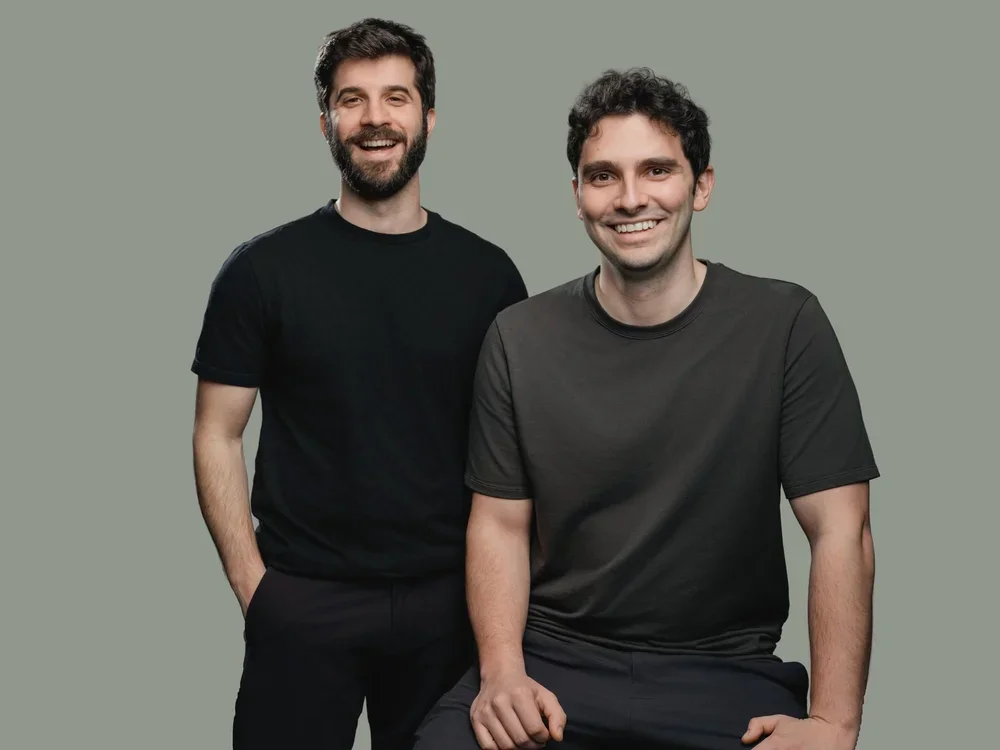
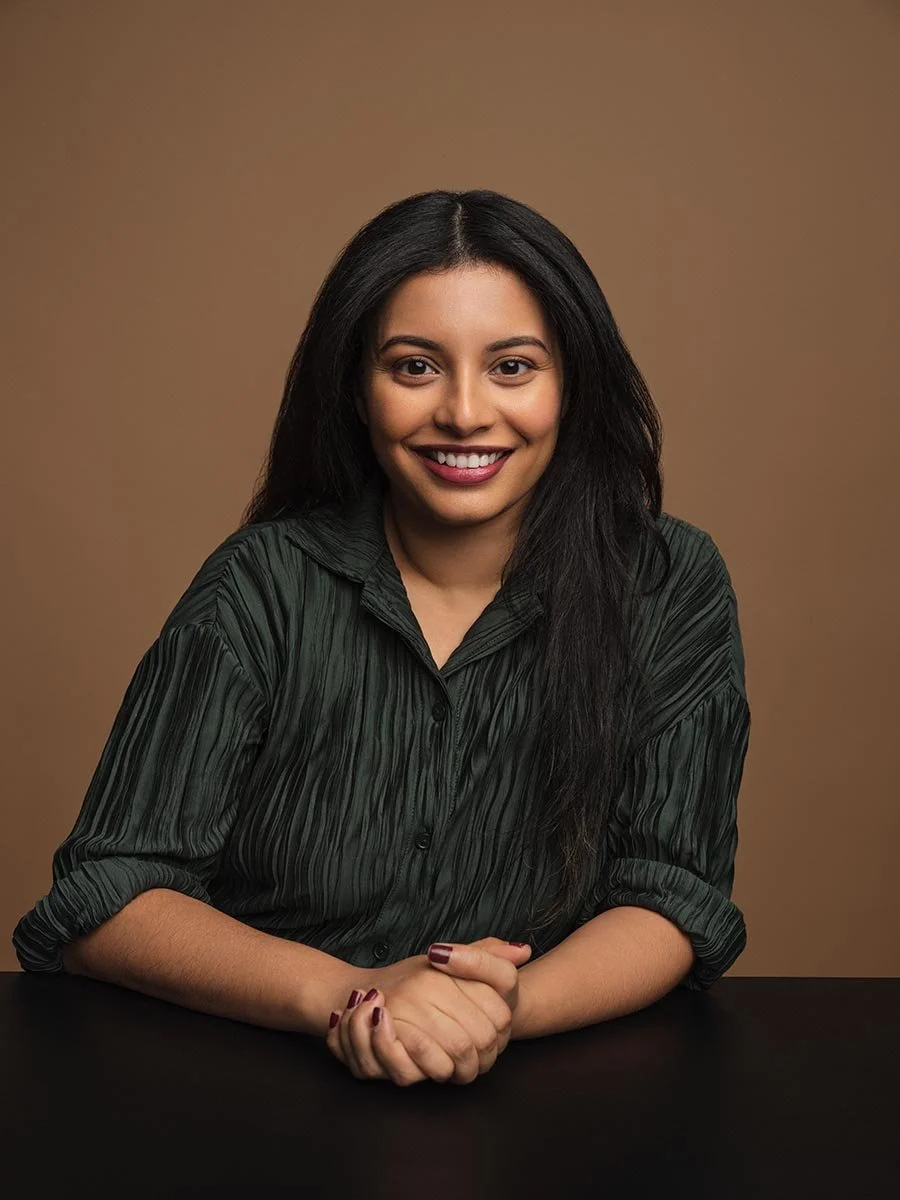
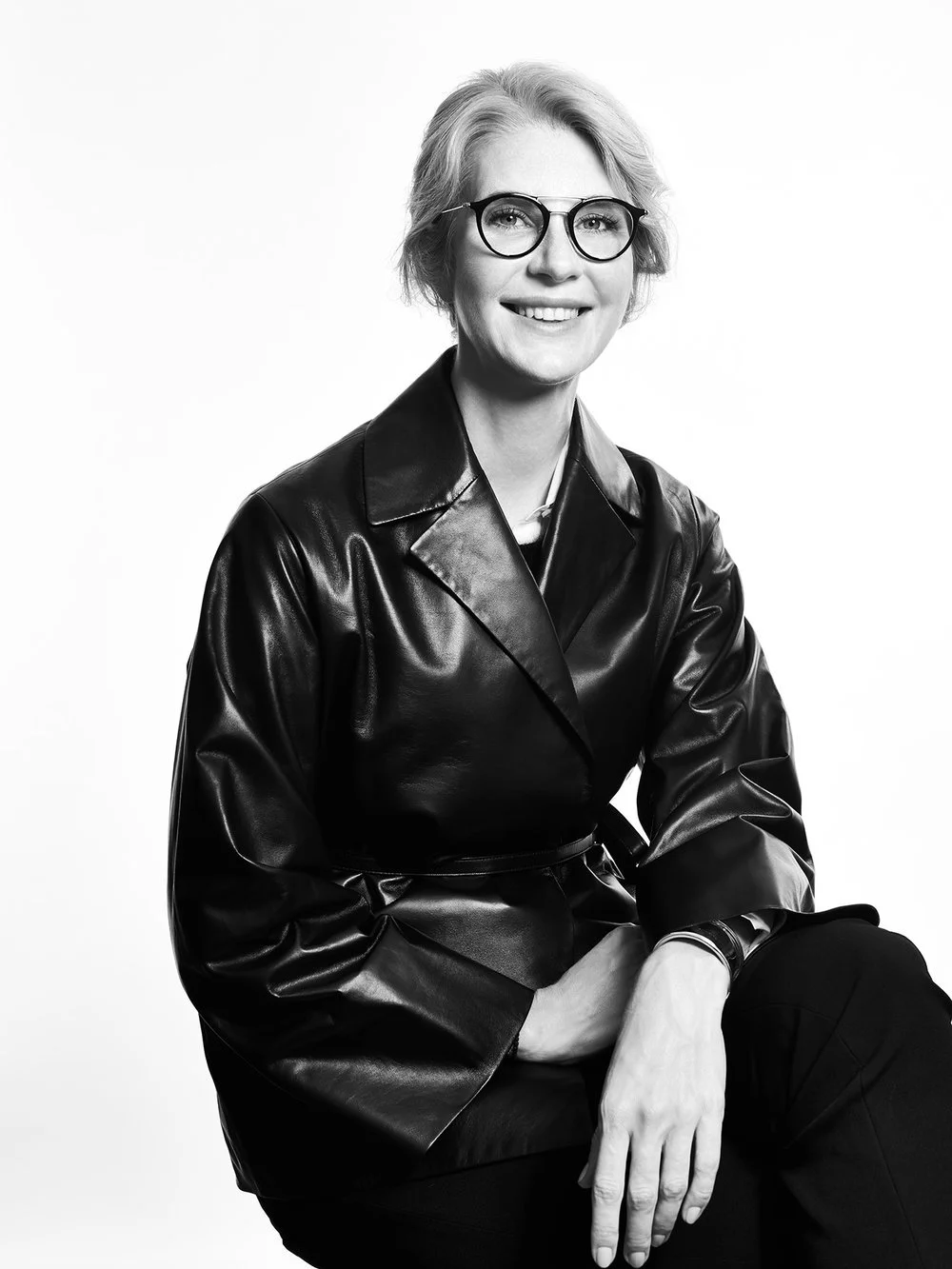
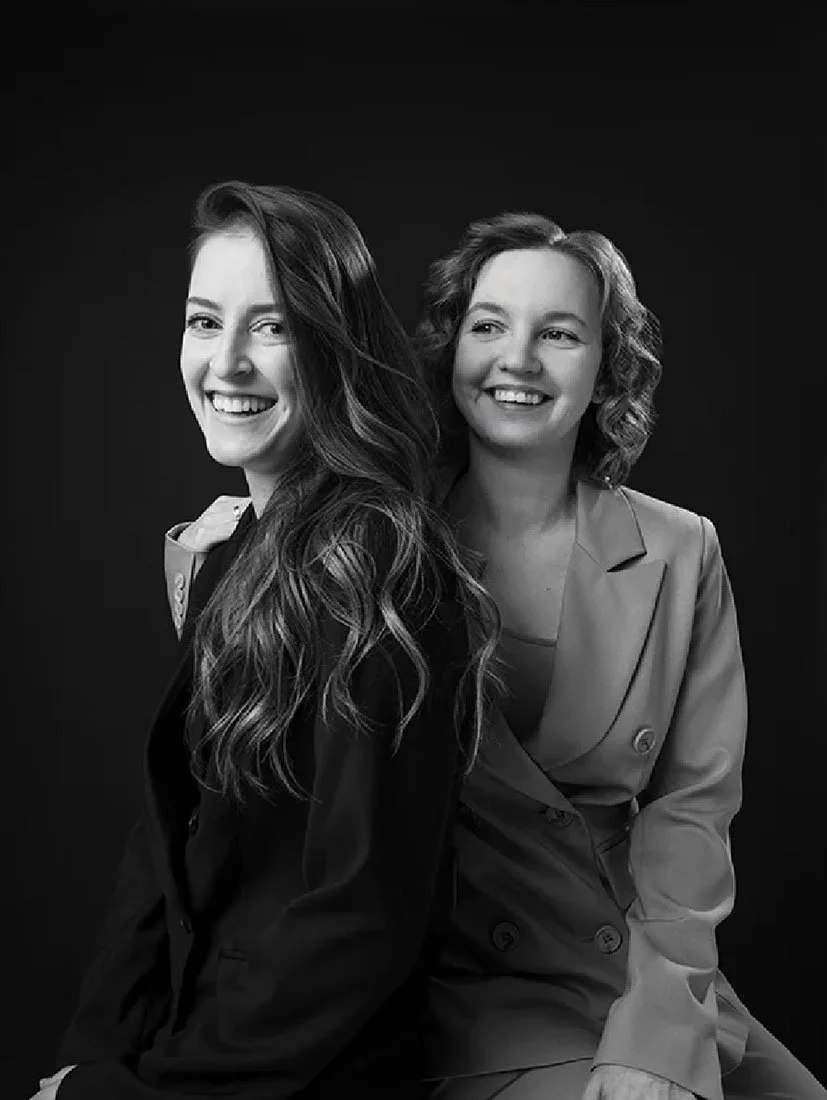
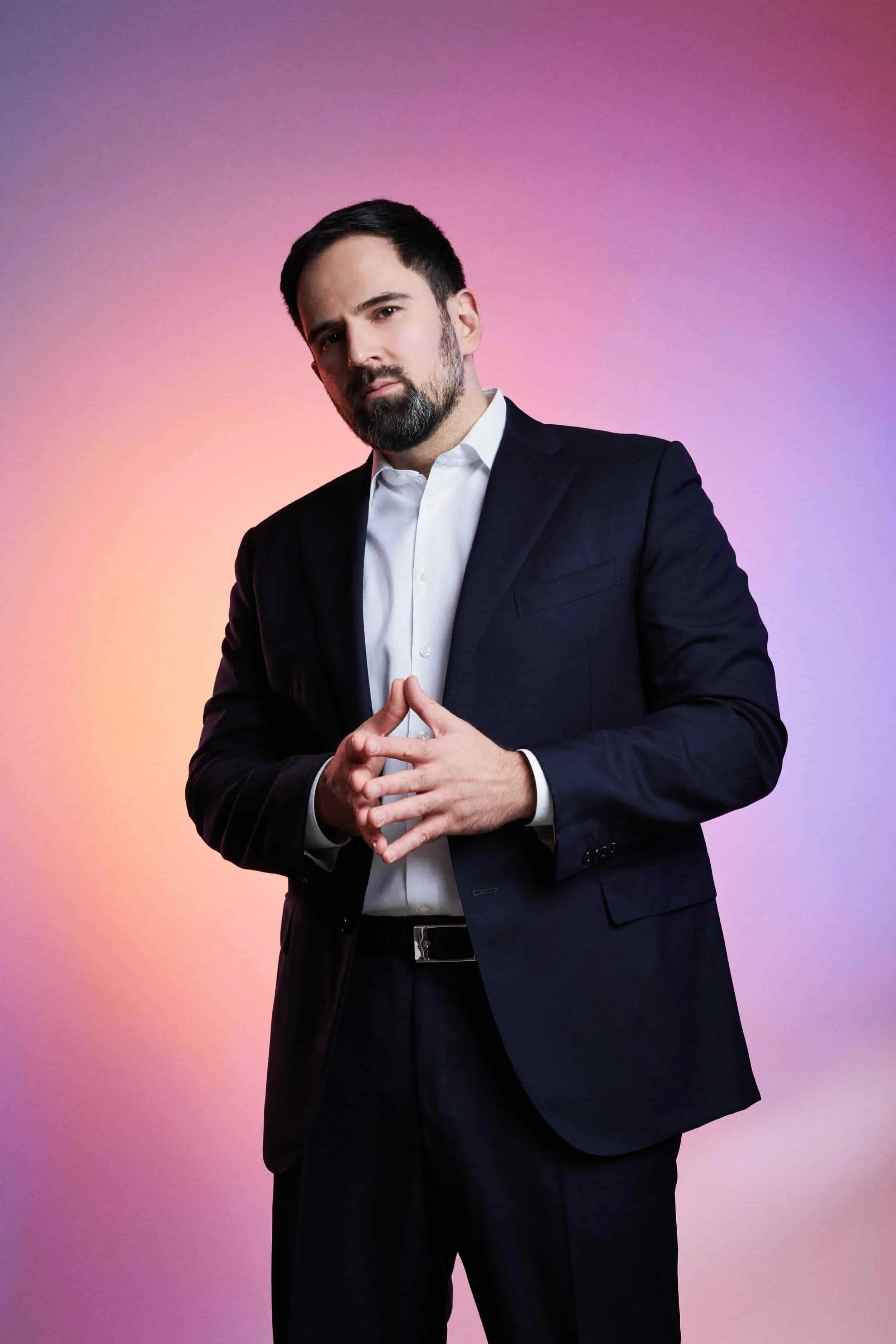
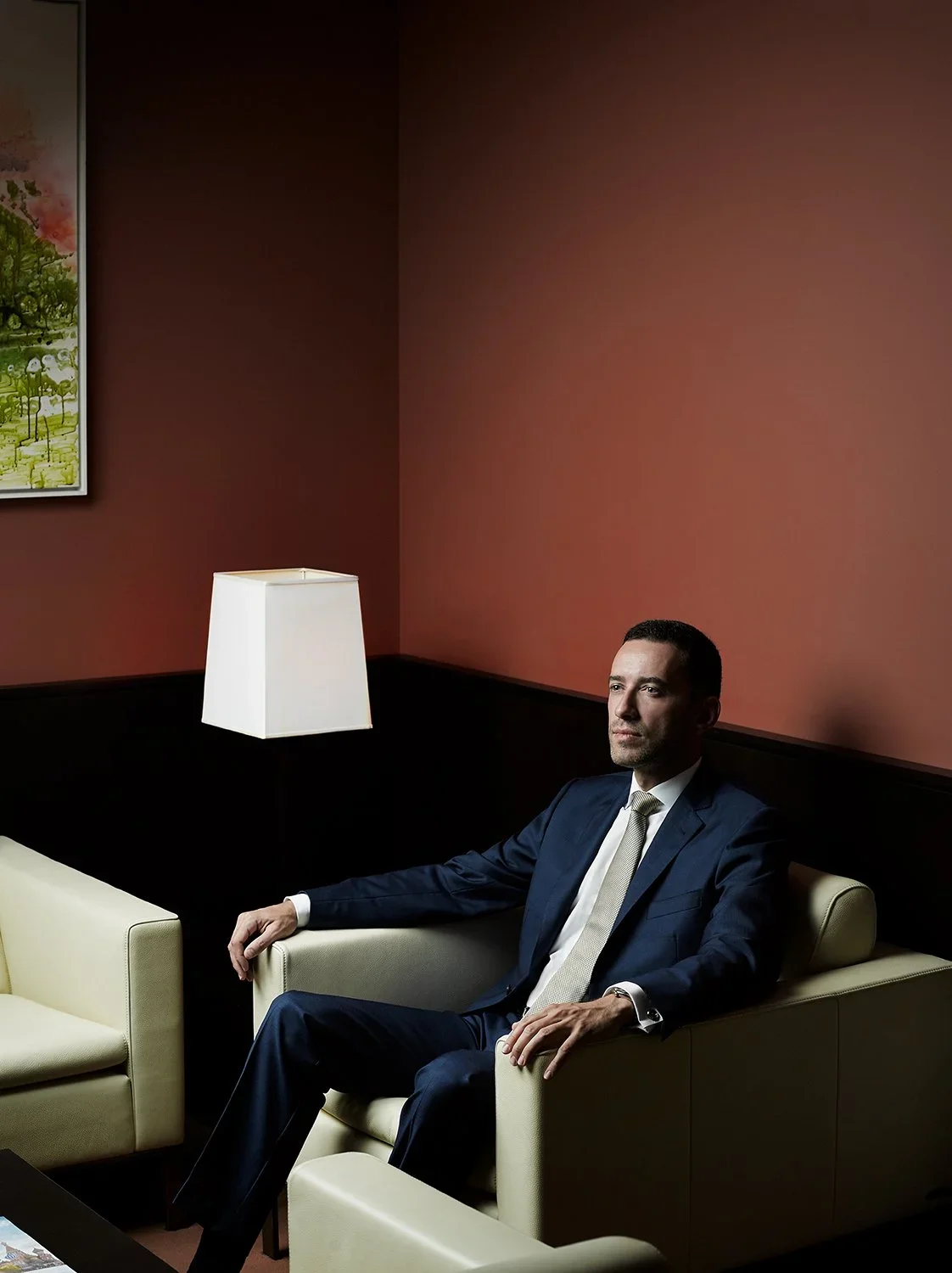
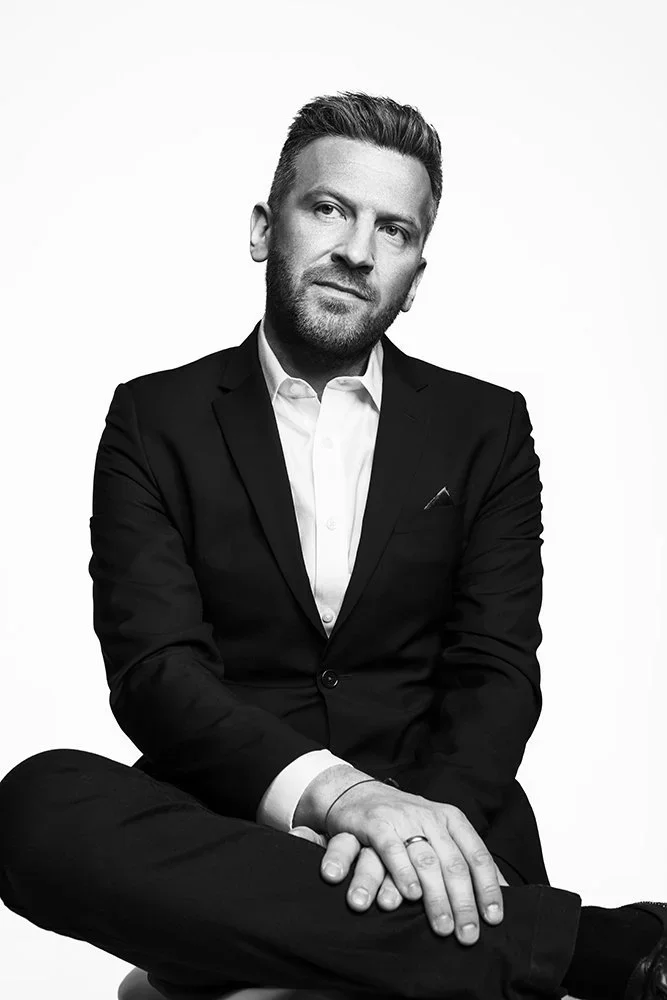
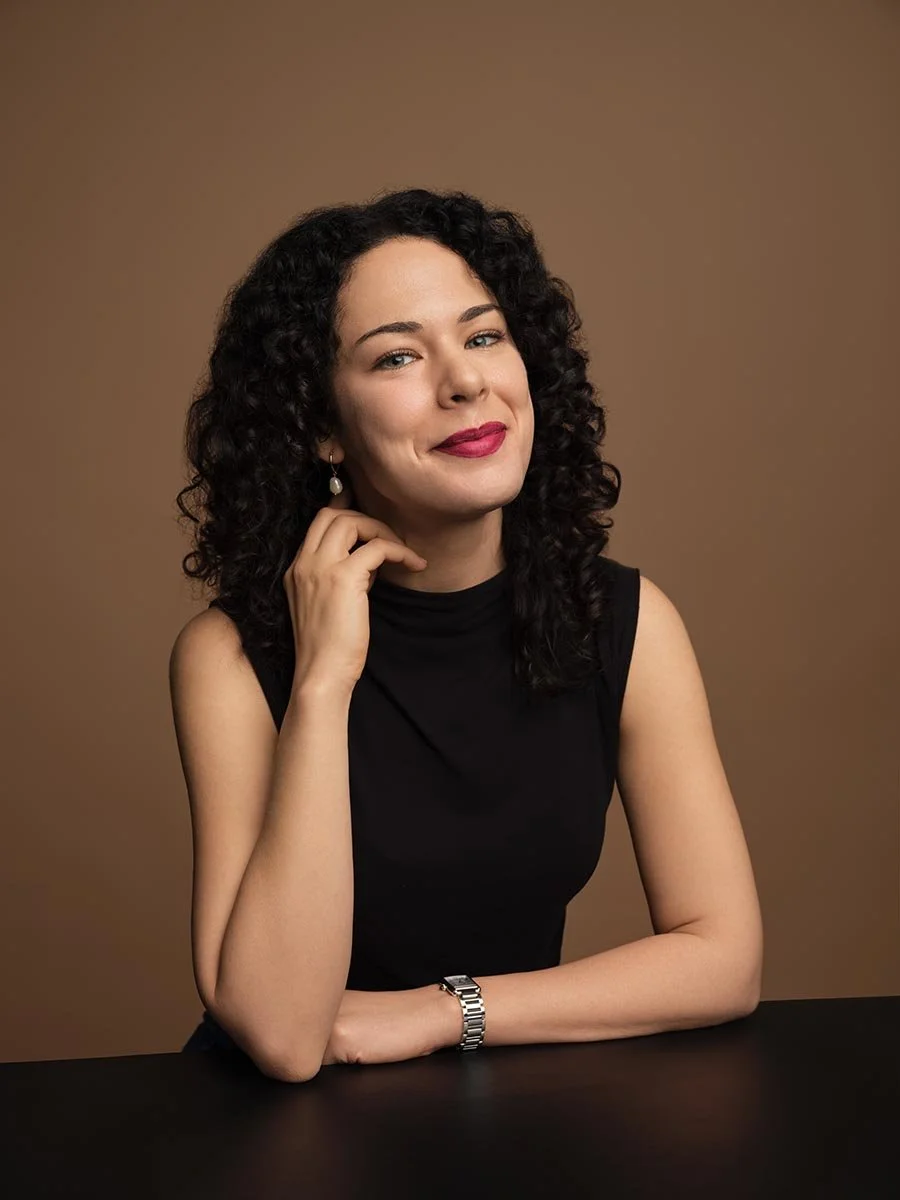
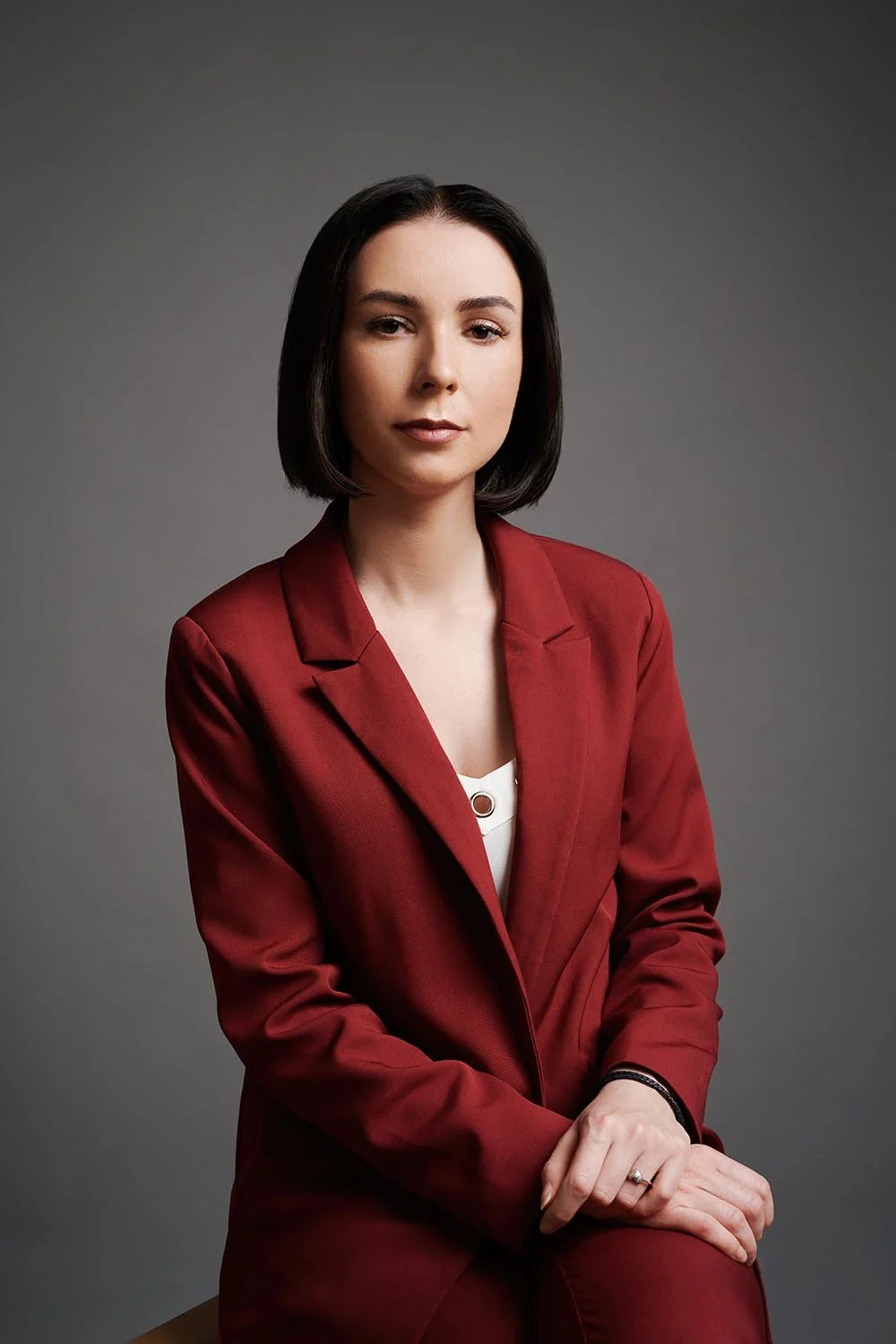
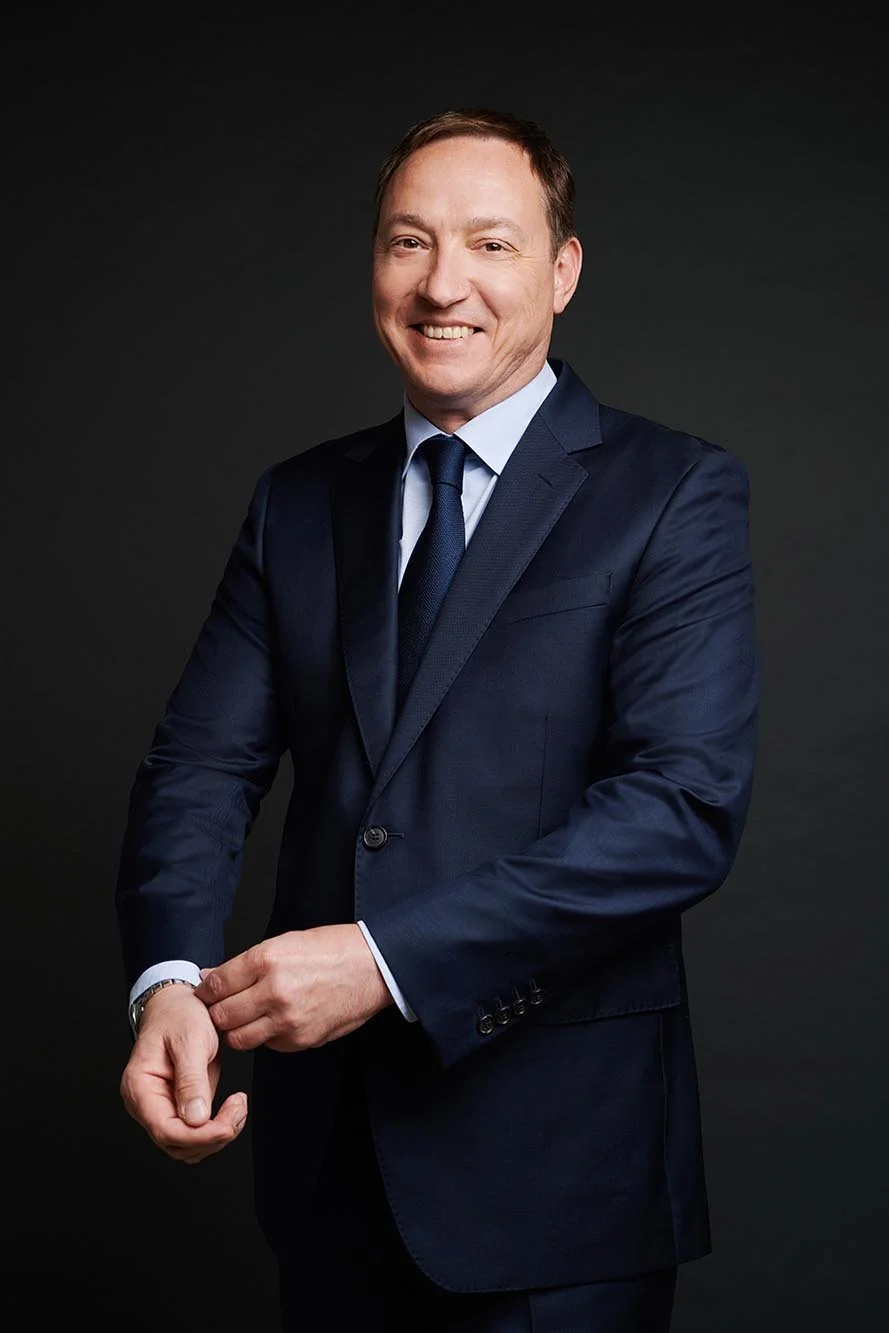
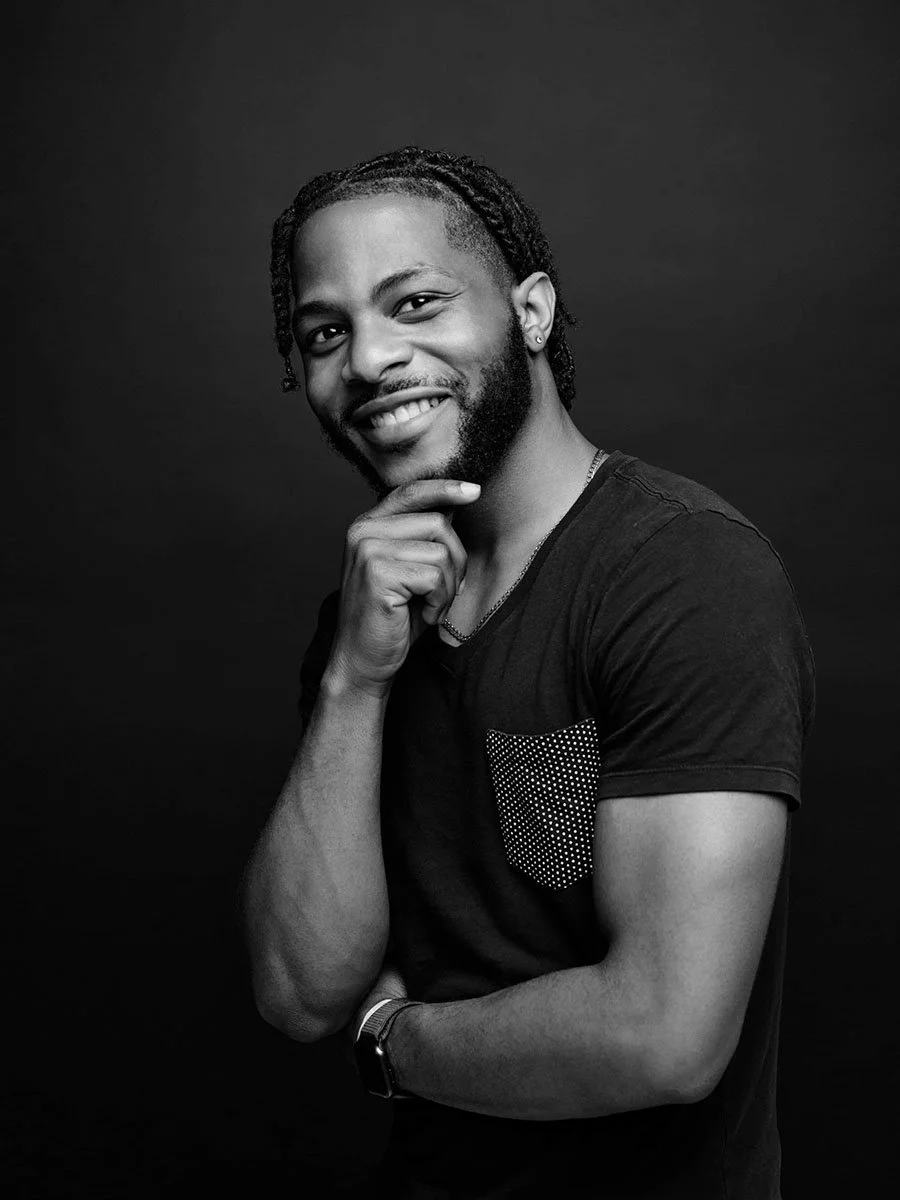
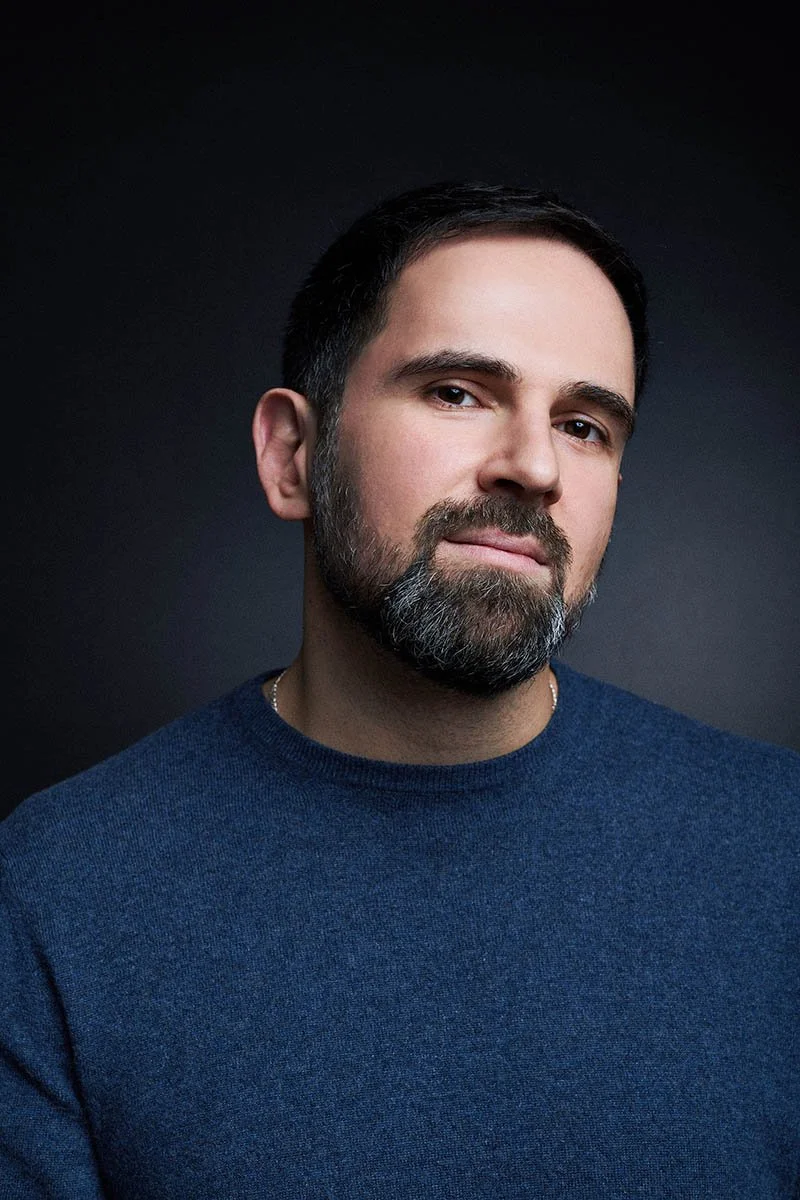
An AI upload flow creates synthetic images from source photographs; its price, output count, and processing time depend on the vendor. A Midtown studio, on-location, or photographer-directed remote session creates photographs of the person with live expression and framing direction.
When AI can be acceptable:
Solo consultant testing a new LinkedIn look before investing
Early-stage founder on a tight budget needing a temporary placeholder
Internal deck with no external visibility
When AI is a red flag:
Law, finance, healthcare, or any regulated industry
Fortune 500 leadership pages
ERAS applications
Firm-wide team pages
Press releases and investor materials
For public-facing and regulated uses, check that the chosen image meets the organization’s likeness, approval, privacy, and file requirements.
Real photographs can be directed to match the person’s current appearance and intended use. Generated images should be checked for facial, hair, glasses, clothing, and background changes. Match Production offers Midtown studio sessions, on-location office headshots, and photographer-directed remote headshots for distributed teams.
How AI Headshots Actually Work In 2026
You upload the photographs required by the chosen platform. The tool uses those inputs to generate new images styled as portraits. These are synthetic outputs rather than photographs taken of you in that moment.
The vendor determines the input count, processing time, output volume, resolution, styles, privacy terms, and price. Review those current terms before uploading employee images.
Generated images can change details from the source photographs. Review hairlines, jawlines, teeth, skin tone, facial proportions, clothing, and background before approving an output. Common artifacts to inspect include:
Overly smoothed skin texture with no visible pores
Ambiguous eye lines and flat eyes
Odd ear shapes
Inconsistent jewelry
Backgrounds that bend or melt around shoulders
AI tools can be useful, but their outputs and policies vary. Teams should define likeness, consistency, approval, privacy, and file requirements before choosing a method.
Where AI Headshots Fall Short For Serious Professional Use
AI headshots are improving. But the gap that matters is not resolution. It is trust, accuracy, and how the image behaves once it sits next to real faces on a team page.
Authenticity and the “soulless” effect: Review the output for over-symmetry, flat eyes, missing expression detail, and overly smooth skin. Compare it with recent photographs and the person’s current appearance rather than relying on a vendor’s realism claim.
The Zoom and elevator test: Compare the generated headshot with how the person appears in meetings and video calls. Reject outputs that materially change face shape, skin tone, or bone structure.
Bias and representation: Generated outputs can alter skin tone, facial features, or hair texture. Test sample outputs across the intended participants and reject images that do not preserve each person’s current appearance.
Privacy and governance: Organizations should review vendor privacy, retention, deletion, consent, and permitted-use terms before uploading employee photographs, and follow their own legal and security requirements.
Capturing Personality and Essence: Can AI Really See You?
A great headshot is more than just a technically sharp image. It’s about capturing personality and essence in a way that feels authentic and memorable. While ai headshots and ai generated headshots can deliver polished, professional-looking images, they often miss the subtle cues that make a person truly recognizable. AI models generate images based on patterns and data, but they cannot interpret the unique energy, expression, or presence of the person in front of the camera.
A skilled professional photographer brings creative direction, real-time feedback, and an understanding of how to use lighting and environment to highlight your best features. During a professional photography session, the photographer can encourage genuine moments (whether it’s a natural smile, a thoughtful glance, or a confident posture) that ai generated images simply can’t replicate. This human touch is what allows the real you to shine through, making your headshot not just a picture, but a true representation of your professional identity. For most professionals, this difference is what sets real headshots apart from even the most advanced ai generated alternatives.
When AI Headshots Are “Good Enough”
AI headshots exist because not every use case justifies a professional production. That is fine if everyone is clear about the trade off.
Scenarios where AI can be a pragmatic stopgap:
A solo professional testing a new LinkedIn profile look before investing in a session
A student building a short-term portfolio
A very early-stage startup needing a temporary team slide for an internal deck
These are typically low-stakes, low-visibility, and low-regulation environments where a mild mismatch between photo and reality will not seriously harm trust or compliance.
Where AI should be avoided:
Press releases
Investor materials
Hospital or law firm directories
Enterprise org charts
ERAS submissions
Public-facing leadership pages
Before a team rollout, place sample outputs beside existing team photographs and test likeness, crop, background, and consistency. Approve the method only after that review.
How Real Professional Headshots Work Today
Real headshots in 2026 are not just about a camera and a white wall. They are production processes that manage scheduling, consistency, expression, and delivery across multiple formats.
Our three core formats:
| Format | Best For | Typical Duration |
|---|---|---|
| Studio (Midtown / Times Square) | Executives, founders, individual professionals | 20-60 minutes |
| On-location office | Office teams with scope set by headcount, room, and run of show | Timing follows the approved run of show |
| Live-directed remote | Distributed teams, new hire onboarding | Timing follows the selected remote package or company scope |
The human direction difference: A human photographer coaches posture, expression, and micro-adjustments. “Bring your chin down slightly.” “Soften the eyes.” “Laugh for a second.” These real-time directions capture genuine moments that AI cannot infer because it never sees you move.
Post-production workflow: Color correction across the set, editorial-quality but realistic retouching, crop variations for LinkedIn, press, and ERAS where appropriate, and delivery via private online galleries for easy stakeholder review.
Studio Headshots vs On-Location vs Remote: Real Options Instead of AI
Compare a one-click AI upload with three real-world production options we use every week. Each solves a different business problem.
Studio headshots at 545 8th Ave: Ideal for executives, founders, and individual professionals who can get to Midtown. Controlled lighting, consistent backgrounds, wardrobe changes, and a focused professional session without office distractions. This is where we capture the real you in a controlled environment.
On-location NYC headshots: We build a mobile studio inside the confirmed office space. The quote and run of show define headcount, setup, participant timing, and access requirements.
Remote headshots: Real photographs captured via the subject’s smartphone, with a live Match Production photographer directing pose, angle, and expression. We finish with a digital backdrop that matches in-office styles. This works for your entire team across time zones.
For hybrid and distributed companies, we often combine office shoot days with virtual headshot sessions for remote staff. Everyone lands on the same visual standard without resorting to AI.
The Importance of Authenticity in Team Headshots
When it comes to team headshots, authenticity is everything. AI headshots and ai generated headshots can create a uniform look, but often at the expense of individuality and genuine connection. Real headshots, crafted by a professional photographer, showcase the unique personality and style of each team member, helping to build trust with clients and colleagues alike.
For distributed teams, remote headshots for remote teams can be coordinated so that everyone (from the main office to remote locations) receives the same level of creative direction and quality. A professional photographer knows how to bring out the best features in each person, creating professional looking headshots that reflect both the individual and the team’s collective style. This approach not only elevates the visual identity of your entire team, but also reinforces a sense of authenticity and cohesion that ai generated images simply can’t match. In a world where first impressions matter, authentic team headshots are a powerful tool for building lasting relationships with clients and partners.
Why Real Photography Wins For Teams, Leadership, And Enterprise
As team size grows, differences in likeness, lighting, crop, and background become easier to see across the page.
Consistency problems with AI: AI platforms generate different styles for each person. Team grids end up with some people looking like oil paintings, others like game avatars, and a few like real photos. This undermines brand cohesion.
Trust and recognizability: Clients, investors, and candidates use team pages, leadership bios, and LinkedIn profiles as reality checks. Real photographs maintain the connection from screen to office lobby. Reviewers may notice visible differences in likeness, texture, lighting, or background even when they cannot identify the generating tool.
Compliance and internal policy: Organizations should set an internal policy for generated employee images based on their own legal, privacy, security, and brand requirements.
Long-term value: Compare the complete workflow, including review, approvals, reruns, later hires, and every property that needs the photographs. A real-photo program can preserve an approved reference for later sessions, while actual cost and timing follow the current quote.
What an Enterprise Headshot Rollout Can Include
Here is how we approach enterprise rollouts without inventing clients or testimonials.
Intake and planning: HR or communications shares the confirmed headcount, locations, room access, visual references, required files, selection owner, and deadline.
Logistics: We scope shoot days, the mobile studio footprint, access and setup windows, participant schedule, buffers, and staff preparation guidance. The approved proposal and run of show set participant timing and capacity.
Execution: One or more photographers work through the schedule, directing each person quickly, capturing consistent angles and backgrounds, highlighting their best features, and flagging best frames for selection.
Follow-up: Images move through the color correction and retouching included in the quote. Confirm gallery, naming, folder, and selection requirements before production. A program may also include remote and virtual headshots for global teams for later hires, using the approved lighting, crop, background, and retouching reference.
Privacy Concerns: What You Need to Know About AI Headshots
As ai headshots and ai generated headshots become more popular, privacy concerns are increasingly important to consider. Most ai headshot generators require you to upload personal photos, which are then processed by ai models to create new images. This process often involves storing and analyzing your uploaded photos, raising questions about data governance, security, and long-term use of your likeness.
Unlike a professional photographer who works with you in a controlled environment and handles your images with care, many ai headshot generators operate as third-party platforms with varying privacy policies. Before using any ai generated service, it’s essential to review how your personal photos will be stored, who has access, and whether your data could be used to train future ai models. For any provider, confirm storage, access, retention, deletion, permitted use, and delivery terms before sharing photographs. In professional settings, safeguarding your personal photos is just as important as achieving high-quality results.
Cost, Risk, And ROI: AI Headshots vs Real Photography
Sticker price is only one part of the equation. For teams and executives, the more important costs involve perception, reshoots, and internal politics.
AI economics:
Vendor price and plan terms vary
Little scheduling effort
Generated outputs may require reruns or a different method after review
Real photography economics:
Higher per-person cost upfront
Live control over pose, lighting, crop, and expression
Files can be prepared for the approved LinkedIn, website, pitch, conference, and internal uses
Current individual studio packages start at $449. The managed Corporate 50 option starts at $6,900 for up to 50 people. Use the current pricing page or project quote for included scope, scheduling, files, and delivery.
How To Decide: AI Headshots Or Real Photography For Your Situation
Here is a practical decision framework for HR leads, PR teams, and executives.
Decision rules:
Public company website, regulated industry, ERAS application, or media-facing leadership profile → real photography
Temporary solo experiment with no compliance pressure → AI can be a stopgap
Quick checklist:
Will someone make an important decision about me based on this photo?
Will this image sit next to real photographs?
Would I feel comfortable if a client mentioned the picture in a boardroom?
If any answer is yes, choose real photography. It is the best choice for professional use.
We recommend organizations set a simple internal policy stating where AI is acceptable and where it is not. This removes ad hoc decisions about professional imagery.
Match Production can help design a practical real-photo system across studio, office, and remote formats. We are a partner for ongoing headshot programs, not just a vendor for a one-off photo day.
How We Use (And Do Not Use) AI At Match Production
We do not create AI generated headshots or avatars. Every headshot we deliver is a photograph of a real person taken in real time, whether in our Midtown studio, at a client office, or via live remote session with an experienced photographer.
Where we do use AI tools: file management, culling suggestions, and light-touch workflow optimization. Core decisions like expression selection and retouching direction stay in human hands. We do not send images to unknown third-party headshot generators or offload biometric data to unvetted platforms.
This approach lets us move fast and handle real business timelines while preserving the authenticity clients expect from editorial-quality headshots. AI is a tool in our back office, not the face your clients see on your website.
FAQ
Are AI headshots acceptable for LinkedIn in 2026?
For an individual professional early in their career and not in a trust-sensitive field, an AI image can serve as a temporary LinkedIn placeholder, especially on a tight budget. Once you move into client-facing, leadership, or regulated roles, switch to real headshots so colleagues, recruiters, and clients recognize you immediately. Consider AI as a short-term solution, with a real professional session planned within 6-12 months as your personal brand visibility grows.
Will AI eventually replace professional headshot photographers?
Artificial intelligence will likely keep improving at generating realistic faces. But it still does not solve core business needs: accurate representation, compliance with internal policies, and capturing someone’s real expression on a specific day. Professional headshot work involves creative direction, reassurance, and logistics that synthetic images cannot fully replicate. AI will sit alongside photography as a supplementary tool while real photography remains the standard wherever trust and identity matter.
What if my team is fully remote and scattered across time zones?
This is common and one of the main reasons we built our professional remote headshots system. Current company remote sessions list 15 minutes per employee. A photographer directs each person through the phone, and the approved reference guides the background and crop. This gives distributed teams the same authenticity as a New York office shoot day without uploaded photos going to unknown AI platforms.
How often should we update real headshots compared to AI images?
Most professionals do well updating real headshots every 2-3 years, or sooner with significant changes to hairstyle, facial hair, or role. AI images are often replaced more frequently due to stylistic dissatisfaction. For leadership and public-facing roles, updates often align with promotions, rebrands, or new PR cycles. Avoid swapping to AI between real sessions since that introduces jarring shifts that undercut brand continuity.
Can we mix AI and real photos on the same team or leadership page?
Technically possible, but visually disjointed. Some faces feel like illustrations while others are clearly photographed, creating a subtle hierarchy of “real” and “fake” people. Choose a single standard per property, especially for company websites and investor materials. If mid-transition, start a phased rollout of real headshots by priority groups (leadership, client-facing teams, then remaining staff) rather than mixing AI photos with real people across core brand surfaces.
Closing Note
AI headshots are a useful experiment at the margins. But real photography still carries the weight in serious professional contexts where faces and trust matter. Match Production is available to help plan studio, on-location, and remote headshot systems that feel modern, efficient, and grounded in real people, whether for ten executives or a multi-hundred-person enterprise rollout.