Good Headshot Outfits: What To Wear For Headshots That Actually Work
The right outfit for professional headshots is simpler than most people expect. Start with one of these three formulas and you will be ahead of 80 percent of the people who walk into our studio: a navy blazer over a light shirt, a simple dress in a solid color, or a knit top paired with a tailored jacket. These combinations are recommended options to wear for professional headshots, as they work for most corporate, LinkedIn, and executive headshots because they create clean contrast, photograph consistently under professional lighting, and keep the focus where it belongs. Skilled photography plays a crucial role in enhancing your professional image, ensuring that your wardrobe choices are captured in the best possible way.


We shoot professional headshots, executive portraits, team headshots, and remote sessions from our Midtown NYC studio, on location in office towers across Manhattan and the boroughs, and remotely for distributed teams. That means we see wardrobe choices in real conditions every day, from Fortune 500 boardrooms to home offices in four time zones.
This is not a style guide or a runway breakdown. It is a practical ultimate guide to choosing good business headshot outfits for real business use: LinkedIn profiles, company websites, leadership pages, ERAS residency applications, and the places your professional image actually lives.
How to choose a good headshot outfit in 60 seconds
If you are reading this the night before your headshot session, here is the fast version—these tips will help you choose a good headshot outfit:
Quick decision checklist:
Pick solid colors or very subtle patterns
Choose one main piece that fits well (blazer, dress, or top)
Avoid bright white as your only layer unless it is under a jacket
Keep jewelry simple and minimal
Make sure the outfit feels like something you would actually wear to a client meeting
You should feel comfortable in your outfit
Safe combinations for conservative industries (law, finance, consulting):
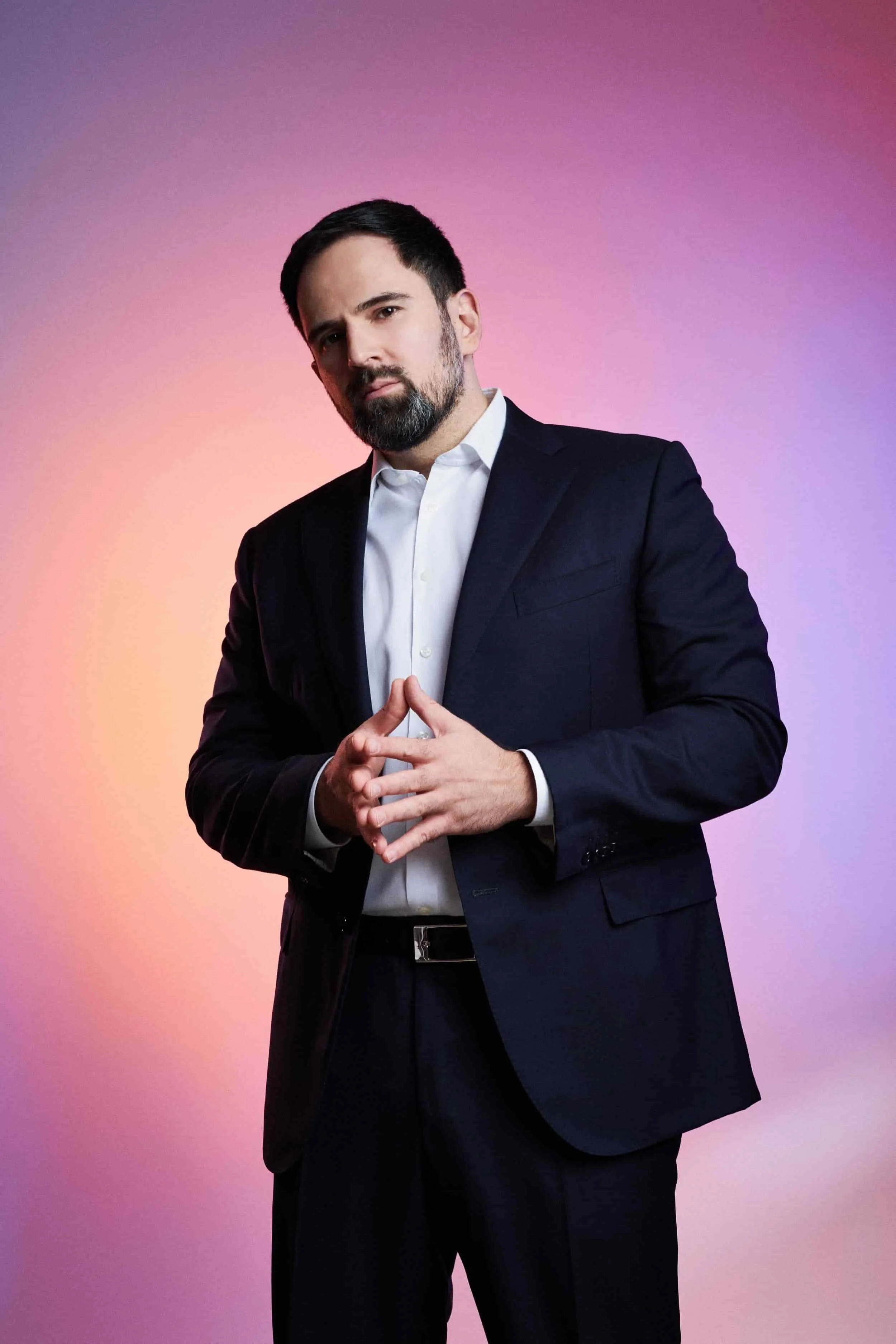
Navy suit with white shirt, tie optional
Charcoal blazer over light blue button-down
Dark jacket with cream shell underneath
Options for creative roles (marketing, startups, media):
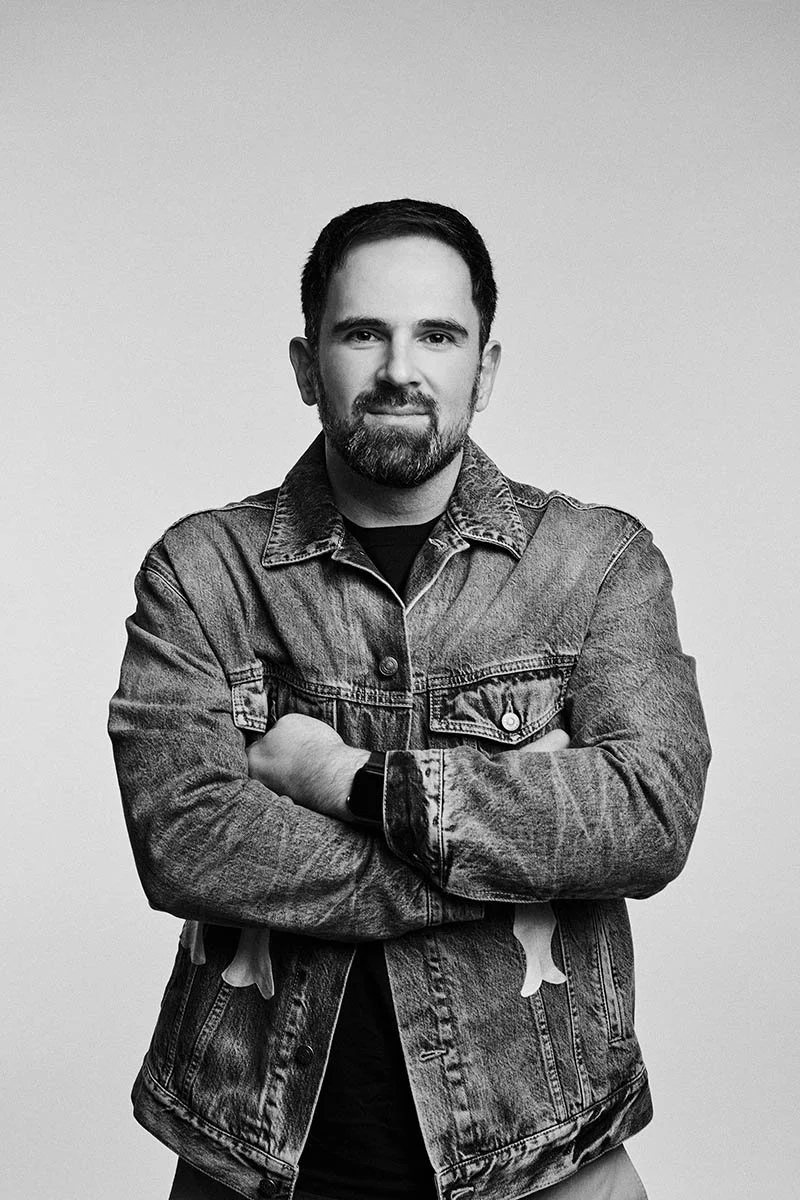
Leather jacket over a clean basic tee
Medium-wash jeans with a tailored blazer
Fine-knit sweater alone in a rich color
The goal is to look like a polished version of your day-to-day self, not someone wearing a costume they would never choose for a real meeting. Comfort is key—avoid clothing that feels restrictive or awkward, as discomfort will show in your expressions during the shoot. If the outfit feels forced, it will photograph that way.
Color choices for professional headshots: neutrals, brand tones, and background
Color needs to work with three things at once: your skin tone, your clothes, and whatever background you are photographed against. In our Midtown studio we commonly use charcoal, light gray, and soft gradient backgrounds. On location, we work with office environments. In remote sessions, we match digital backgrounds to the wardrobe. All of these contexts reward the same basic color logic.
Recommended Colors
Colors that photograph well for corporate and executive headshots:
Navy
Charcoal
Mid-gray
Deep green
Muted burgundy
Cream
Soft white (under a jacket)
Jewel tones such as emerald green, royal blue, and burgundy, which convey confidence and look professional
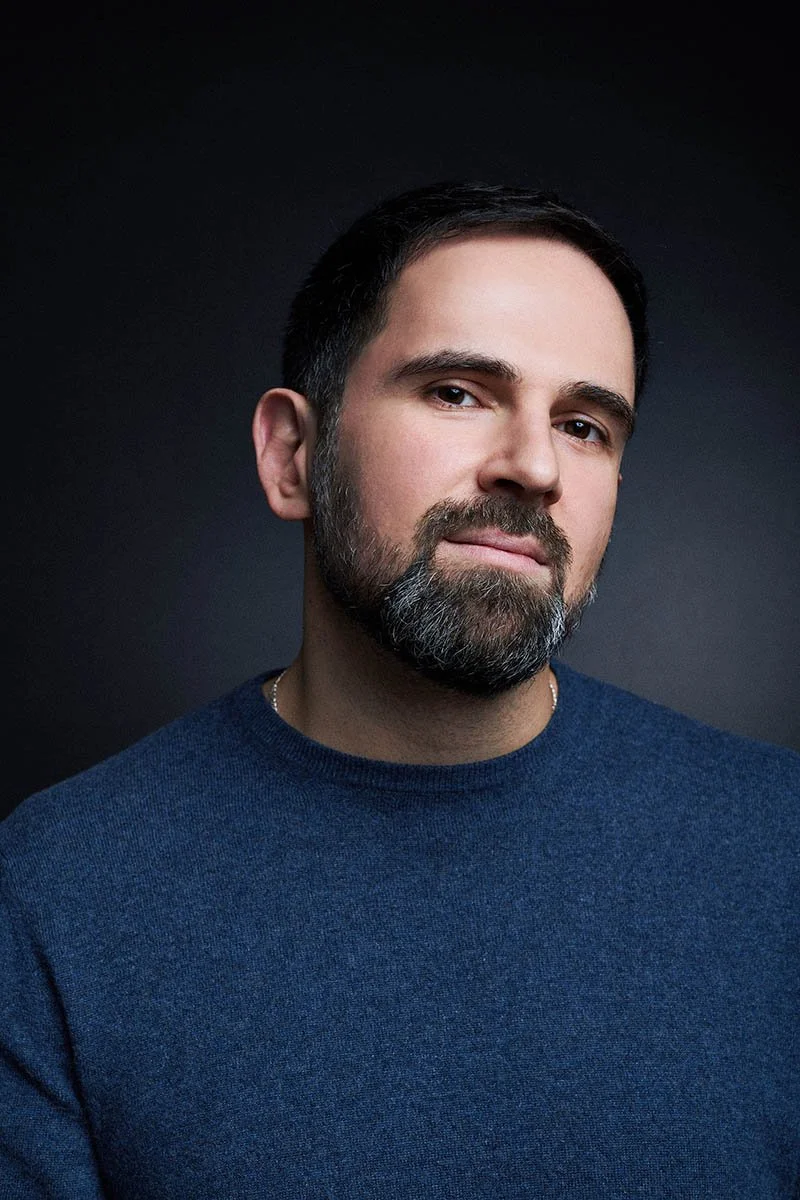
Choosing solid, vibrant colors like royal blue, red, teal, and black can photograph beautifully, especially in studio lighting. Avoid busy patterns to keep the focus on your face. Classic neutrals like charcoal gray and navy are preferred over pure black in photography because they retain more texture and detail under studio lighting. Navy blue is considered the most trustworthy and universally flattering color for headshots.
For LinkedIn headshots and corporate team pages, a navy or charcoal jacket paired with a light blue or white shirt is the safe bet across most NYC industries. This combination creates the right color contrast to separate you from the background and bring out your face without competing with it.
Dark colors are perceived as more formal, dominant, and authoritative, while light colors are seen as friendly and approachable. According to color theory, colors directly opposite each other on the color wheel create strong contrast, while colors next to each other are complementary and can enhance the overall look in headshot photography.
If you want to incorporate brand tones, do it with intention. A tech founder might wear a navy blazer with a subtle pocket square in their brand color. A creative director might choose a muted burgundy top that echoes their company palette. The key is keeping the accent subtle enough that it reads as polish, not costume.
What to Avoid
Overly bright neons that create glare under studio lights
Strong fluorescents that compete with skin color
Very light outfits on a white background without a darker layer
Color combinations that flatten against likely backgrounds
A black suit, which may not be suitable for lighter skin tones—alternatives like navy or grey are often more flattering and retain better detail in photos
For remote headshots, we sometimes ask clients to send a quick phone snapshot of their outfit options before the session. This lets us steer them toward choices that will work with their lighting and background before we are on the clock.
Use Case Examples
Different contexts call for different color choices. Here is how we advise clients depending on where their headshot will live:
LinkedIn and corporate team headshots: Navy, charcoal, mid-tone blues, and soft jewel tones. These colors age well and look professional across different devices and screen settings, especially when you are investing in professional LinkedIn headshots for long-term use.
Executive biography and leadership pages: Slightly deeper tones with textured but not busy fabrics. Think a rich navy or deep charcoal that adds weight and presence for press and keynote materials.
ERAS residency headshots: Professional but approachable. Solid jewel-toned tops or neat shirts under a blazer work well. Avoid distracting patterns so program directors focus on your face.
Actor headshots: Simple wardrobe in colors that bring out your eyes and skin tone. The outfit should not compete with your facial expression or the character you are casting for.
Darker shades tend to be more slenderizing on camera. Lighter colors can work beautifully but often need a dark jacket or layer to keep them from overwhelming the frame.
Fit and silhouette: why tailoring matters more than trends
In our experience, fit makes a huge difference between headshots that look okay and headshots that look great. High-resolution cameras and directional lighting will highlight every wrinkle, pull, and gap in an outfit. Trends come and go, but fit is always the most important part.
Fit Guidance
Choose jackets and tops that sit cleanly on the shoulders and chest without pulling, gaping, or collapsing
Slightly structured pieces (blazers, tailored dresses, woven tops) read more polished than very slouchy knits in corporate and executive contexts
If a collar is meant to button, it should button comfortably so we can shoot tie and no-tie options without visible strain
For more casual industries and remote sessions, a well-fitted crewneck sweater, henley, or simple blouse can work well alone if the neckline and sleeves are neat
Long sleeves or three-quarter sleeves are usually more flattering than sleeveless tops for most business headshots
Quick at-home test:
Put on your chosen outfit, stand near a window with natural light, and take a close-up phone photo from the chest up. Check for pulling, sheerness, and shoulder shape. This 30-second test will catch issues before you arrive at a professional photo shoot.
Necklines and Layers
Headshots are usually framed from mid-chest or bust up, so what happens below the waist does not matter for the photo. Necklines and upper chest design are what show in the final image.
Necklines that work well:
V-necks (create flattering vertical lines)
Modest scoop necks
Collared shirts
Shell tops under blazers
Necklines to reconsider:
Extremely deep plunges (can crop to looking strapless)
Spaghetti straps (read less formal once cropped)
Turtlenecks (can visually shorten the neck)
Buttons that strain when closed
Layering a shell or knit under a blazer is one of the easiest ways to create a clean neckline and strong shoulder outline. In our Midtown studio we show images as we shoot on a tethered screen, so if a neckline or layer is not working, we adjust in real time. You can add a jacket, remove a layer, or swap pieces on the spot.
Patterns, textures, and what to avoid for clean headshots
High-resolution cameras and studio lighting amplify patterns and textures in ways that look fine to the eye but strange on screen. Busy patterns on a LinkedIn profile or corporate page can pull attention away from your face.
Pattern and texture guidance:
Solid colors are almost always the safe bet
Very low-contrast patterns (a fine check that reads almost solid at headshot distance) can work
Avoid tight stripes, tiny checks, intense plaids, and loud logos
Strong shine (satin, some synthetics, certain silk blends) can create hotspots under lights
Matte or lightly textured fabrics photograph cleanly for business portraits
Fine-gauge knit textures work well for more casual tech or creative roles
Tight stripes and pinstripes can create a moiré effect on screens, where the pattern appears to shimmer or vibrate. This is distracting at best and unprofessional at worst. When in doubt, go with solid colors.
For team and enterprise rollouts, minimizing busy patterns across the group makes it easier to create a cohesive grid of team headshots on a company page. One person in a bold plaid will stand out from a row of clean neutrals, and usually not in a good way.
Accessories and glasses: keeping the focus on the face
In good headshot outfits, accessories support the face rather than compete with it. The goal is to look polished and put-together without creating visual noise.
Accessory guidance:
Simple jewelry works best: modest studs or hoops, a single delicate necklace, or a subtle watch
Avoid large statement necklaces, heavy chandelier earrings, or stacks of bracelets that create motion blur or visual clutter
For watches, classic analog often looks cleaner in close crops than a smartwatch with a lit screen
If you wear glasses daily, bring them. Clean the lenses thoroughly and choose your most current, on-brand frames
Avoid heavy tints or transition lenses when possible, as they can be challenging under studio lights
We adjust lighting angles in studio, on-location, and remote sessions to reduce glare on glasses. But heavy anti-reflective coatings and transition lenses can still catch light in unexpected ways. If you have multiple pairs, bring the pair with the thinnest, clearest lenses.
For smartwatches, turn them to silent mode before your session. A notification lighting up mid-shot is a minor annoyance. A visible smartwatch face in the final image is something you might not notice until the photos are delivered.
Good headshot outfits by industry and role
What counts as a good headshot outfit depends entirely on context. What works for a New York law partner is different from what works for a startup founder or a creative director. We adjust wardrobe guidance based on industry, role, and where the photos will be used.
Law and finance:
Tailored suits in navy or charcoal
Light shirts in white or soft blue
Minimal simple jewelry
Classic ties as needed, though many modern firms prefer no-tie looks
A dark suit with clean lines reads authority without being stiff
Tech and startups:
Polished smart casual: blazer over tee or knit
Simple shirts without ties
Elevated sweaters in solid colors
Clean denim or trousers that fit the company culture
The perfect outfit for a seed-stage founder is different from a Series D exec
Healthcare and ERAS:
Clean, approachable outfits
Solid tops in jewel tones
Optional white coat for certain uses
Minimal accessories so patients and program directors focus on the face
Avoid logos and busy patterns entirely
Creative and media:
Mix of structured pieces and more color or texture
Statement jacket in a muted color
Simple black top with interesting but not flashy details
Bold colors can work here if they are intentional
CEOs and board members:
Classic, authoritative silhouettes
Slightly richer fabrics
Layered options so we can capture both formal and slightly relaxed portraits in the same session
A red tie can add presence for traditional corporate contexts, but is not required
Coordinating good headshot outfits for teams
For team and enterprise headshots, we aim for consistency without everyone looking identical. A company page with 50 headshots should feel cohesive, not like a uniformed group photo.
Team coordination process:
Agree on a dress code range in advance (e.g., “business formal: suits and blazers” or “polished smart casual: jackets optional, no logo tees”)
Choose a palette: blues, grays, and muted earth tones work for most companies
Ask people to avoid logos, loud prints, and neon colors that will stand out in a grid
Decide on ties: either widely worn or generally avoided within a leadership group
When we run on-location headshot and enterprise rollouts in NYC office towers or across distributed teams, we send pre-shoot wardrobe guidelines and a reference sample image. This gives people a clear baseline while still allowing personality in their outfit choices.
For hybrid and multi-office organizations, we can combine in-office and remote sessions while keeping wardrobe and background consistent. The marketing manager in the Midtown office and the engineer working from Austin can both end up on the same team page looking like they belong together.
Studio, on-location, and remote headshots: how environment affects outfit choice
Different environments create different constraints on wardrobe. What works perfectly in a controlled studio might wrinkle on the commute to an office shoot. What looks great in person might disappear against a home office background in a remote session. Preparing for your photo session means considering these factors in advance, so you feel confident and look your best throughout the process.
Studio headshots (Times Square / Midtown location):
We fully control background and light
Most tailored outfits in the right colors will work well
Room for clothing changes between looks
We can adjust everything in real time on a tethered screen
Bring a backup option for variety, especially for executive or leadership work
On-location NYC office shoots:
Clients often come straight from meetings
Wrinkle-resistant pieces and jackets that travel well are essential
Choose outfits you can comfortably wear through your workday
We bring lighting equipment to create studio-quality results in conference rooms and lobbies
Remote headshots:
Tops should be neat and solid with clean necklines and shoulders
Colors that stand out gently against typical home or office environments
Avoid pure black shirts in dim home offices, as they can disappear against dark backgrounds
Pants and shoes matter for posture even if they are not in frame
We provide live direction and check framing and clothing on screen
For added flexibility, we offer a green screen option, allowing you to be placed into customizable, high-quality virtual backgrounds for a polished look.
In remote sessions, we make small adjustments throughout: asking clients to straighten collars, smooth jackets, adjust hair placement, or move closer to their light source. The feel confident factor is just as important as the technical details.
On the day of your headshot session, plan your wardrobe and accessories in advance so you can make as few decisions as possible—this helps reduce stress and keeps you focused. Building rapport with your photographer beforehand is also key; it helps you feel more relaxed and confident during the shoot.
A quick example of our wardrobe process on a team day
Here is how we typically handle wardrobe guidance before a NYC team headshot day:
Initial call with HR or comms lead to understand dress code expectations and brand standards
Shared PDF or email with suggested colors, do/avoid lists, and example images
Build a baseline look (often navy and gray with light shirts) that works for 80 to 90 percent of people
Adjust guidance for outliers and senior leadership who may want more formal or distinctive options
On the day of the shoot, review last-minute choices, fix ties and collars, adjust layers
We review images on a laptop or tethered screen during the session when practical. This lets us catch issues like visible bra straps, gaping buttons, distracting jewelry, or lint that needs a quick touch-up. Small fixes on the day prevent reshoots later.
The wardrobe guidance is not about being prescriptive. It is about making sure everyone feels comfortable and confident while creating a cohesive final result for the company page.
Preparation checklist: making sure your outfit photographs well
Whether you are coming to our Midtown studio, being photographed in your office, or joining a remote session, this checklist will help you arrive ready:
Night Before
Choose your final outfit and try it on completely
Steam or iron everything, including under-jackets and layering pieces
Use a lint roller on all visible fabric to make sure it is lint free
Pack jackets or extra tops on hangers, not folded in a bag
Apply translucent powder to reduce shine if you tend to get oily
Remove fake lashes or heavy makeup that might look unnatural under professional lighting (natural makeup photographs best)
Morning Of
Avoid anything new to your hair or skin that might cause unexpected results
If you wear glasses daily, clean the lenses thoroughly
Bring simple touch ups: lip balm, powder, a comb
Pack one to two backup tops or jackets in case the first choice does not work with the background or lighting
Session-Specific Tips
For studio and office sessions:
Arrive a few minutes early to settle in, review wardrobe, and make small adjustments
If you wear a tie, a simple four in hand knot photographs cleanly
For remote sessions:
Test your camera height, lighting near a window, and background 10 minutes before the call
Wear the chosen outfit during your test so we can refine details quickly
Position yourself so natural light falls on your face, not behind you
Close unnecessary apps and turn off notifications
We handle direction live, but starting with a good setup saves limited time
If you are working with a personal styling consultation or a professional makeup artist, coordinate with them on timing so you arrive camera-ready without rushing.
What to expect from a headshot photo shoot
A headshot session transcends the basic camera interaction: it is a focused, professional engagement engineered to capture images that define your executive presence and elevate your market position. Whether you are refreshing your LinkedIn profile, preparing corporate leadership portraits, or updating your C-suite imagery, the process is calibrated to deliver both authentic presence and polished authority.
Pre-session preparation separates competent headshots from editorial-quality portraits. Begin with wardrobe selection: solid colors in executive palettes—navy, charcoal, or crisp white shirting—consistently deliver professional results across all skin tones while ensuring your expression remains the focal point. Daily eyewear should be included: current frames, immaculately clean and smudge-free, to maintain authenticity in your professional imagery. For those seeking elevated results, personal styling consultation or professional makeup artistry makes a measurable difference, ensuring hair, makeup, and wardrobe align with your brand positioning and photograph beautifully under controlled lighting.
Session day brings collaborative craft. Your photographer guides expression and positioning, utilizing professional lighting systems and strategic natural light to create polished, authoritative imagery. Depending on your deliverable requirements, background options may include green screen capabilities for customizable corporate environments. The objective: authentic yet versatile portraits suitable for everything from board-level websites to executive press materials.
Wardrobe combinations follow editorial principles: dark suiting with white shirting and minimal jewelry consistently photograph at CEO level. Personality injection through a strategic red tie or executive scarf works when these elements support rather than compete with your overall presence. Avoid busy patterns and competing colors that fragment attention from your face; select pieces that fit impeccably and feel comfortable under studio conditions. Translucent powder reduces shine under professional lighting, while subtle, natural makeup ensures clean, executive-level finish.
Strategic preparation and expert guidance create confidence during your headshot engagement. Trust the process, remain open to professional direction, and you will produce leadership portraits that not only photograph beautifully but command attention—delivering measurable value for your career trajectory and corporate brand positioning.
When to consider a personal stylist for your headshot session
Bringing a wardrobe specialist into your headshot session shifts the entire caliber of your final deliverables. While many professionals manage decent outfit choices independently, a styling expert brings technical precision to garment selection: curating pieces that optimize skin tone contrast, align with brand architecture, and perform under professional lighting conditions.
Professional styling consultation becomes critical when executives need headshots that read boardroom-ready or when brand positioning demands editorial precision. Specialists understand fabric behavior under strobes, texture interaction with high-resolution sensors, and color temperature balance across different lighting ratios. They eliminate visual noise: busy patterns that fragment attention, oversaturated hues that clip highlights, and logos that undermine executive presence on camera. The focus stays clean: neutral palettes, solid weaves, and accessories that enhance structure without competing for focus.
Corporate representation, leadership positioning, and high-stakes profile updates require wardrobe choices that perform across media platforms and lighting environments. A styling professional factors in how fabrics render under controlled lighting, background interaction, and skin tone calibration—ensuring consistent brand expression whether the portrait appears in press, investor communications, or leadership grids. They understand the technical requirements: how charcoal suits hold detail in shadow areas, how shirt textures maintain definition under professional lighting ratios.
Professional styling investment extends beyond garment curation: it delivers confidence and technical preparation when you step into frame. Expert wardrobe direction, engineered for camera performance, allows authentic presence and professional authority to translate through the lens. For executives demanding portfolio-level results or those requiring precision in brand representation, a styling specialist becomes essential technical support for your headshot session.
Closing: choosing headshot outfits that work for real business needs
Good headshot outfits fit well, align with your role and industry, support brand consistency across teams, and keep the focus on your face. Most common questions about what to wear come down to these same principles: neutral tones, clean lines, minimal distractions, and clothes that feel like an authentic version of your best attire.
We help clients and teams make these decisions every week across studio, office, and remote sessions in New York and beyond. Wardrobe planning is part of our production approach, not an afterthought. When we run enterprise rollouts for hundreds of people or photograph a single CEO portrait, the same preparation applies.
If you have questions about your industry, team standards, or an upcoming rollout, reach out and we can advise on headshot outfit guidelines that match your personal brand and company needs.