
Professional Business Headshot Tips
The short version: a strong business headshot comes down to four things you control: a relaxed, slightly squinted expression, a genuine smile, simple professional clothing, and a clean background. Get those right and you read as competent and approachable in the only window that matters, the first tenth of a second someone sees your face. Everything below is the detail on how to nail each one.
Key takeaways
In this guide
- Why is a business headshot worth getting right?
- What separates a great business headshot from a snapshot?
- Tip 1: Get your expression right (it matters more than the camera)
- Tip 2: Master the angle and posture
- Tip 3: Choose wardrobe that supports your face
- Tip 4: Get the background and lighting right
- Tip 5: Avoid the mistakes we fix most often
- Grooming and the small details
- How long does a business headshot last?
- Business headshots for a whole team
- How does a professional session actually work?
- Frequently asked questions




Why is a business headshot worth getting right?
Your headshot is usually the first thing a client, recruiter, or new hire sees, often before they read your name or title. Princeton researchers Willis and Todorov found that people form stable impressions of competence, trustworthiness, and likability from a face in roughly one-tenth of a second, and that extra viewing time mostly hardens that first judgment (source). You do not get a second chance to make that initial read.
Profile-photo testing can help compare how different expressions, crops, and wardrobe choices are perceived. PhotoFeeler publishes its own guidance for evaluating professional photos (source). Treat those scores as feedback on a specific image, not as a promise about replies, hiring, or conversion.
The photo may sit next to your name in search results, sales email, company team pages, and video-call profiles. Review it at both thumbnail and full size, and choose a current image that remains recognizable across those placements.
What separates a great business headshot from a snapshot?
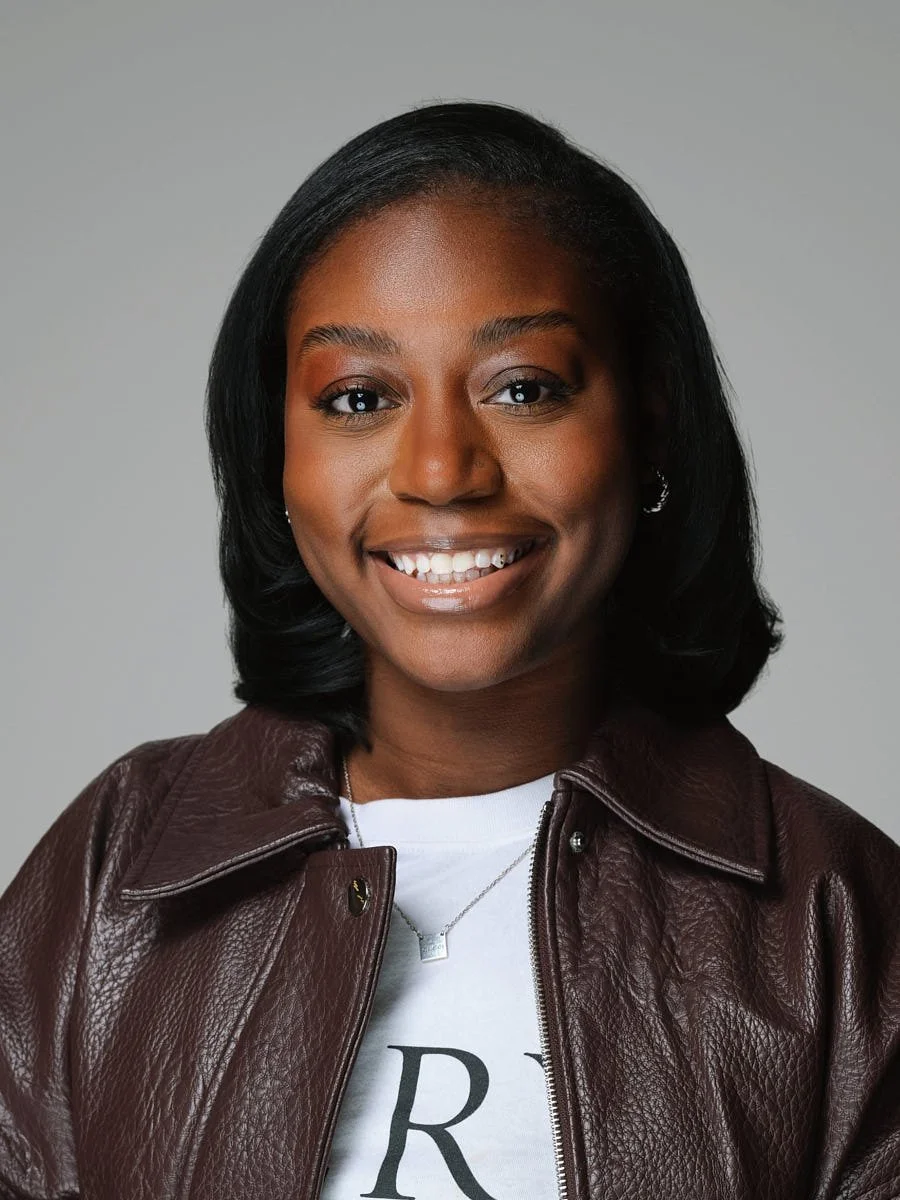
Six practical details separate a controlled headshot from a casual snapshot:
Sharp focus on the eyes. Keep the eyes sharp because they anchor the portrait at small sizes.
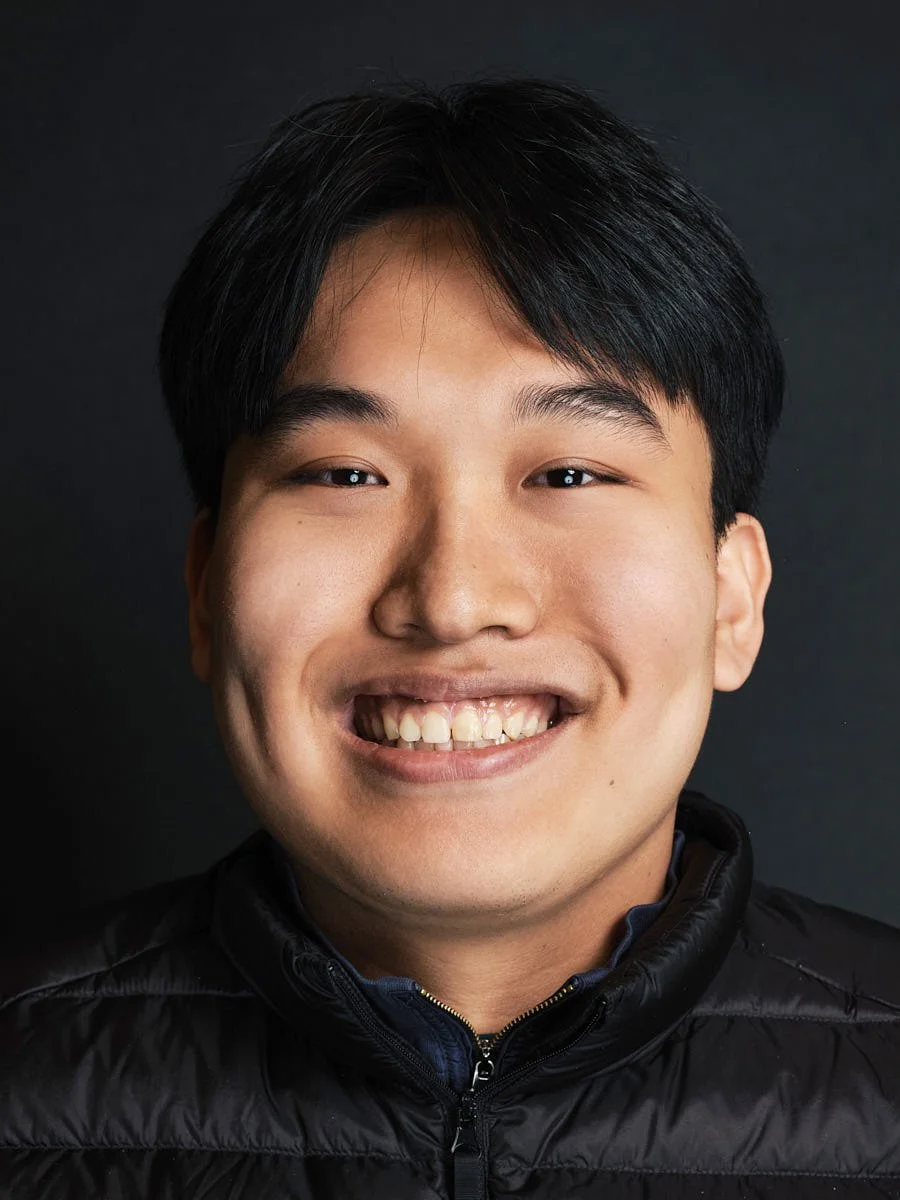
A genuine expression. A real, slightly smiling face beats both a stiff non-smile and a forced grin.
A clean background. Studio gray, a soft office blur, or a brand color, never clutter.
Flattering, directional light from slightly above and to the side, not a flat phone flash.
A tight, correct crop: head and shoulders, eyes in the top third, a little headroom.
A current look that matches the person who shows up to the meeting.
Hold those six and you are most of the way there. The tips below are how to actually produce each one on the day of the shoot.
Tip 1: Get your expression right (it matters more than the camera)
Most "bad" headshots are not a lighting problem, they are an expression problem.
Smile with your eyes, not just your mouth. Try a full smile, a small smile, and a neutral expression. Compare them against the role and intended use rather than forcing one expression for every person.
Squint slightly. Relaxing the lower eyelids, sometimes called a squinch, makes you look confident and present instead of startled. Wide-open eyes read as nervous.
Reset between frames. The best expressions land in the half-second after a laugh, not when you hold a pose. Drop the face, breathe, and come back.
Drop your shoulders and exhale. Tension lives in the jaw and shoulders, and the camera sees all of it.
For a deeper breakdown of confident, on-brand expressions, see our guide to the corporate pose.
Tip 2: Master the angle and posture
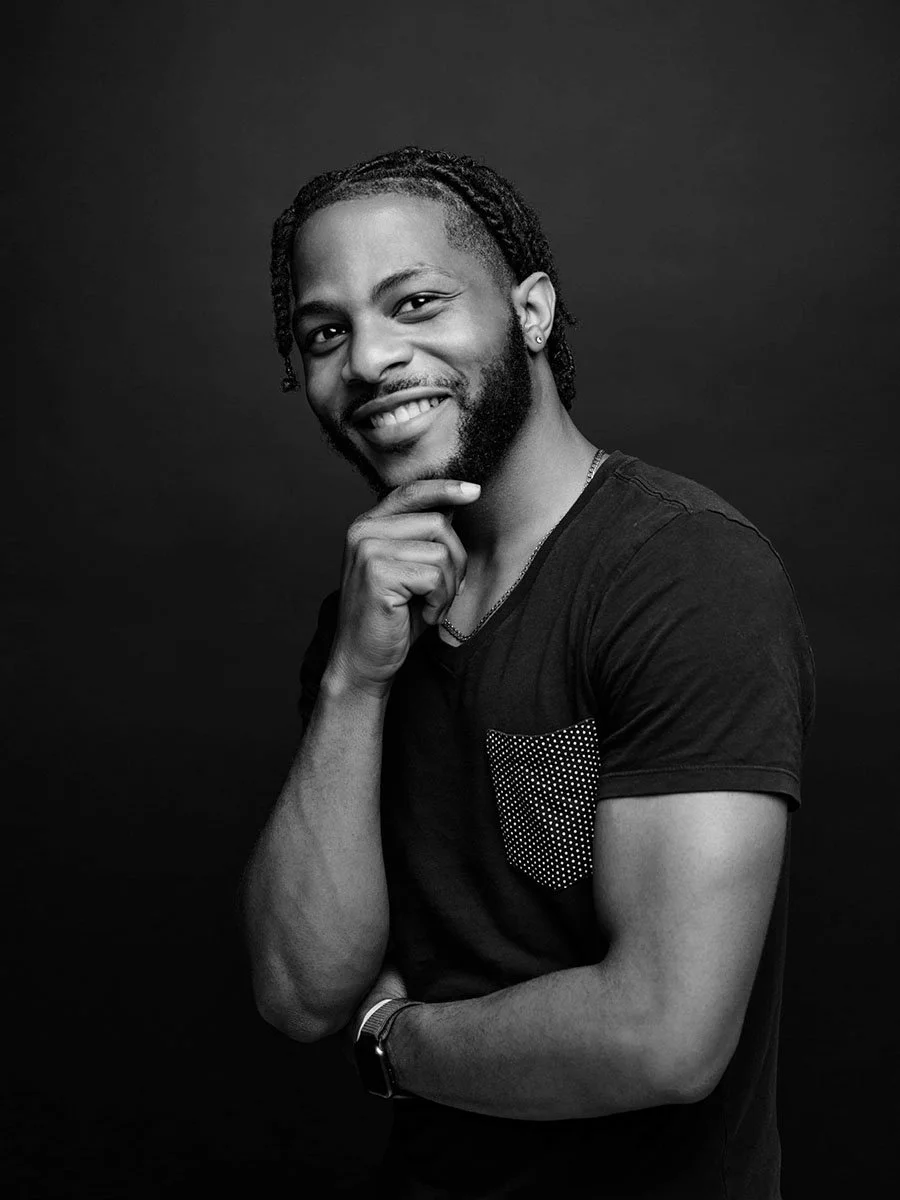
Turn your body 30 to 45 degrees from the camera, then bring your face back to the lens. A straight-on, square stance widens the body and flattens depth. The angle adds shape.
Lead with your forehead. Push your forehead slightly toward the camera and bring your chin a touch down and forward. It defines the jawline and removes the double-chin angle.
Keep your eyes in the top third of the frame. This is the most universally flattering crop for a face.
Sit or stand tall. Lengthen through the spine and roll the shoulders back and down. Good posture reads as confidence before anyone notices the smaller details.
For full body language and seated variations, our LinkedIn headshot poses guide goes pose by pose.
Tip 3: Choose wardrobe that supports your face
Clothing should support your face, not compete with it.
Solid, mid-to-deep colors like navy, charcoal, forest, and burgundy photograph cleanly. Avoid tight stripes, busy patterns, and logos, which create moiré shimmer and date the photo.
Fit beats brand. A well-fitted basic blazer outperforms an expensive but loose one every time.
Mind the neckline. A simple crew, a clean collar, or a structured lapel frames the face well. Skip very busy or high-detail collars.
Match the formality to your audience. A founder pitching investors and a creative-agency hire may need different levels of formality, so dress toward the polished end of your industry's usual range.
We break wardrobe down completely in what to wear for headshots and the business-casual look.
Tip 4: Get the background and lighting right
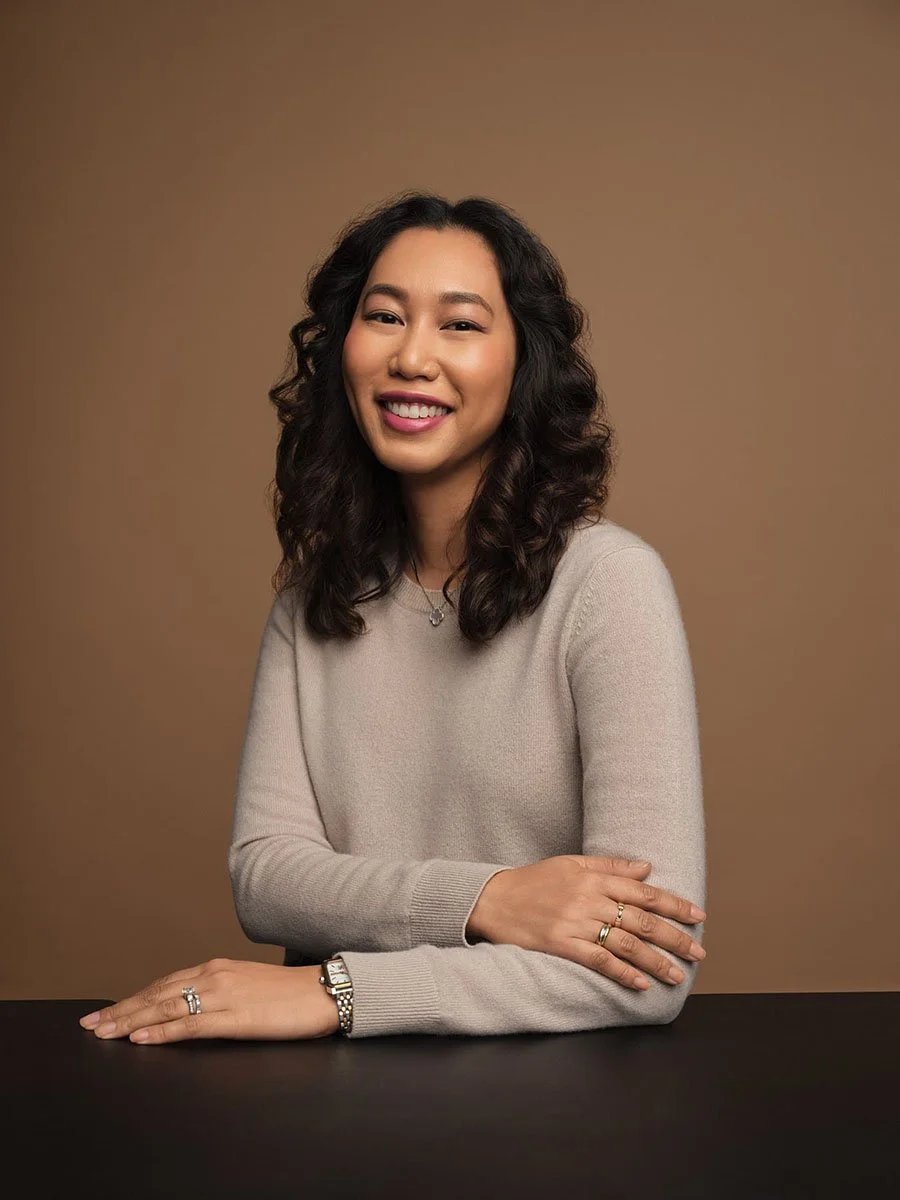
Pick a background that adds zero distraction: a clean studio gray, a soft office blur, or a brand-colored backdrop for team consistency. More in our headshot background guide.
Use soft, directional light from slightly above and to the side for flattering, dimensional skin. Flat, head-on light erases features and drops shadows under the eyes.
Avoid harsh overhead office light. It creates dark circles under the eyes and shine on the forehead. If you must shoot in an office, move to indirect window light.
Keep the background a few feet behind you so it falls softly out of focus and your face stays the clear subject.
Tip 5: Avoid the mistakes we fix most often
| Mistake | What it does | Fix |
|---|---|---|
| Chin tucked too far down | Looks timid, hides the eyes | Forehead forward, chin slightly out |
| Stiff, frozen smile | Reads as fake | Talk, laugh, reset between frames |
| Busy or branded shirt | Dates the photo, distracts | Solid mid-tone color |
| Standing dead-square | Flattens and widens | 30 to 45 degree body angle |
| Shooting from below | Unflattering up-the-nose angle | Camera at eye level or just above |
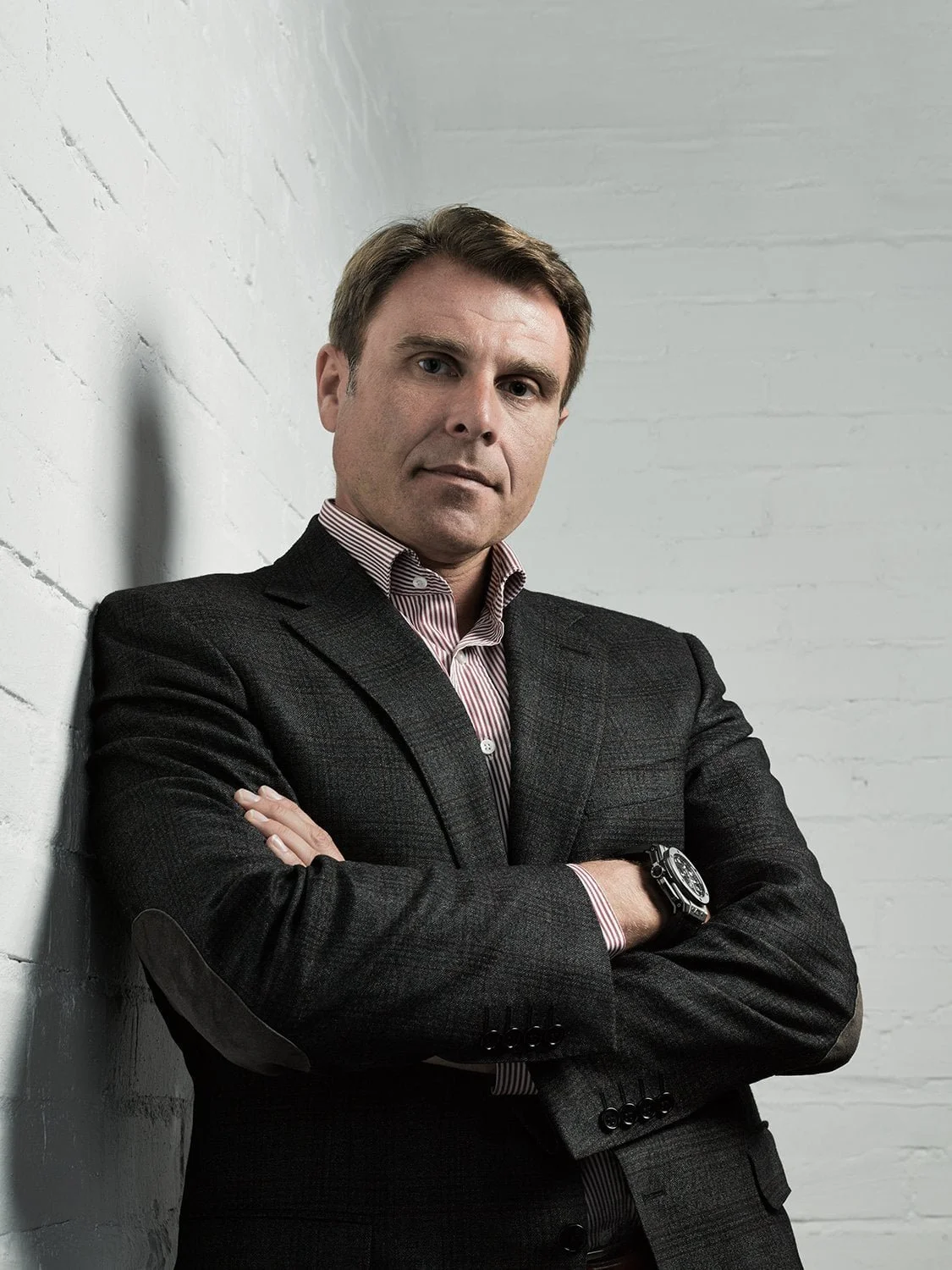
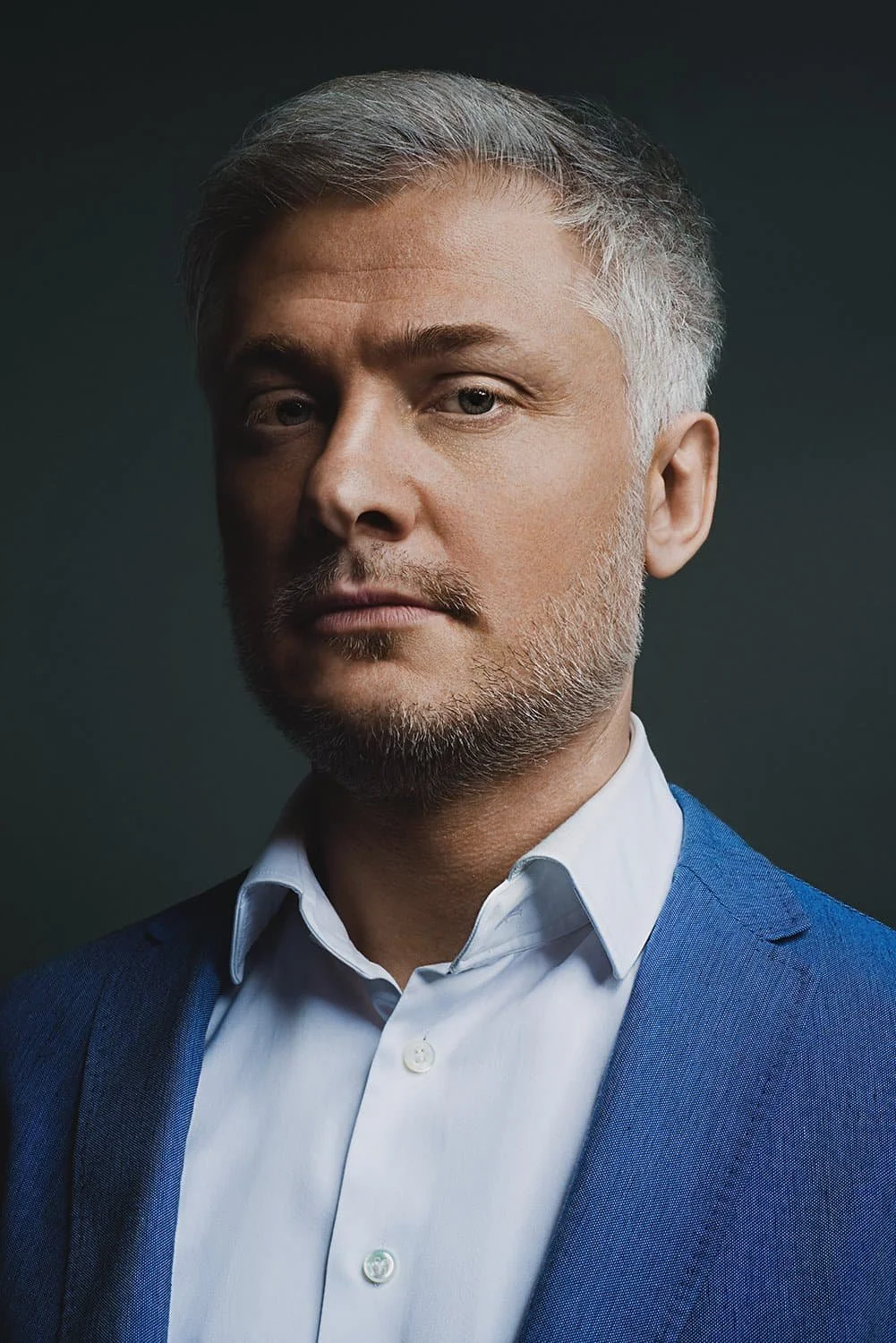
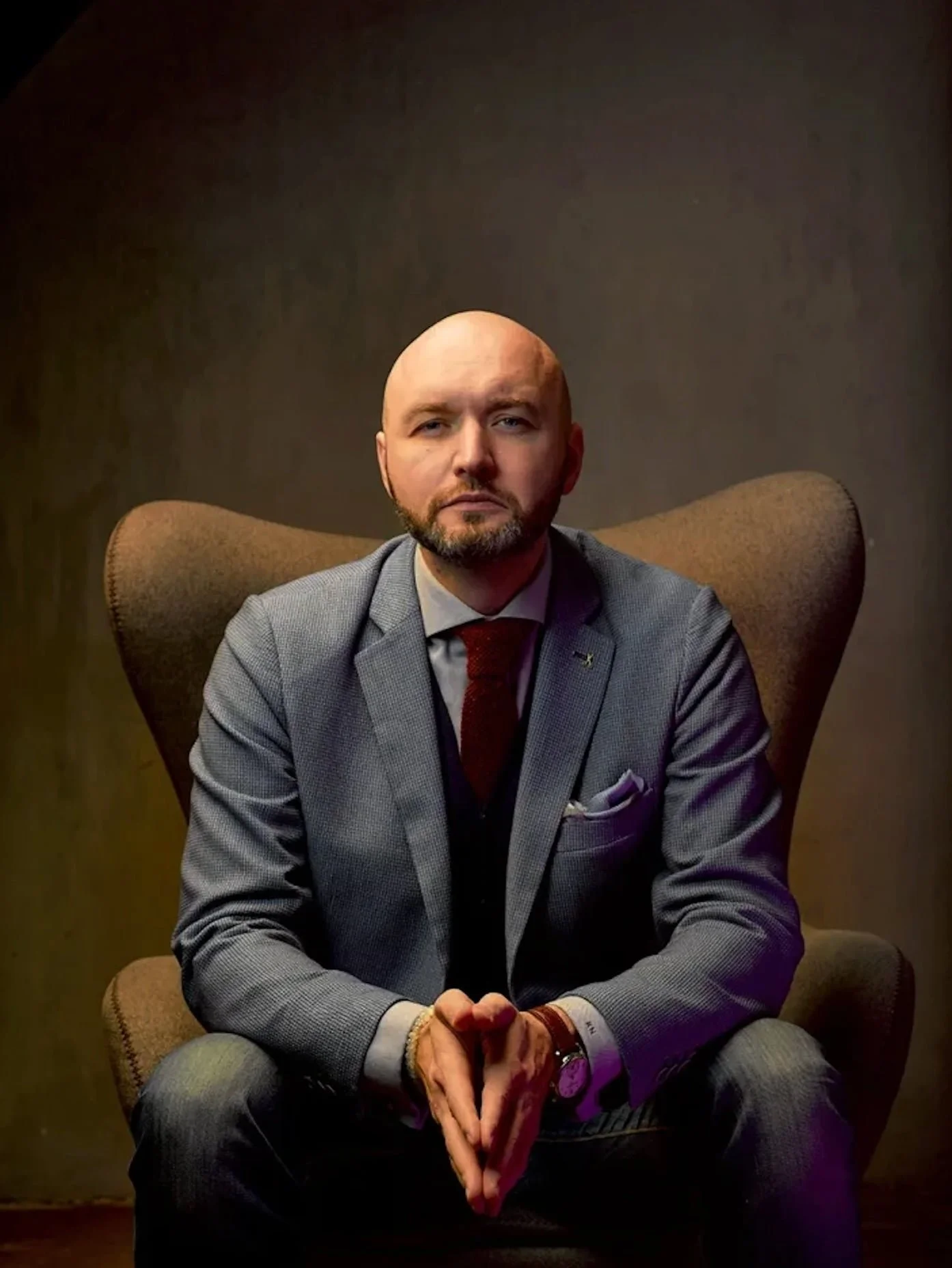
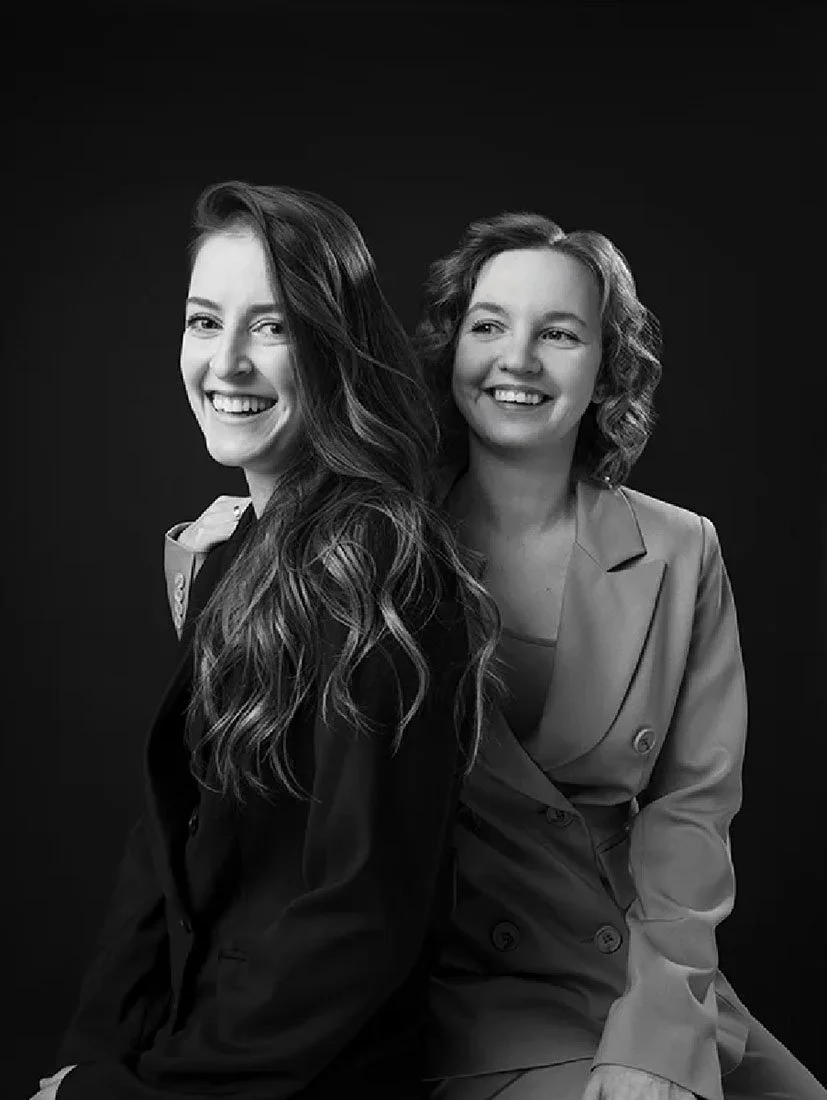
| Mixed-quality team photos | Looks unprofessional on the website | One photographer, one setup, one background |
Grooming and the small details
The little things separate "fine" from "polished":
Hair as you wear it day to day, but tidy. The photo should look like you on a good day.
Skin: matte photographs better than shiny, so a touch of powder helps. We handle blemishes and shine in light retouching, so do not stress over a single spot. See our retouching guide for how far that should go.
Glasses: wear them if you wear them daily. Anti-glare lenses help, and a good photographer angles the light to remove reflections.
Iron your clothes and lint-roll. Wrinkles are the single most common avoidable problem we see on set.
How long does a business headshot last?
Refresh your headshot every two to three years, or sooner after a meaningful change in appearance or role. The goal is that someone who has only seen your photo recognizes you immediately in person. An outdated photo creates a small but real credibility gap the moment you walk into the room, and it quietly undercuts the trust the photo is supposed to build.
Business headshots for a whole team
If you are photographing more than a few people, consistency is the whole game: same background, same light, same crop. That is what makes a team page look intentional instead of assembled from whatever everyone had on hand. Send the group a one-line wardrobe note in advance (solid colors, no logos, similar formality) so the set hangs together, and book everyone with one photographer rather than collecting photos over months.
How does a professional session actually work?
A good business headshot session is short and directed. At Match Production we light you properly, give live posing direction so you are never guessing, and show selects on the spot so you leave knowing you got the shot. We shoot in our NYC studio, on location at your office, or remotely with live direction for distributed teams. The direction is the part that matters most: it is why someone who calls themselves "not photogenic" still walks out with a photo they actually like. For what teams typically budget, see our pricing guide.
About Match Production
Match Production is a New York City studio specializing in corporate, team, and executive headshots, shot in-studio, on location, and remotely with live direction. We've produced headshots for companies across NYC, from fast-growing startups to enterprise teams.
From a recent session: a sales director arrived certain he "wasn't photogenic." The fix had nothing to do with the camera. We dropped his shoulders, angled his body about 40 degrees, and caught a real laugh between frames. Same person, completely different photo.
Frequently asked questions
What should I wear for a business headshot? Solid, mid-to-deep colors in well-fitted, simple cuts such as navy, charcoal, or burgundy. Avoid logos, tight patterns, and anything loose. Match the formality to your industry and dress to the top of its norm.
How long does a professional headshot session take? Session length follows the selected package. Current individual studio packages list 30-minute, one-hour, and two-hour sessions. Team timing is set by headcount, location, and the approved run of show.
How do I look confident if I am not photogenic? A photographer can cue your angle, chin, posture, and expression frame by frame. You can compare several expressions instead of relying on one prescribed smile.
How much do business headshots cost? Match Production individual studio packages currently start at $399. Team packages start at $1,449 for up to five people, with custom scope quoted separately. See our pricing guide for the full breakdown.
How often should I update my headshot? Update the photograph when it no longer matches your current appearance, role, or the places where it will be used.
Should I smile or keep a neutral expression? Capture a genuine smile, a smaller smile, and a composed neutral expression, then select the version that fits the role and intended placement.
What background is best for a business headshot? A clean, non-distracting one: studio gray, a softly blurred office, or a brand color. The background should support your face, not pull attention from it, especially at small sizes.
Can I take a business headshot myself? For a casual or temporary photo, a phone in soft window light can work. For anything client-facing, a directed professional headshot session adds controlled light, live posing direction, and a repeatable crop and background.