
Tips for Professional Headshots: A Practical Guide from a NYC Production Team
A professional headshot is one of the few images that genuinely works for you around the clock. In this guide, you'll find a few tips and top tips from professionals, along with essential headshot tips to help you achieve a polished business headshot that creates a strong, professional image for LinkedIn and corporate settings. It sits on your LinkedIn profile picture, your company website, investor decks, press releases, and internal directories. In the digital age, it often forms the first impression before a handshake or a Zoom call. We photograph hundreds of professionals every month from our Midtown studio, in Manhattan offices, and through live-directed remote sessions for distributed teams. This blog post collects the practical tips we share with clients before every shoot, whether they are preparing for a quick LinkedIn update or coordinating head shots for 300 employees across four time zones.
Introduction to Professional Headshots
In today's digital landscape, your professional headshot is not just another photo: it's the decisive first contact that happens before handshakes, before conversations, before you even enter the room. Whether it's anchoring your LinkedIn presence, commanding attention on a company leadership page, or building your personal brand, a high-caliber headshot determines how colleagues, clients, and decision-makers read your professional authority. A skilled headshot photographer captures more than likeness—they engineer presence and credibility into a single frame, understanding that boardroom-level portraits require different techniques than volume headshot packages. Preparing for your headshot session means more than showing up and smiling; it's about aligning your visual identity with your career objectives and industry standards, from wardrobe choices that photograph well under professional lighting to understanding how your image will perform across digital platforms and print materials. This guide walks you through the technical and strategic elements of working with a professional headshot photographer, how to prepare for a session that delivers editorial-quality results, and why investing in premium headshot photography is essential for anyone serious about standing out in an oversaturated digital marketplace where visual credibility matters more than ever. This guide is designed for professionals, HR leaders, and anyone seeking to create a standout business headshot for LinkedIn, company websites, or press materials.
Quick-start tips for professional headshots
The good news is that a great headshot does not require modeling experience, a new wardrobe, or hours in front of the camera. It comes from three things: preparation before you arrive, clear direction on set, and knowing where the image will actually live.
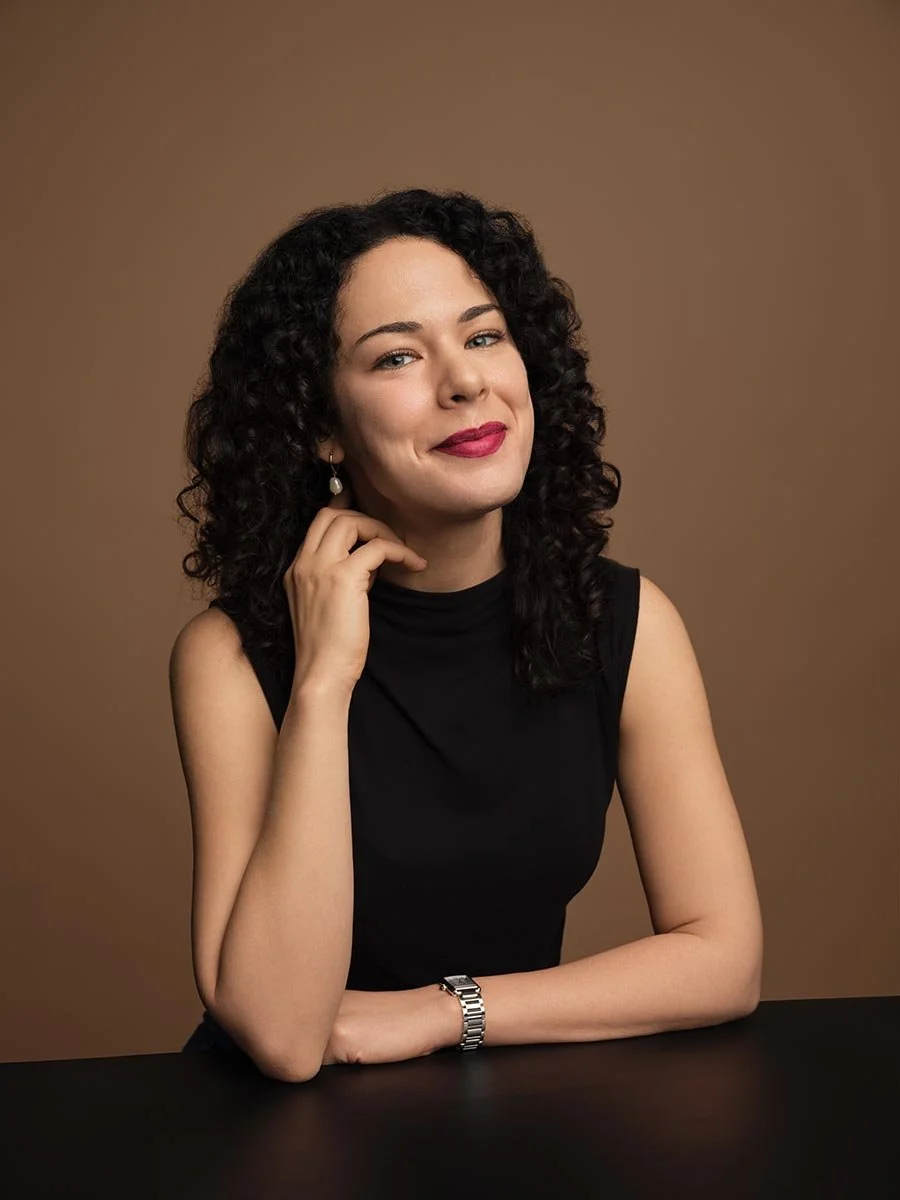
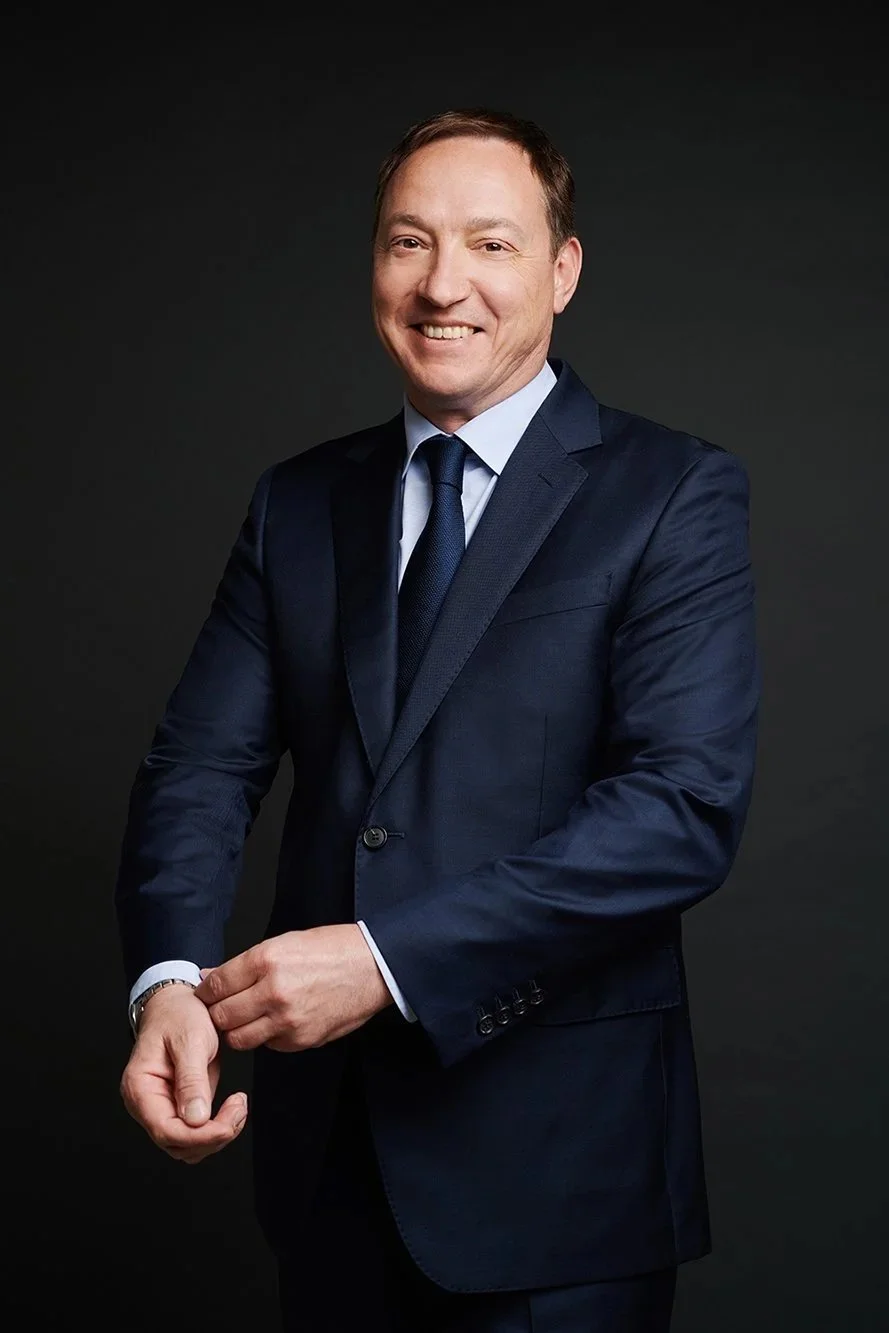
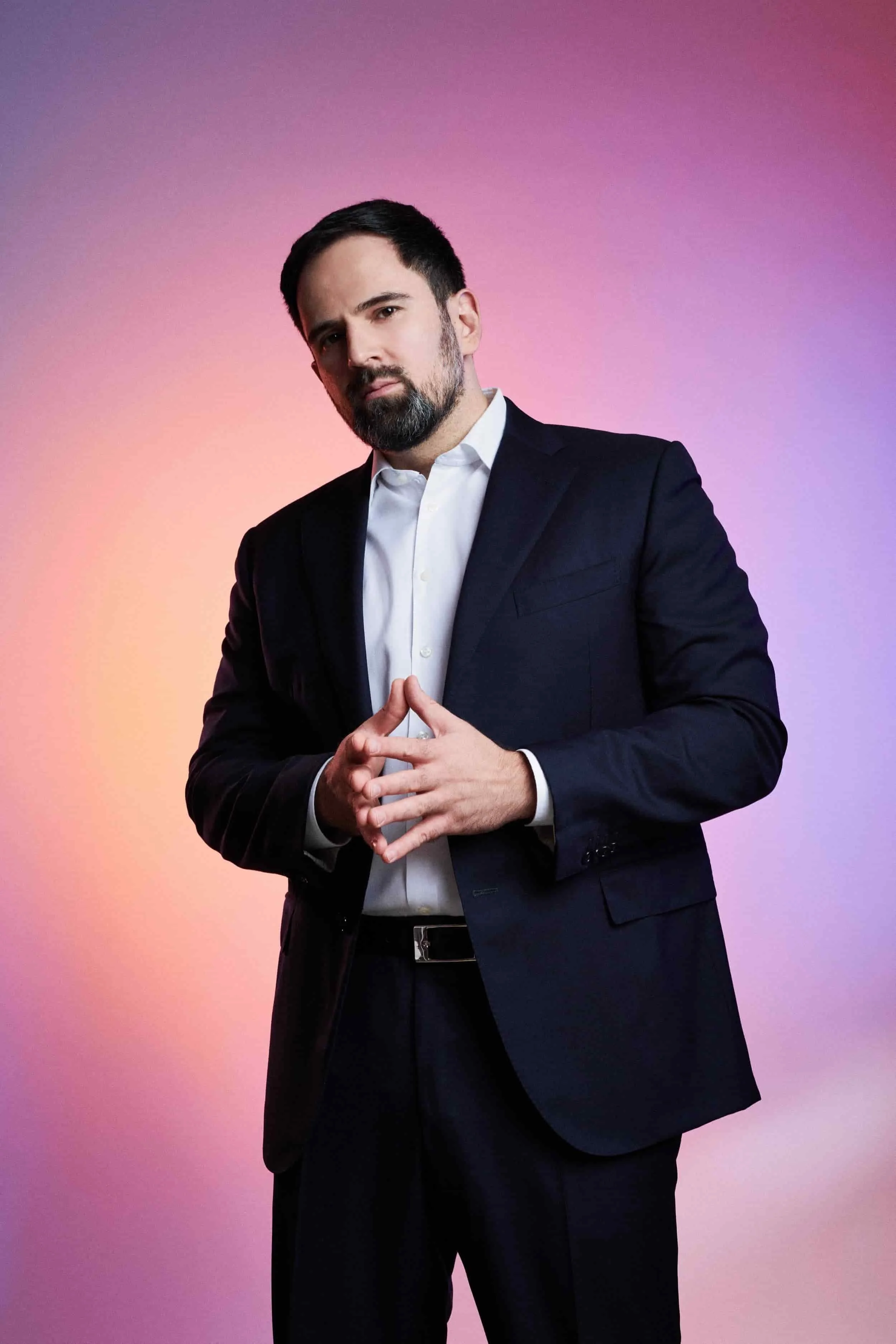
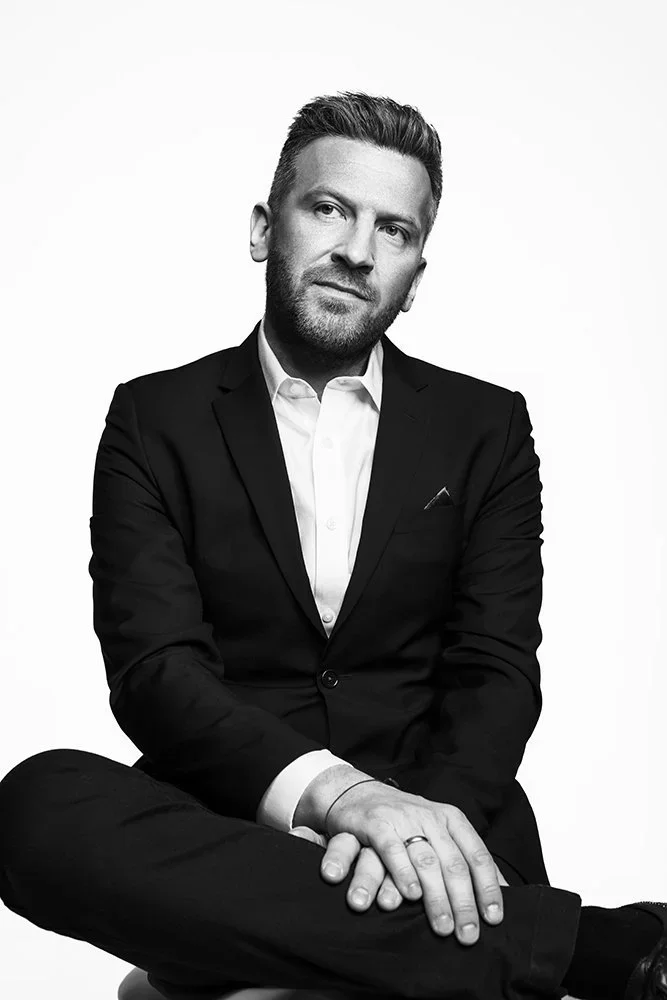
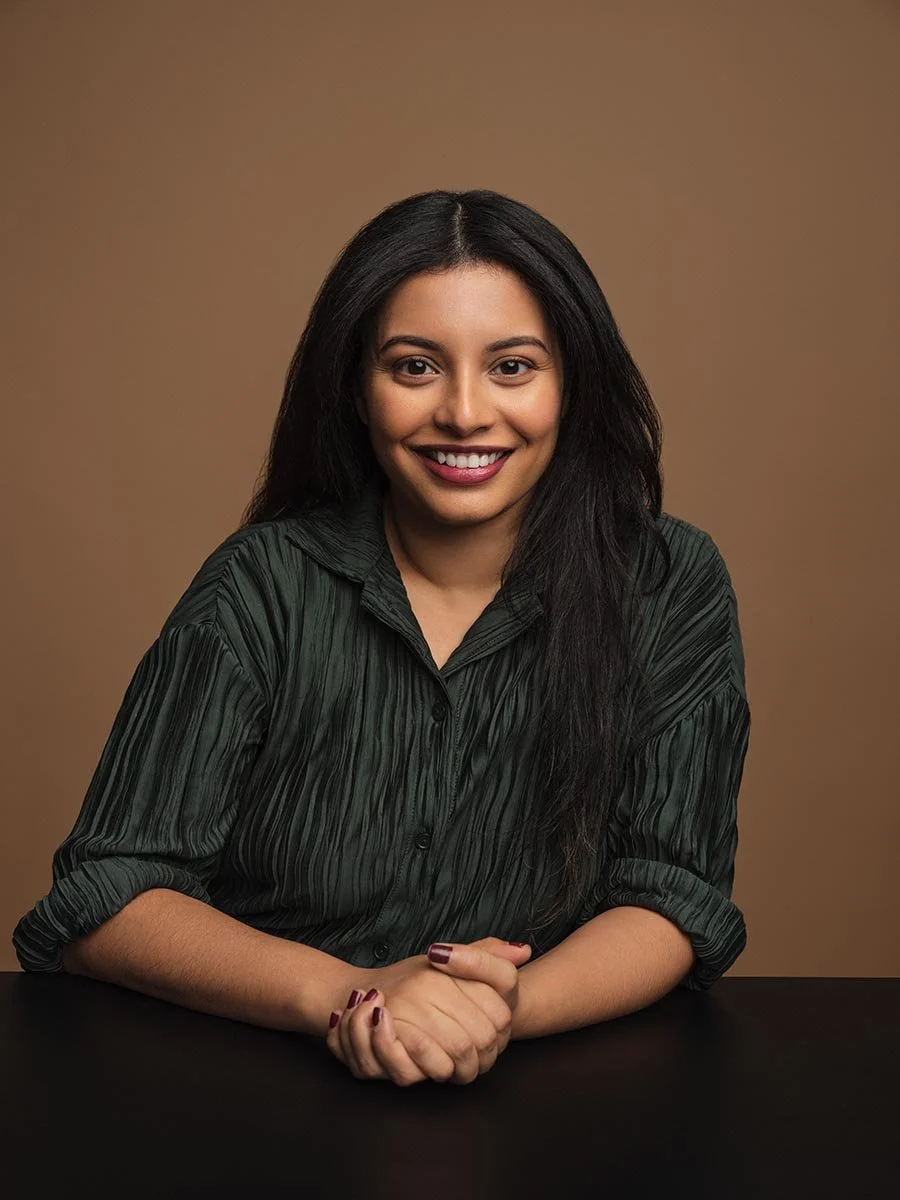

Professional photographers recommend these preparation steps to ensure you look your best and feel comfortable before the photo is taken.
On a typical Match Production corporate day in Midtown, we photograph people in 5 to 10 minute slots. That pace sounds fast, but it works because each person arrives prepared. Decision fatigue shows in micro-expressions. When wardrobe is already chosen and the schedule is clear, confidence follows.
You do not need to know how to pose. A skilled headshot photographer will direct your body angle, coach your expression, and tell you exactly where to look. These few tips apply whether you are coming to our Times Square studio, hosting us in a Manhattan conference room, or joining a live-directed remote headshot from your home office.
If you are using a smartphone for a remote session, try using portrait mode to creatively blur the background and enhance the quality of your headshot.
Here is a simple week-of checklist we share with every client:
Confirm timing and location at least 48 hours out. For office shoots, verify the room and who will greet the photographer. For studio sessions, note the address and arrival window.
Select one or two outfits that fit comfortably. Anything too tight or unfamiliar will show as tension in your shoulders and jaw.
Prioritize sleep the two nights before. Getting a good night's sleep before your headshot session can significantly improve your appearance, helping you look more relaxed and radiant when the photo is taken. High-resolution cameras pick up under-eye shadows and dull skin faster than real life ever does.
Avoid major experiments. A fresh hair colour change or a new skincare peel can create uneven texture or redness that complicates retouching.
Block focused time. Whether you have 10 minutes or 30, divided attention leads to stiff expressions. Close the laptop lid, silence notifications, and commit to the window.
Transitioning from preparation, the next step is to clarify the purpose of your headshot and how it aligns with your personal brand.
Clarify the purpose of your headshot and your personal brand before you book
Before discussing wardrobe or lighting, answer one question: where will this headshot photo live? The primary use case drives roughly 80 percent of the creative choices, from crop ratio to backdrop to how formal the pose should feel. Getting this right upfront means fewer surprises in the proof gallery.
Common use cases we see every week:
Corporate LinkedIn and internal directory. Typically a 4:5 or square crop, neutral gray or white background, direct gaze, and a professional but approachable expression. The goal is grid uniformity across a team page.
Executive and CEO portraits. Shallower depth of field, often a 2:3 ratio, with subtle office bokeh or a brand-matched environment. These images need to read leadership in press kits and investor decks.
Team headshots for company websites. Consistent focal lengths and lighting so new hires in 2026 match portraits from 2024. The grid should feel intentional, not patchwork.
Remote onboarding portraits. Designed to match the office look via guided phone or laptop setups, with digital backdrops composited in post when needed.
Role-specific formats. ERAS headshots require compliant 2x2 inch squares with formal attire and direct gaze. Actor headshots demand 8x10 formats with varied expressions across multiple looks.
Unlike other portraits, headshots typically require a tighter crop to focus on the face and convey professionalism, while other portraits may allow for more creative framing or extra space in the frame—useful for adding text or graphics depending on the composition or intended use. A photographer's style also influences framing choices, such as how close the headshot is cropped, the subject's body positioning, and the overall aesthetic of the portrait.
We ask about purpose on every booking call and intake form because it pre-sets the lighting diagram, backdrop selection, and how much posing range we capture. For enterprises, we often lock a primary standard, such as a consistent LinkedIn-style crop at 400x400 pixels, then shoot a little variety for PR, speaking engagements, or press releases. Defining this early reduces post-production time by 30 to 50 percent and keeps your personal brand consistent across platforms.
With your headshot’s purpose clarified, the next step is to select the right wardrobe to reinforce your professional image.
What to wear for professional headshots
Wardrobe is signal, not decoration. What you wear tells the viewer whether you work in finance or at a startup, whether you lead a boardroom or a design studio. The right outfit is whatever you would choose for an important client meeting in 2026, refined slightly for the camera lens.
Fabric and Pattern Guidance
Solid colors photograph best, especially navy, charcoal gray, and jewel tones, which work well on most skin tones. Solid colors and subtle textures photograph cleanly. Think a matte wool blazer, a well-fitted Oxford shirt, or a textured crewneck.
Fine pinstripes and tiny herringbone can create moiré interference under studio lighting. If the pattern spacing is under a millimeter, leave it at home.
Avoid bold colors and busy prints unless they are genuinely part of your personal brand. They pull focus from the subject’s face.
Color Psychology
Deep navy, charcoal, and forest green read formal and authoritative. Research suggests these tones boost perceived competence by 15 to 20 percent in viewer surveys.
Lighter blues, soft grays, and neutrals feel more approachable, which works well for founders and client-facing roles.
A light blue shirt under a dark blazer is a classic combination for a reason. It creates collarbone contrast that flatters most skin tones.
Complexion-Aware Pairing
Lighter complexions tend to photograph better in slightly richer mid-tones rather than stark white, which can wash out the face.
Deeper complexions often look striking in jewel tones, clean whites, and warm neutrals that add vibrancy under daylight-balanced lights.
Two concrete examples:
A NYC law firm partner might wear a navy blazer over an open-collar white Oxford. The high collarbone contrast works for roughly 70 percent of subjects in our experience.
A Brooklyn SaaS founder could opt for a fitted charcoal crewneck layered under a slim blazer. The textile sheen adds dimension without distraction.
For your session, bring 2–3 complete outfits with layers to allow for variety during your professional headshot session. Steam or iron your wardrobe choices the night before. For office shoots, bring items on hangers to avoid subway and elevator wrinkles. For team and enterprise sessions, we can provide a simple dress code PDF that HR or comms can distribute. Guidelines typically specify formality tier (business vs smart casual), core palette (navy, white, gray), and flexibility on ties or jewelry. Consistent wardrobe parameters make all the difference in how cohesive the final grid looks.
Incorporating brand identity into your look is important; your headshot should reflect your professional image and personal brand, with cohesive colors across team members helping to create a unified professional image.
For a more relaxed or creative environment, a t shirt can be a good choice for a casual, approachable look, especially in startup or outdoor settings.
Once you've selected your wardrobe, it's equally important to consider your grooming and how you'll present yourself on camera, especially if you’re aiming to implement essential professional headshot tips across studio, office, or remote sessions.
Hair, makeup, and grooming that work on camera
The goal is “you on a good day,” not a transformation that makes colleagues do a double-take. Research shows that over-edited looks get rejected in roughly 60 percent of blind tests. People want to recognize you in person after seeing your headshot photo session results. These preparation steps are especially important for a professional headshot session and are recommended by experienced portrait photographers to ensure authentic, high-quality results.
Routine Over Reinvention
Stick close to your usual hairstyle and makeup level. If you rarely wear makeup, a full glam look will feel foreign on camera and in real life afterward. If you normally style your hair a certain way, keep it consistent so the image represents who clients and colleagues actually meet. Plan your hairstyle in advance, as editing hair in post-production can be challenging; choose a style you feel comfortable and confident with.
Hair Tips
Style your hair in a way that feels natural and confident to you, but make sure it’s neat and polished for the camera. Avoid drastic changes right before your session. Tame flyaways with a light hairspray or smoothing product, and ensure your part is even. For longer hair, consider whether you want it up or down—choose the look that best matches your professional brand. Well-styled hair enhances your overall appearance and helps project confidence in your headshot.
Grooming Steps
Trim or shape facial hair one to two days before the shoot. Fresh shaves can show irritation; a day of growth looks even under high-resolution sensors.
Manage brows without over-plucking. A clean shape frames the eyes without looking unnatural.
Moisturize skin 24 hours prior. Hydrated skin handles flash better and requires less retouching.
Avoid aggressive skin treatments like retinols or peels in the week before. Flaking and redness are visible in raw files.
Keep accessories minimal and choose subtle pieces that enhance your appearance without distracting from your face.
Makeup Tips
An even base matters more than dramatic contouring. Liquid formulas tend to photograph better than heavy powder, which can look cakey on HD sensors.
For headshots, avoid heavy or cakey makeup, as it rarely looks good on camera; instead, opt for a natural look that enhances your features.
Choosing the right foundation is crucial: those with dry skin should avoid matte foundations, while those with oily skin should steer clear of dewy foundations for the best results in headshots.
Defined eyes help, but keep liner subtle. Brown reads softer than black under studio lighting.
Natural lip color works for most corporate settings. Bold shades are fine if they match your everyday style.
Heavy contour washes out at typical portrait apertures. Glitter and shimmer create distracting specular highlights.
Shine control is critical:
Warm NYC offices and meeting-room LEDs can push skin into oily skin territory within minutes. Applying a light, translucent powder makeup right before shooting can eliminate shine or glossiness on the skin, which is difficult to edit out later. Translucent powder on the T-zone absorbs oil without adding texture. Blotting papers work well for mid-session touchups if you tend to run warm.
Schedule haircuts about five to seven days before the session. A fresh cut can look stark under harsh light, but a week allows the style to settle into its natural look.
For leadership portraits or larger production days, we can integrate a hair and makeup artist into the schedule. In a typical Manhattan office flow, that looks like arrival, two minutes of quick glam or touchups, then straight into the headshot photography session. This keeps the pace efficient while ensuring everyone photographs at their best.
With grooming and presentation in place, the next step is to build confidence before stepping in front of the camera.
Feeling confident before your headshot session
Confidence represents the foundational element in executive portrait work: even premium optics and controlled lighting ratios cannot compensate for the authentic presence that emerges when a subject commands their space with genuine self-assurance. Prior to your session, strategic preparation becomes essential for delivering editorial-quality results.
Preparation for Confidence
Prioritize optimal rest and balanced nutrition—these deliberate choices translate directly to facial luminosity and expression vitality, elements that read immediately through the lens during capture. Select wardrobe that amplifies your executive presence while maintaining comfort; when you inhabit your clothing with ease, the camera registers that authenticity in micro-expressions and posture. Avoid saturated hues or complex patterns that compete for focal attention unless they constitute integral brand elements of your professional identity.
Practice and Mindset
Allocate time for expression and positioning rehearsal before a mirror: identify which angles communicate your leadership presence most effectively and which expressions feel naturally authoritative—this preparation proves invaluable when stepping into the controlled environment of a professional session. Remember, while your photographer engineers the technical framework through lighting control and lens selection, your advance preparation enables you to deliver the confident presence that elevates a competent headshot into an editorial-quality portrait. The objective remains creating imagery that not only demonstrates technical excellence but communicates your professional authority and personal brand instantaneously. Through strategic preparation following these refined approaches, you enter the session prepared to generate powerful first impressions and capture portraits that amplify your executive presence across all professional platforms.
With confidence established, you’re ready to focus on posing and expression during your session.
Posing and expression: what we actually coach during a session
If the idea of standing in front of the camera makes you nervous, you are not alone. Most of our clients are not actors or models. They are executives, founders, and professionals who spend their days in meetings, not photo studios. You do not need to arrive with posing skills. That is our job. Keep in mind that a photographer's style will influence how posing and expression are directed—some photographers favor close-up, cowboy framing, or environmental portraits, and each has a distinct approach to capturing personality and body language.
Basic body setup:
Body turned 20 to 45 degrees off-camera. This creates a slimming contrapposto effect rather than the flat, rigid look of a driver’s license photo. Positioning your body at a 45-degree angle to the camera and turning your head back toward the photographer helps create a more dynamic and engaging image.
Weight on the back foot for relaxed hips.
Spine elongated by rolling shoulders back and down. Keep a straight back and relaxed shoulders to appear confident and polished.
Head turned 10 to 20 degrees back toward the lens.
Jawline and neck refinement:
A tiny forward-and-down movement of the chin, sometimes called the turtle effect, elongates the neck and defines the jawline. Pushing your chin slightly forward helps define your jawline and creates separation between your face and neck. Pulling straight back does the opposite and shortens everything. We coach this in real time until it feels natural.
Expression progression:
Corporate neutral: Relaxed jaw, soft eyes, minimal mouth movement. This works for formal internal directories and traditional corporate headshots.
LinkedIn micro-smile: About a 10 to 15 percent mouth curve, just enough warmth to read as approachable.
Creative range: Eyes slightly squinted for warmth, bigger smiles for founders and creatives who want to project energy.
Practice your facial expressions in front of a mirror before the shoot to find your most flattering angles and the right emotion for your headshot.
We do not expect you to hold a half smile perfectly for five minutes. We shoot in bursts, call out adjustments, and capture different poses throughout the session. In our Midtown studio and on office days, we show images on the back of the camera or a tethered laptop periodically. This lets you react, request changes, and confirm we are getting what you want.
A note on hands:
For standard headshots, hands stay out of frame, usually below the chest. For looser leadership or editorial portraits, arms crossed, hands lightly in pockets, or resting on a chair all work depending on the tone you want to project. Letting your hands drop by your sides or placing them in your pockets can create a natural and confident look, avoiding awkward hand placements that can detract from the image.
Eye contact:
Engaging eye contact is key—look directly into the camera lens, and try narrowing your lower eyelids slightly to convey confidence.
Communicate preferences before we start shooting. If you prefer your left side, if you wear glasses and want to keep them on, or if you want no teeth visible in your smile, tell us. We will bias 70 percent of frames toward those preferences. This collaborative approach typically yields four to six keepers per five-minute slot versus one or two without direction.
With posing and expression covered, the next consideration is how to relax and be yourself in front of the camera.
Front of the camera: how to relax and be yourself
Positioning yourself before the camera demands technical preparation, even for seasoned executives. The foundation of editorial-quality headshot work begins with controlled presence: a deliberate state that translates directly to lens performance. Prior to your session, establish baseline composure through measured breathing techniques that regulate cortisol and optimize facial muscle tension. Certain subjects benefit from curated audio preparation or targeted movement work: methods that release physical restriction and shift neurological patterns toward camera-ready presence.
During capture, focus engagement with your photographer rather than the optical system itself. A skilled professional operates beyond basic direction: they engineer lighting ratios, manage depth of field, and guide micro-expressions that read authentically at print resolution. Session flow includes systematic experimentation and real-time adjustment: this is standard protocol, not error correction. Premium headshot specialists architect supportive environments where technical precision meets authentic expression, allowing genuine character to emerge through controlled conditions.
Rather than forcing predetermined positions or manufactured affect, trust calibrated energy to carry the frame. Defer to professional direction: experienced photographers understand that exceptional headshot work captures authentic presence—confident, approachable, and optimized for professional application. By embracing controlled process and maintaining focus during capture, you secure headshot deliverables that achieve both aesthetic excellence and authentic personal representation.
With relaxation techniques in mind, the next step is choosing the right setting and photographer for your headshot session, including whether a studio or on-location setup best fits your NYC headshot cost and setup priorities.
Choosing the right setting and professional headshot photographer: studio, office, or remote
Location is a strategic choice, not just a logistical one. Each format has advantages depending on your goals, team size, and timeline, and many professionals look for corporate headshots in NYC for executive and LinkedIn use that balance convenience with brand consistency.
The background of a headshot should be simple and complementary to the subject, ensuring it does not distract from the person's face.
Studio headshots in Midtown
Our Times Square studio offers total control. We manage the background, acoustics, lighting, and pace. By controlling the light source, we can achieve optimal, even lighting and create separation between the subject and the background, making the subject stand out. Advantages include:
Multiple backdrop options, from clean white to charcoal to brand-matched colors
Complete privacy for executives who prefer a quiet environment
Flexible scheduling for individuals or small leadership teams on short notice
Ideal when you need great images without environmental distractions
Studio lighting allows for greater control over the light quality and direction, resulting in a polished and professional headshot. Studio works particularly well for CEO portraits, leadership pages, and anyone who wants a polished corporate portrait with no compromises. A professional portrait photographer can expertly manage the light source and background to ensure your headshot is both engaging and refined, which is especially important for executive and C-suite portraits in NYC.
On-location office headshots in NYC
Many companies prefer bringing us to them. This minimizes time away from desks and makes scheduling easier for groups of 20 to 50 people or more. Other benefits include:
Authentic blurred backgrounds that feel true to your firm’s environment
Using different backgrounds and lighting setups to create separation and help the subject stand out in the image
Faster participation since employees only leave their desks for five to ten minutes
Simplified logistics for HR and comms teams coordinating busy schedules
Our typical on-site workflow:
Arrive 45 to 60 minutes before the first subject.
Build a lighting setup in a conference room or open area using C-stands and softboxes.
Test against the backdrop.
Run people through in pre-booked time slots.
This approach lets us photograph 20 to 50 people per hour depending on how many finals each person needs.
Remote headshots for distributed teams
Remote sessions are live-directed via phone or laptop, not AI-generated and not self-serve. We coach camera placement at eye level, natural light positioning near a window at a 45-degree angle (north-facing windows work best), and expression. Testing shows this achieves roughly 85 percent studio parity when done correctly.
Remote works for distributed teams, new hires onboarding from anywhere, and executives with travel schedules that make in-person sessions difficult. We can composite digital backdrops to match the office look, so Slack avatars and org charts feel cohesive even when half the team never set foot in the same building.
Hybrid approaches
Many enterprise clients design a hybrid plan. They run office production days for headquarters and regional offices, then use remote sessions for ongoing new-hire coverage, a structure that aligns well with NYC team headshot programs for corporate and LinkedIn use. This keeps directories and LinkedIn profiles current without scheduling a new production every quarter.
With your setting and photographer selected, understanding how to use natural light can further elevate your headshot results.
Understanding natural light for headshots
Natural light: the foundation of editorial-quality headshot work, offering that quiet authority no studio strobe can replicate. A seasoned headshot photographer understands how to harness ambient illumination to build authentic presence—the kind that reads professional without feeling manufactured. Position yourself near a north-facing window where indirect light wraps your features evenly: this controlled bounce eliminates harsh shadow fall-off and maintains tonal headroom across your face. The golden hour delivers that coveted wrap-around quality, warm and diffused, ideal for executive portraiture that needs to feel both approachable and commanding. Direct sunlight punishes shortcuts: blown highlights crush shirt texture, deep shadows collapse facial structure, and your expression gets lost in the contrast chaos. During your session, an experienced headshot photographer will engineer the optimal angle and distance, ensuring the natural light builds dimension rather than flattening it. Whether you're shooting in a controlled studio environment or on location, mastering natural light separates competent headshots from portraits that communicate leadership in any context—because the difference between adequate and editorial lies in understanding how light shapes authority.
With lighting in mind, the next step is to coordinate team and enterprise headshots for consistency and efficiency.
Coordinating team and enterprise headshots
Set Guidelines, Not Uniforms
If you are the HR lead, comms director, or executive assistant responsible for rolling out headshots for 10 to 500 people, this section is for you.
Consistency matters, but cloning does not. We recommend establishing:
A formality tier (suit and tie vs blazer optional vs smart casual)
A core palette of three to five colors (navy, white, soft gray, for example)
A rule on bold colors, ties, and statement jewelry
Distribute these as a simple PDF a week before the shoot. This yields cohesive grids without making everyone look identical.
Choose the Right Photographer
Selecting the right photographer—one with experience in business headshots—is essential for ensuring a consistent, professional result across your team. An experienced headshot photographer will help your team feel comfortable and deliver images that reflect confidence and quality, especially when your goal is to enhance your brand with employee headshots that feel cohesive across every channel.
Consistency Across Time and Location
We keep lighting setups, camera settings, lens choices (typically 85mm to 135mm equivalents), and backdrops consistent across days and locations. This means new hires photographed in March 2026 will match portraits from 2024. Your website grid stays intentional even as the team grows.
Managing flow:
For office days, we work with scheduling links or CSV-based intake.
Staggered time windows prevent bottlenecks.
A clear run-of-day email tells people exactly when to arrive, what to wear, and how long they will be away from their desks.
Ten-minute buffers between departments keep things smooth.
Remote integration:
For distributed staff, we match crop, lighting style, and digital background to the office look. This creates separation between a polished professional image and a casual Zoom screenshot. Even when people join from a home office, their headshot fits the same grid as colleagues who came to the conference room.
Think long term:
Building a headshot standard now makes future needs easier to service. Promotions, rebrands, press requests, and new leadership pages all become simpler when you have a consistent baseline. This is why corporate clients often invest in a sustainable system rather than one-off shoots.
Enterprise programs at Match Production cover teams from 50 to 500 people, with custom options for larger organizations and multi-office rollouts. The upfront planning pays off in faster editing, easier approvals, and a professional image that scales, following many of the same principles outlined in our modern corporate headshots guide.
With team coordination in place, it’s important to understand timing, delivery, and retouching expectations for your headshot project.
Timing, delivery, and retouching expectations for professional headshot photography
Understanding the timeline helps you plan around website relaunches, investor decks, and press deadlines.
Session duration:
Individual studio or remote sessions typically run 15 to 30 minutes, including setup and review.
Team office sessions usually operate in 5 to 10 minute slots per person once lighting is built.
Delivery:
We deliver proof galleries within two to three business days for individuals. For larger teams, galleries may be batched by department or shoot day. Proofs arrive via private online gallery where you can review, compare, and select finals.
Retouching:
Professional retouching means skin cleanup, color correction, stray hairs management, and minor distraction removal. It does not mean plastic smoothing or radical alteration. The portrait should look like you on your best day, recognizable to colleagues and potential clients alike. We typically deliver three to five final images per person, often in multiple crops for different platforms.
Planning considerations:
Decide in advance how many finals each person receives and whether you need crops for LinkedIn, website, and internal tools.
Factor in internal approval time. Executives, marketing, and legal often need a buffer before images go live.
For job interview prep or time-sensitive PR, ask about rush options. Same-day proofs are possible for tight timelines.
With logistics and delivery expectations set, it’s helpful to know what truly makes a good headshot.
What makes a good headshot
A commanding headshot transcends mere competent photography—it serves as a visual ambassador that communicates executive presence and brand authority with quiet precision. The finest professional portraits demand controlled lighting ratios, tack-sharp optical clarity, and deliberate composition that draws focus to facial structure and authentic expression. Your portrait should embody editorial authenticity, reflecting your professional voice while aligning seamlessly with industry expectations and brand standards. For instance, corporate leadership imagery often requires refined formality and boardroom gravitas, while creative professionals might embrace a more relaxed aesthetic that showcases individual brand personality. Strategic grooming consultation and styling guidance ensure polished presentation without artificial enhancement; subtle refinements that balance skin tone and control texture details typically provide the necessary foundation. A skilled portrait photographer will collaborate with you to achieve optimal balance, providing expert coaching through poses and expressions that feel genuine and commanding. Ultimately, a superior headshot captures you at your peak professional presence—confident, approachable, and prepared for any executive opportunity.
To ensure you achieve these results, here’s how we support you through the process.
How we support you through the process
Match Production operates as a production partner, not a photographer who shows up with a camera and hopes for the best. We handle logistics, creative direction, and delivery so you can focus on showing up prepared.
Pre-session support:
We send prep guides covering wardrobe, grooming, and what to expect.
For teams, we provide simple dress code notes that HR or comms can forward.
Short calls with decision-makers align visual direction before anyone stands in front of the camera.
A typical workflow example:
On a recent half-day in Midtown, we set up in a 20th-floor conference room, built lighting in 45 minutes, and ran 40 people through on a predictable schedule. Each person received the same quality regardless of whether they were slot three or slot 38. The consistency came from preparation, not luck.
For busy executives, we often stack studio or remote sessions in tight 10 to 15 minute windows between meetings. Even with compressed timing, results stay consistent with their leadership team because we control lighting, posing, and the photographer’s style across every session.
Using this article:
Feel confident sharing this post with internal stakeholders before booking. It covers wardrobe choices, applying makeup considerations for oily skin or shine control, different angles and different poses we coach, and how other photographers might approach things differently. When everyone arrives with realistic expectations, sessions run smoother and results improve.
If you are planning headshots in New York City or for a distributed team, we are happy to discuss a practical production plan. Whether you need a single perfect headshot, a leadership portrait series, or enterprise coverage for hundreds of people, our team builds solutions that fit real business timelines, from tailored businessman headshot concepts for a powerful first impression to scalable programs for entire organizations.
The excellent post you send to your team next week starts with a conversation this week.
Written by the Match Production team.
Conclusion
A professional headshot is not just another business expense: it is visual infrastructure for your brand, the first frame in every professional story you tell across digital touchpoints (LinkedIn, press, leadership pages, investor communications). By understanding the mechanics—preparation that shows, natural light that flatters rather than flattens, and the technical qualities that separate competent from compelling—you approach your next session with the right expectations. Whether you are refreshing LinkedIn presence, building interview confidence, or coordinating enterprise-wide visual consistency, investing in professional headshot photography means controlling the narrative: you present your best self, on your terms, every time. At Match Production, we engineer the process around your calendar and specifications (concept, palette, lighting control, delivery speed), so you focus on what actually drives results: making the impression that opens doors.