What To Wear For Headshots (From A NYC Producer Who Stares At Wardrobes All Day)

Key Takeaways

  • I am Lisa Soldberg, Head of Production at Match Production in NYC. I have spent years watching what works on camera and what sends our retouching team into overtime. Outfit choices matter more than most people realize.

  • Stick to solid colors in medium-to-dark tones like navy, charcoal gray, and jewel tones. Avoid busy patterns, neon colors, and anything with visible logos.

  • Dress one level sharper than your daily wear while still looking like yourself. Your headshot should match your industry and the room you want to be in next.

  • Fit, fabrics, and grooming often matter more than the specific color of your shirt. A well-fitted blazer beats an expensive one that slouches.

  • Not sure what to bring? Email hello@match-production.com with a quick selfie and your outfit options. We will help you decide before you even leave your apartment.

How I Think About Headshot Wardrobe (And Why You Should Too)

I produce corporate and executive headshot days across NYC for PR leads, HR teams, employer brand managers, founders, and leadership teams. On any given week, I might be coordinating a 200-person team shoot for a bank rebrand or a solo session for a founder preparing for a Series C announcement. In both cases, what people wear matters far more than they expect.

In a headshot, the viewer sees your face first and your clothes second. But here is the thing: clothing strongly influences perceived authority, warmth, and trust within milliseconds, especially in professional headshots for NYC executives and teams. Research from Princeton suggests we form judgments in under 100 milliseconds, and attire provides the contextual reinforcement that shapes those snap decisions. Your wardrobe choices are not background noise. They are doing real work. From a photographer's perspective, well-fitted clothing is essential for looking professional in headshots, as it enhances your appearance and ensures the focus remains on your face.

In 2026, New York clients range from full boardroom suit to VC hoodie. The right call depends on your industry and audience, not my personal taste. This article is a practical decision guide, not a fashion lecture. The goal is to look like the best, most trustworthy version of yourself for LinkedIn, press, speaking engagements, and internal comms. Everything here applies to individual sessions and large team shoots alike.

Start With Strategy: Who Needs To Trust This Photo?

Before you open your closet, think about use cases. Where will this headshot live? LinkedIn, company website, pitch decks, annual reports, PR kits, speaking engagements, or internal org charts all have slightly different expectations.

Define your audience:

  • Future employers expect polish and credibility

  • Journalists need images that read well at small sizes in print or digital

  • Investors want to see someone who looks like a safe bet

  • Employees want leadership that feels approachable yet competent

  • Customers need to trust you before the first conversation

Consider a few examples. A Series B fintech founder in NYC might lean smart-casual with a personal brand edge. A global HR leader at a Fortune 500 needs something more traditional. A communications director at a nonprofit wants warmth and accessibility. A hospital CMO should project calm authority. Each requires slightly different levels of formality, but all benefit from the same fundamentals.

My advice: choose clothes that match the room you want to be in, not just the room you are in today. Dress for your next role, not your Friday status call. For most corporate and executive clients in New York, including founder and startup teams, we shoot one boardroom-safe look and one approachable, smart-casual look in the same session, similar to how we approach startup founder and leadership headshots in NYC. That covers almost every platform they will need.

The Safe Zone: Colors That Almost Always Work On Camera

Color is the fastest way to make or break a headshot. Studio lighting tends to exaggerate both good and bad color choices, so getting this right matters. Stick to solid colors—solid colors are best for headshots because they keep the focus on the subject's face.

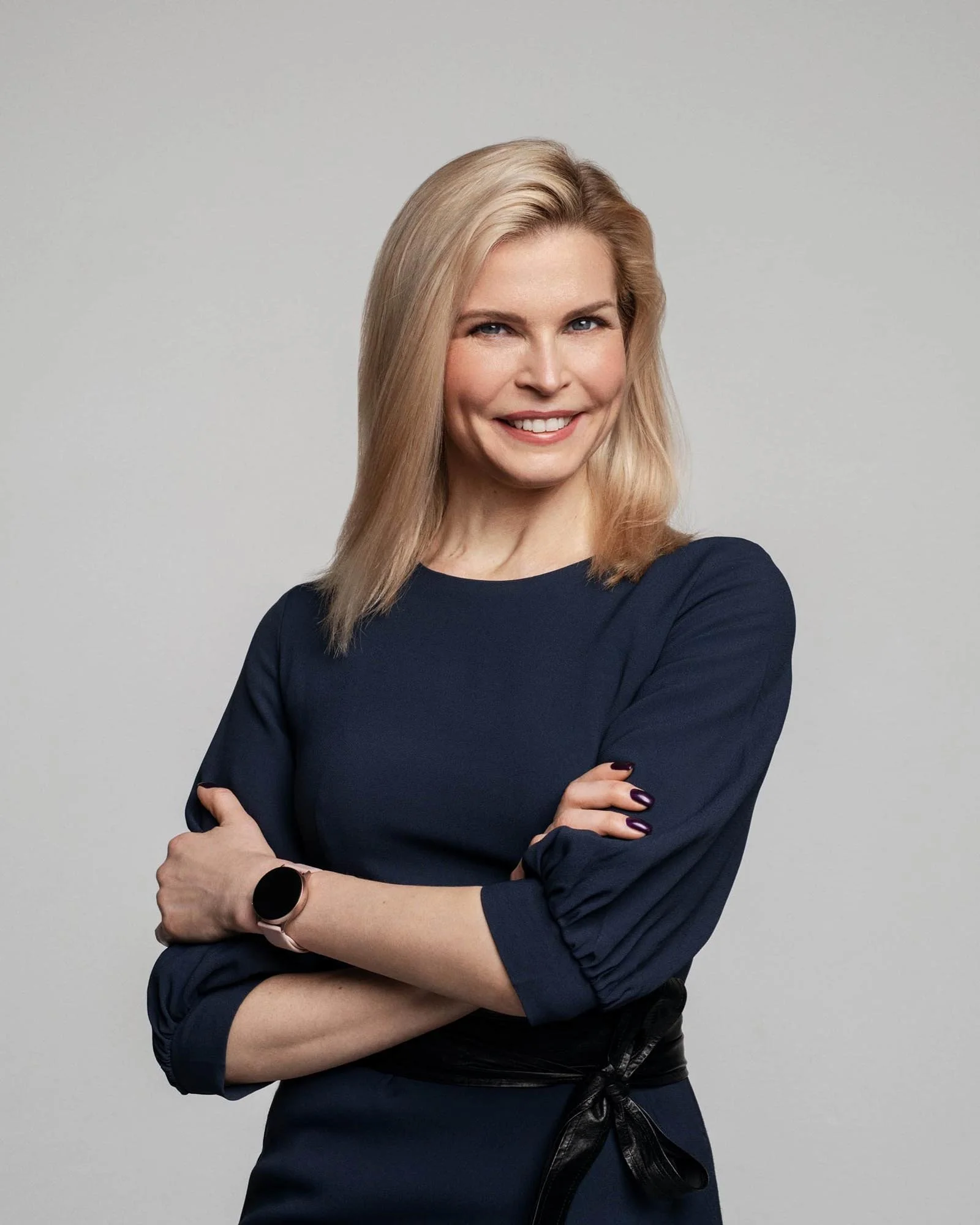
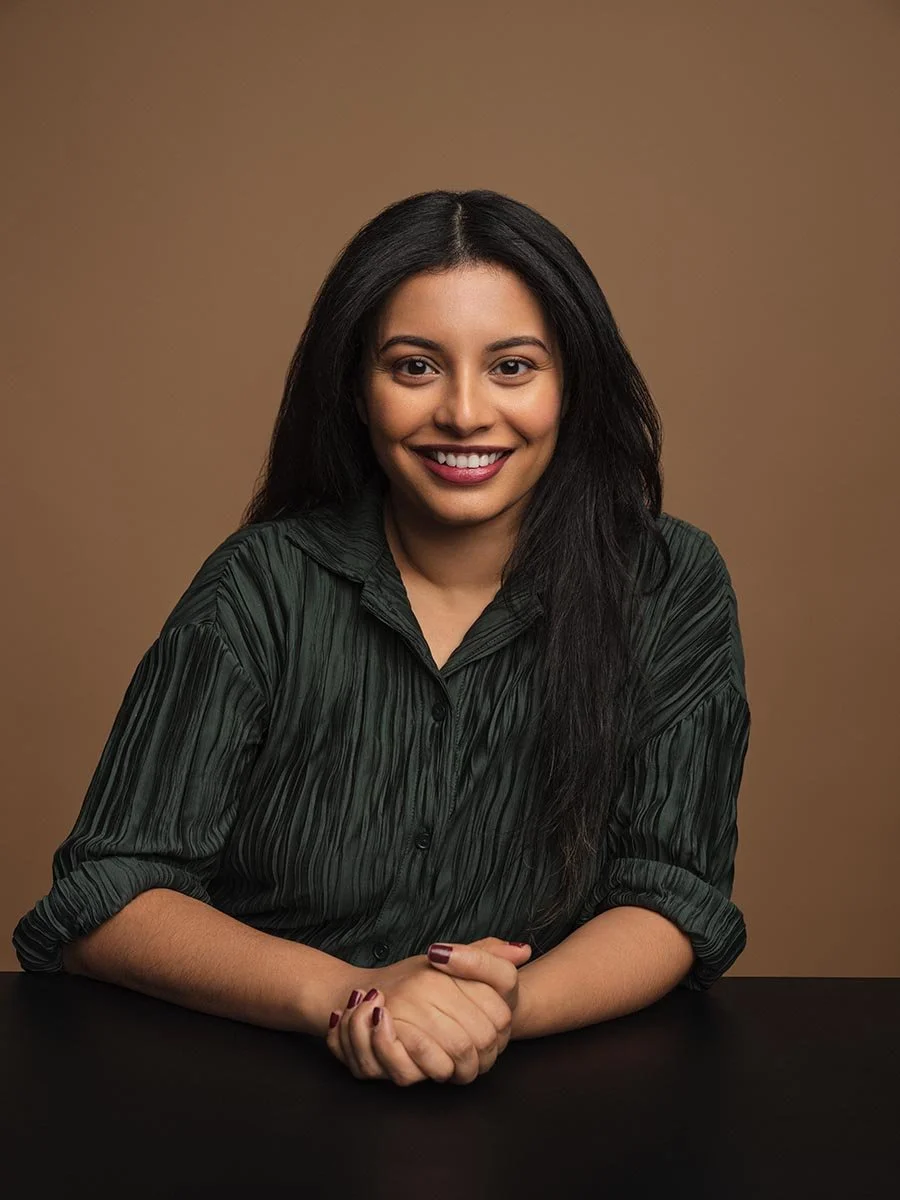
Core safe colors include navy, deep blue, charcoal gray, rich mid-gray, forest or deep olive green, muted teal, burgundy, and jewel tones like emerald green, plum, and deep rust. These medium-to-dark tones frame the face without overpowering your skin tone. Medium to dark colors are recommended for professional headshots, as they provide contrast and definition. They keep the viewer’s eye where it belongs: on your eyes, which should be the brightest focal point in the frame.

Why do darker colors work so well? They provide better edge definition against skin, reduce digital noise in high-resolution files, and direct attention upward. Bright colors and neon colors compete with your face. Bold colors can work, but they require careful matching. Lighter colors wash out under studio lighting if you are not careful. Lighter complexions can be especially affected by pale or pastel colors, which may wash out their features in photographs, so tailored wardrobe selections are important.

Avoid pure white clothing near the face on a light background. It can blow out and create harsh contrast. Pure black on a dark background creates the floating head effect, where your body disappears. Better alternatives: off-white, ivory, soft cream, or charcoal instead of true black.

A quick undertone guide: cooler skin tones (veins appear blue) photograph well in navy, emerald, and plum. Warmer skin tones (veins appear greenish) look great in deep rust, olive, and warm teal. That said, navy and charcoal work for roughly 90 percent of complexions. When in doubt, go navy. When even more in doubt, go a shade darker than you think you need.

Patterns, Logos, And Textures: Where Things Go Wrong Fast

Our retouching team spends more time fighting bad patterns and logos than almost any other wardrobe mistake. The camera is ruthless.

Stick to solid colors or extremely subtle patterns. Micro-herringbone, faint checks, or a soft wide stripe that reads as solid from a few feet away are fine. Anything else is risky.

What to avoid wearing:

  • Tight patterns and tiny pinstripes that create moiré effects on digital sensors

  • High-contrast plaids, polka dots, and busy patterns

  • Loud florals and anything visually chaotic

  • Visible logos or text, especially for corporate headshots or PR usage

Tight patterns are particularly problematic. At 85mm focal lengths, which are standard for headshots, pixel grid aliasing creates interference patterns that look terrible on screens. Our retouchers report spending 40 to 50 percent more time correcting these issues.

Use texture instead of pattern to add visual interest. Knit sweaters with light ribbing, textured wovens, matte silk, and structured suiting fabrics all photograph beautifully in close-up. They add depth without distraction.

If you absolutely love a patterned blouse or shirt, layer it under a solid blazer or sweater so only a small area shows. Keep the face as the clear focal point.

Fit, Layers, And Necklines: How To Look Sharp Without Suffering

Choosing the Right Fit

Fit beats fashion every time. A USD 100 blazer that fits properly outperforms a designer jacket that slouches on camera. We see this constantly.

Select clothes that skim the body without pulling. Slightly tailored silhouettes work best for jackets, shirts, and dresses. Avoid anything overly tight or loose clothing that adds bulk. Check for gaping buttons, especially when seated, as many headshots are shot from a slightly seated position.

Layering for Structure

Layers are your friend. A tailored blazer over a blouse or knit, a sport coat over a shirt, a cardigan over a tee all provide structure and posing flexibility. Layers photograph well because they add dimension and give us more options on set. Data from recent style guides shows layered looks increase perceived confidence scores by about 25 percent in viewer surveys.

Selecting Necklines

Necklines matter more than people realize. Necklines refer to the shape of the opening at the top of a shirt or dress. V-necks, scoop necks, or collared shirts are recommended because they flatter your face shape and elongate the neck, making them ideal for headshots. V-necks are universally flattering, while crew necks provide a clean look suitable for headshots. High crew necks or turtlenecks can crowd the jawline, depending on your body type. They work for some people but not everyone. Test both standing and seated before you pack your bag.

Long sleeves almost always photograph better than short sleeves for professional headshots. They create cleaner lines and avoid the awkward crop at the bicep that happens in tight frames.

By Industry: What To Wear So You Look Like You Belong

This section is a quick industry reference for PR, HR, employer brand leads, and executives planning shoots across multiple departments.

Corporate, Finance, and Legal

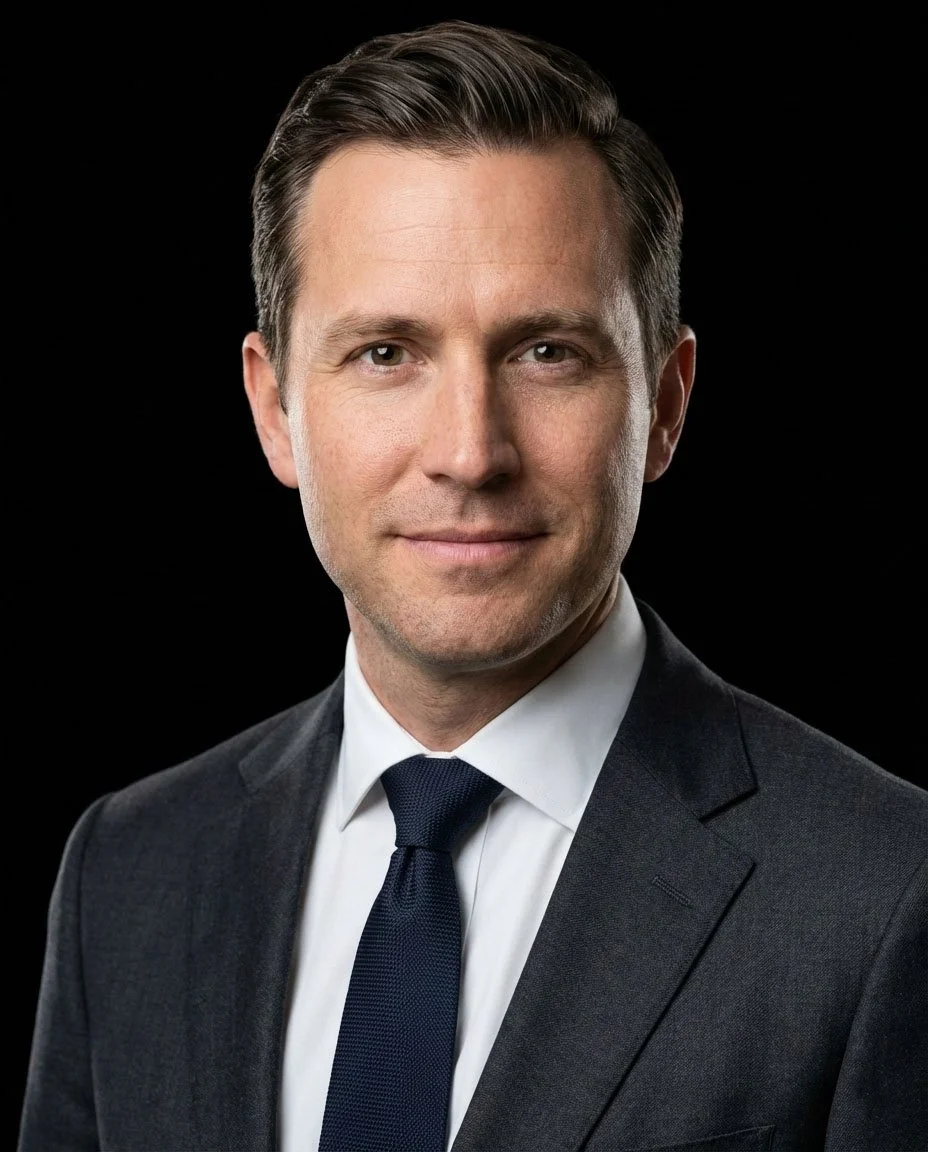
A dark suit in navy or charcoal remains standard. When considering what to wear for professional headshots in these industries, formal attire such as tailored blazers and dark suits is expected to convey professionalism and align with executive and board portrait standards in NYC. Pair it with a white shirt or light blue shirt for men, or simple shells and blouses in soft jewel tones for women. Ties are still common for NYC finance and law partners but optional for in-house roles. The traditional headshot in these industries leans formal. If the pattern reads solid from six feet away, it is probably fine. A suit jacket is expected in annual reports and pitchbooks. When in doubt, overdress.

Tech, Startups, and Agencies

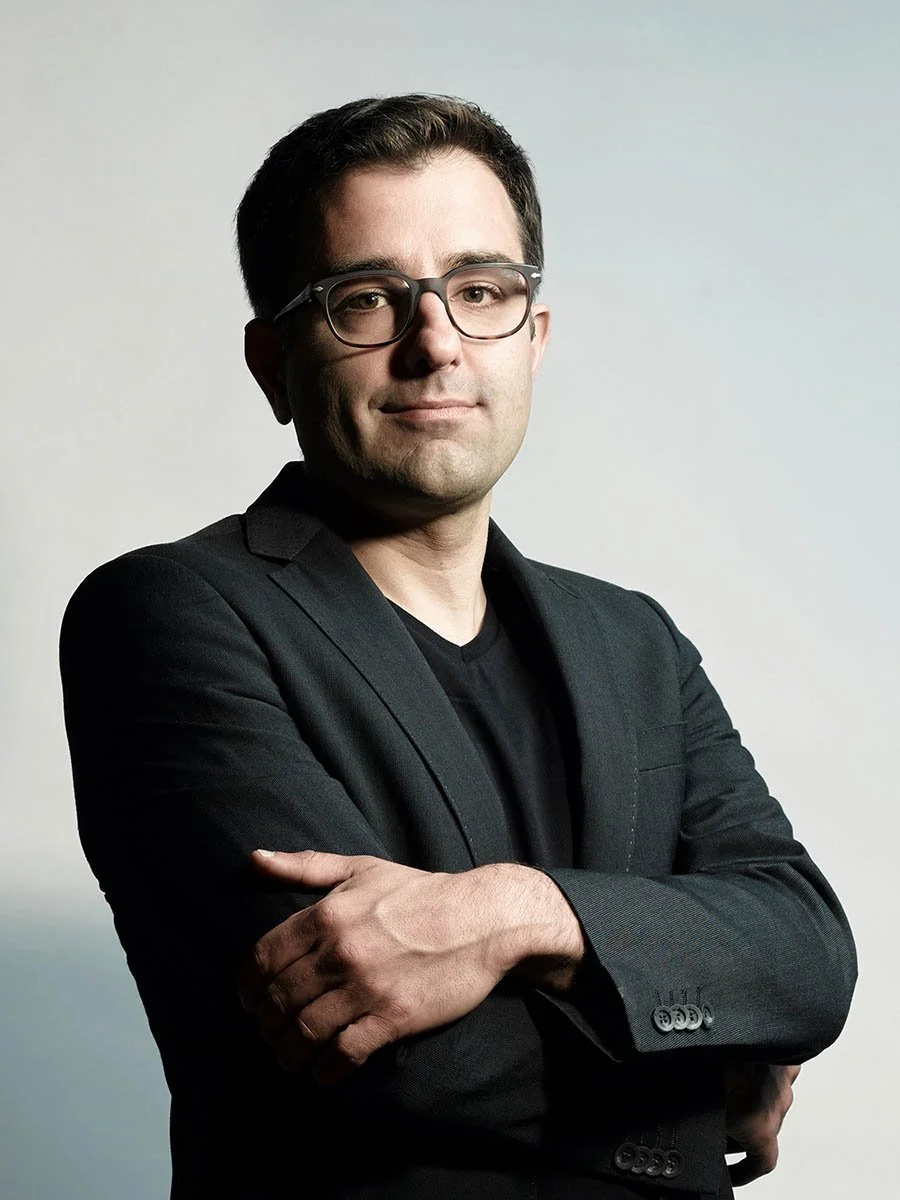
Elevated smart casual works here. Think fitted button-downs, fine-gauge knits, simple dresses with a lightweight blazer, high-quality crew or polo tops. Full suits can look like costume in some startup cultures. Hoodies are acceptable if they are sharp and premium, not college dorm. The goal is polished but relaxed, someone you would trust to ship product.

Healthcare and Life Sciences

Physicians and clinicians should bring a clean, pressed white coat layered over solid tops in blue or green, colors that read calm and trustworthy. Non-clinical leaders lean into business or business-casual in muted tones and neutral colors. Avoid anything that competes with clinical credibility.

Creative, Media, and Entertainment

More personality is welcome. Jewel tones, interesting silhouettes, or a single statement piece can work. But still follow the no neon, no tiny patterns, no giant logos rule. Your photos need to remain usable for press and platforms. A balance of personality and professionalism is key.

Nonprofit, Public Sector, and Education

Professional yet approachable. Soft blazers, knits, and dresses in warm neutrals and neutral tones feel human and accessible. These images often face donors, community members, and the public. Warmth matters. Avoid anything too corporate or stiff.

Hair, Makeup, And Grooming: Camera-Friendly, Not Red-Carpet

In NYC studios, we shoot high-resolution files in controlled natural light and studio lighting. The camera is extremely kind to good grooming and extremely honest about everything else.

Makeup

Aim for a polished day version rather than experimental glam. Even skin tone, light contour or bronzer, defined brows, and a lip color one or two steps richer than everyday. Black mascara defines the eyes without overdoing it. Avoid pastels on the lips unless they genuinely suit you. Matte or satin finishes are easier to retouch than sparkly or glossy textures, which add time and cost. Translucent powder on the T-zone prevents shine under lights.

For Men and Masculine Looks

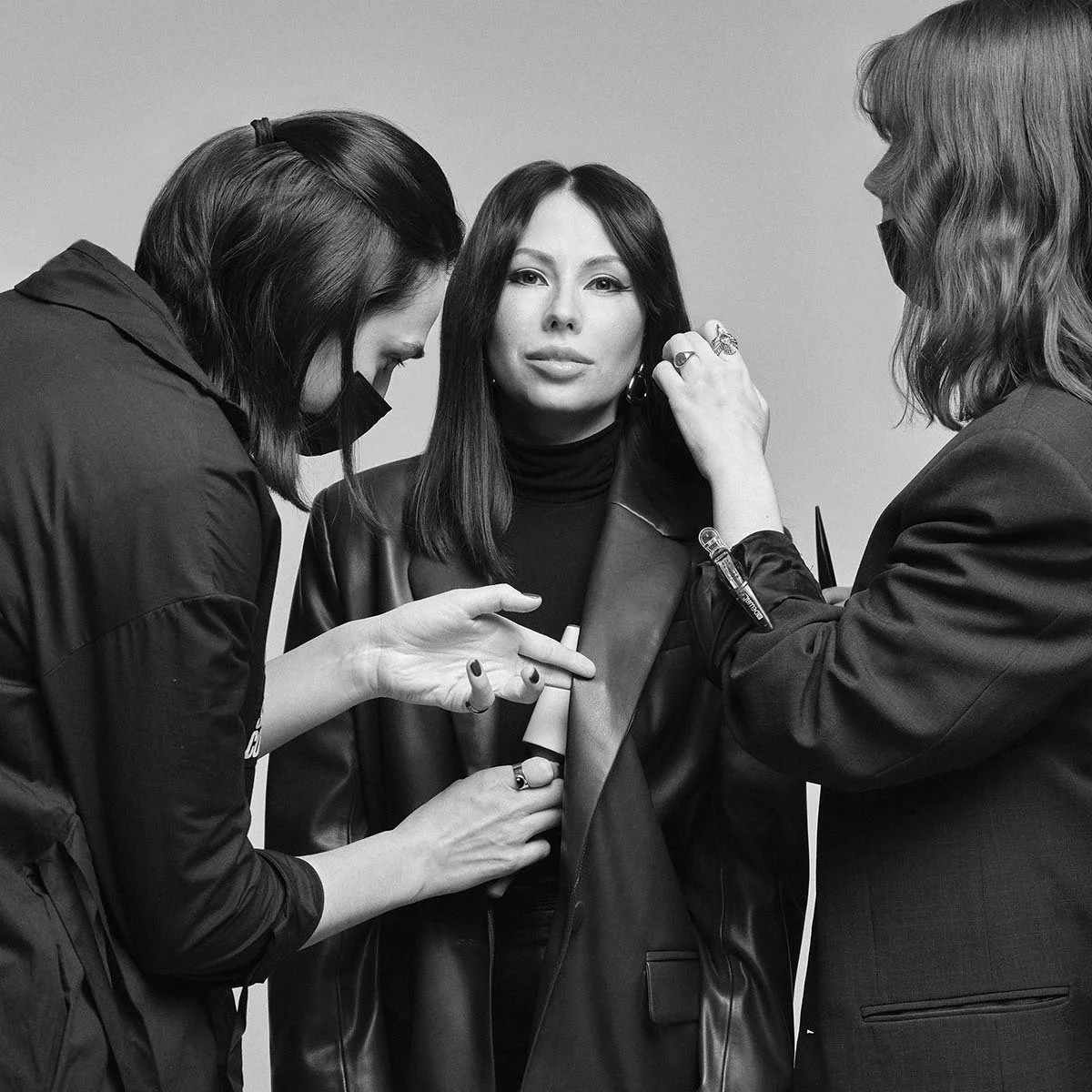
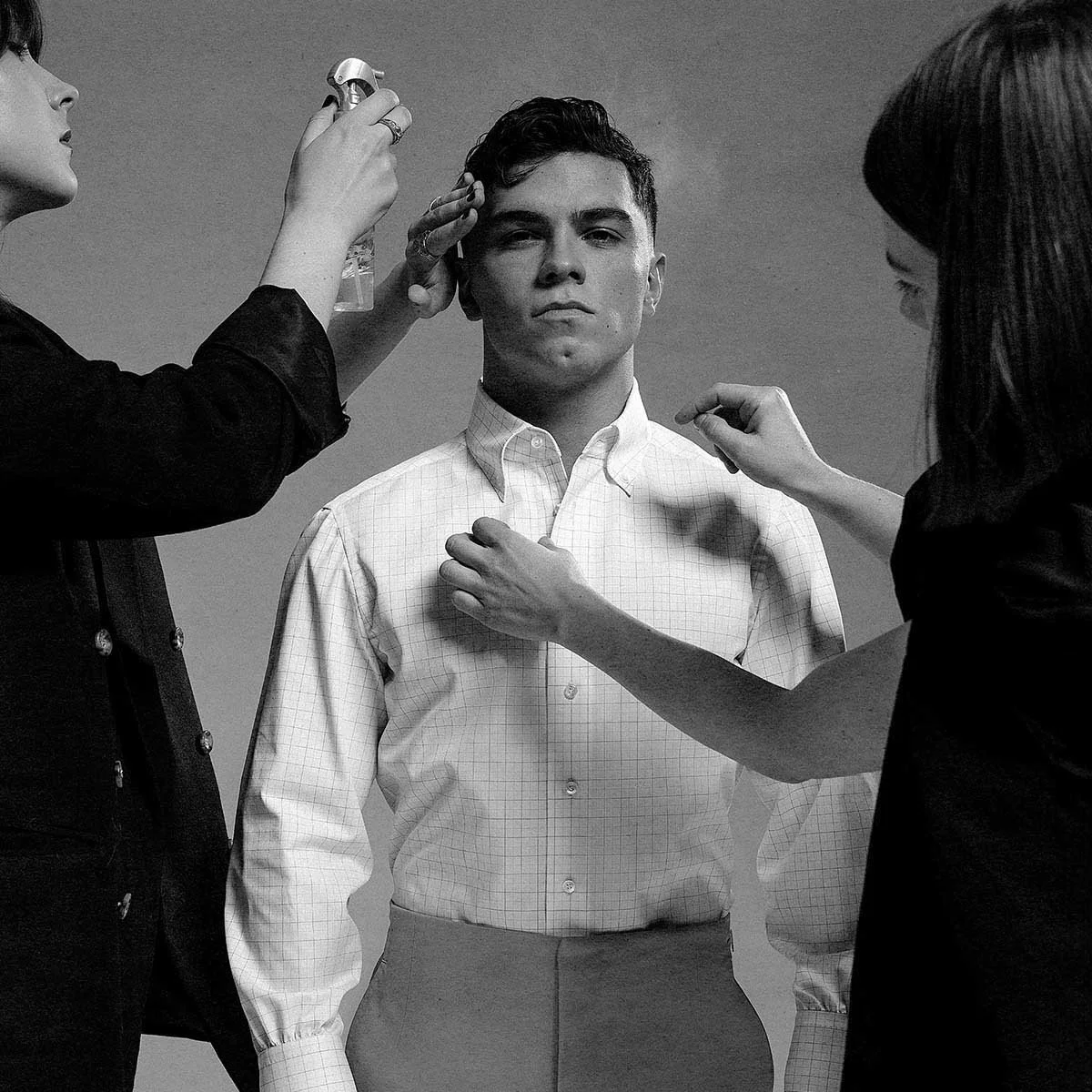
Schedule haircuts three to seven days before the photo session to avoid the just cut look. Make clear choices on facial hair: clean shave or intentionally groomed beard. In-between stubble reads as indecision on camera. A quick powder or blotting paper reduces shine on the forehead and nose. Our photographers from a photographer’s perspective confirm these small details make a huge difference.

Hair

Come with hair in its usual good day style. Do not try a brand-new cut or texture that week. Bring a comb, brush, styling product, and hair ties or pins for on-set tweaks. We have tools available, but you know your hair best.

Details

Neat brows, neutral or tidy nails, attention to visible details like beard lines, lipstick on teeth, and stray pet hair. Our team always does a quick check, but prep at home saves time. Wrinkle free clothing and lint-rolled fabrics signal attention to detail.

Accessories, Glasses, And Jewelry: Let Your Face Win

Accessories should support the image, not steal the scene. For executive, board, and PR headshots that may run everywhere from LinkedIn to press features, restraint wins.

Jewelry

Jewelry should be simple and understated in professional headshots to avoid drawing attention away from your face. Small studs, delicate hoops, simple necklaces, classic watches, and understated rings work well. Oversized statement pieces, huge earrings, and very shiny or noisy jewelry pull the eye away from your face. Less is usually more.

Glasses

If you wear glasses daily, wear them for your headshot session. Your professional identity includes them. Anti-reflective coating helps if possible. Clean lenses thoroughly. Choose frames that do not sit too low or cover your eyes. On set, we adjust angle and light to reduce glare. Let us know if you wear glasses so we can plan accordingly.

Accessories with Branding

Avoid visible branded lanyards, slogan pins, and large logo belts or scarves unless your company brand specifically requests them for employer branding purposes. These date quickly and distract from the face.

Final Tip

The one thing off rule, a light nod to Coco Chanel, suggests removing at least one accessory before leaving for the studio. If you put it on, take one thing away. The focus should stay on expression, not embellishment.

Team And Company Headshots: Coordinating Without Cloning

Most of our work at Match Production involves full-team or multi-office headshot rollouts for corporate and executive headshots in NYC. Rebrands, new careers sites, and leadership page refreshes all require wardrobe consistency without looking like everyone raided the same closet.

Set one level of formality for everyone. All blazers, or all smart casual, or all medical coats. The grid of faces on your website should look intentional, not chaotic. When team members show up in wildly different styles, the final result looks like a random collection rather than a cohesive look.

Suggest a simple color palette. Navy, charcoal, soft white, and one accent color from the brand guidelines works well. Avoid strict uniforms like everyone in the same outfit. That looks forced and oddly dystopian. Shared palettes reduce visual mismatches by about 40 percent compared to free-for-all approaches.

HR and employer brand teams should share a short wardrobe guide before shoot day. Include two to three photo examples, clear dos and don’ts, and reminders about steaming, lint-rolling, and avoiding logos. We often draft this guide for clients. It saves time and prevents day-of panic.

For hybrid and multi-city teams, we keep a visual reference board so photographers in New York, San Francisco, and remote sessions all match the same wardrobe tone and background family. Consistency across locations matters for the final company brand presentation.

Avoiding Common Mistakes: What Trips People Up Most

Busy Patterns

Even the most confident professionals can stumble when it comes to headshot attire. After years of watching what works—and what doesn’t—on camera, I can tell you that a few common mistakes trip people up more than anything else.

The biggest culprit? Busy patterns and tight patterns. These might look sharp in person, but under studio lighting and high-resolution cameras, they become distracting and can even create strange visual effects.

Color Pitfalls

The same goes for bold colors and neon colors—while they might express personality, they often overpower your face and clash with your skin tone, pulling attention away from you.

Fit Mistakes

Loose clothing is another frequent misstep. While comfort is important, overly relaxed outfits can read as sloppy or unprofessional in your headshots. Instead, opt for clothing that fits well and flatters your body type, helping you look polished and put-together.

To keep your professional headshots focused on you and your personal brand, stick to solid colors, neutral tones, or muted tones. These choices are universally flattering and help keep the attention on your expression and eyes. For a pop of color, jewel tones like emerald green or deep blue work beautifully—just make sure they complement your skin tone. If you’re unsure, try holding different tops up to your face in natural light to see which shades make your features stand out.

Practical Prep: The Day-Before Checklist

This is a no-drama checklist PR and HR leads can send to everyone in their calendar invite the week before the shoot.

Wardrobe

  • Choose outfits two to three days before

  • Try them on under daylight, not just bedroom lighting

  • Check for gaping buttons, transparency, and stains

  • Steam or iron everything the night before

  • Test fit sitting and standing

Logistics

  • Transport clothes on hangers or in a garment bag

  • Bring a lint roller and small grooming kit

  • Pack a backup top that fits the same look

  • Arrive with multiple outfits to give yourself options, especially if you are booking same-day headshot sessions in NYC

Sleep and Hydration

  • Eight hours of sleep and plenty of water do more for a headshot than any filter. Under-eye circles are fixable in post. Tired posture is not. Show up rested.

Virtual and Office Pop-Up Sessions

  • These rules still apply for in-office headshot days and high-end virtual setups. The camera sees the same frame even if we are not in a Manhattan studio. The right outfit and how many outfits you bring still matter.

Tips For A Successful Headshot Session

A great headshot session starts long before you step in front of the camera. Preparation is key—not just for your outfit, but for your mindset and overall presentation.

Start by selecting clothing that aligns with your personal brand and the industry you’re in. For corporate headshots, you can’t go wrong with a tailored blazer, a light blue shirt, or a charcoal gray suit. These classic choices project confidence and professionalism without overpowering your features. If you’re aiming for a more approachable look, muted tones and neutral colors are always safe bets, as they flatter most skin tones and keep the focus on your face.

If you wear glasses every day, wear them for your headshot session. They’re part of your professional identity and can add a touch of personality to your photos. Just make sure the lenses are clean and the frames sit well on your face.

When it comes to grooming, keep your hair looking natural and healthy—shiny, not stiff. Avoid heavy makeup or bold lip colors that might distract from your expression. A little translucent powder can help control shine under studio lighting.

Bring multiple outfits to your photo session—ideally two to three options. Include a formal look (like a tailored blazer or suit), a smart-casual option, and something with a bit of color or texture if you want variety. This gives you flexibility and ensures you’ll have choices that work with different backgrounds and lighting setups, which is especially useful for LinkedIn-focused headshots for NYC professionals.

Working With Us In NYC: Wardrobe Help Included

At Match Production, we typically include personal styling consultation for larger headshot projects. We review brand guidelines, usage needs, and sample images, then build a wardrobe brief your team can actually use.

For individual executives and founders, we often review three to five quick phone photos of possible outfits the week before. Clients arrive knowing what will work on camera. No guessing, no last-minute panic.

For reference, our Individual Standard Session runs around USD 600 for NYC executives, with scope and retouching affecting final pricing. Corporate team rates depend on headcount and location.

Ready to plan your session? Email hello@match-production.com with your timeline, team size, and a link to your current About page. Or request a booking link if you already know your dates.

Wardrobe decisions do not have to be perfect in advance. On set, we fine-tune combinations and adjust to background and lighting in real time. That is part of the service.

FAQ: What To Wear For Headshots

How many outfits should I bring to a headshot session?

For most NYC studio or office sessions, two to three tops or full looks are ideal. Bring one formal look, one smart-casual option, and an optional third that leans colorful or creative. Too many changes eat into shooting time, so for tight corporate schedules we usually cap changes and focus on nailing a smaller set of strong looks. Team members should check with HR or comms leads first, since some companies set a specific dress code and color palette for consistency.

Is it okay to wear black in a headshot?

Black can look sharp on camera, especially in New York. But it needs contrast: a lighter background, some visible neckline or shirt, and good separation from hair if your hair is dark. If the background will be a dark background, choose charcoal or very dark navy instead to avoid the floating head effect. For very formal industries, a black blazer or dress is fine as long as it fits well and is paired with something lighter near the face.

What should I avoid wearing for professional headshots?

The main items to skip: neon colors, tight tiny patterns, large logos or text, overly trendy pieces you will hate in 18 months, and anything see-through or clearly wrinkled. Avoid clothing that matches your skin tone too closely, which makes your jawline disappear. Skip anything you constantly tug or adjust in real life. That discomfort shows in posture and expression. Loud colors and busy patterns distract from your face. There are no fast rules, but these guidelines keep most people safe.

Do I really need a blazer, or can I skip it?

Blazers are expected in traditional finance, law, consulting, and some C-suite roles. For annual reports and media kits, a formal look with a jacket is standard professional attire. In tech, creative, and many in-house roles, a well-fitted knit, shirt, or dress without a blazer can look flattering and professional if the color, fabric, and fit are strong. Bring a blazer even if you are unsure. We can shoot frames with and without, then choose what fits your personal brand and industry best.

What if my company is doing headshots but my personal style is bolder?

Lean into the shared company palette for one look. Then push into color, texture, or accessories for a second look that respects the brand but feels more like you. Talk with PR or employer brand teams in advance if you hold a visible role. Founders, spokespersons, and heads of comms need clear guardrails before shoot day. We balance cohesion and individuality on set all the time. It is possible to look like yourself and still fit the overall brand visual language. That is a personal branding session done right.

Final Note

Choosing what to wear for headshots is about clarity, not perfection. Clean lines, solid colors, good fit, and authenticity to your role and industry. That combination beats any trend or rule. Get the basics right, show up rested, and trust the process.


By Lisa,

keeper of the call sheet and the color swatches.

Next
Next

Brooklyn Portrait Photographer