Do You Have to Wear Makeup for Headshots?
TL;DR: You do not need to wear makeup just because you are having a headshot taken. My advice is to start with the way you normally present yourself at work. Keep your familiar routine, wear none, or book an artist if you want help creating a particular finish. Choose what feels like you, then let the photographer guide the portrait.
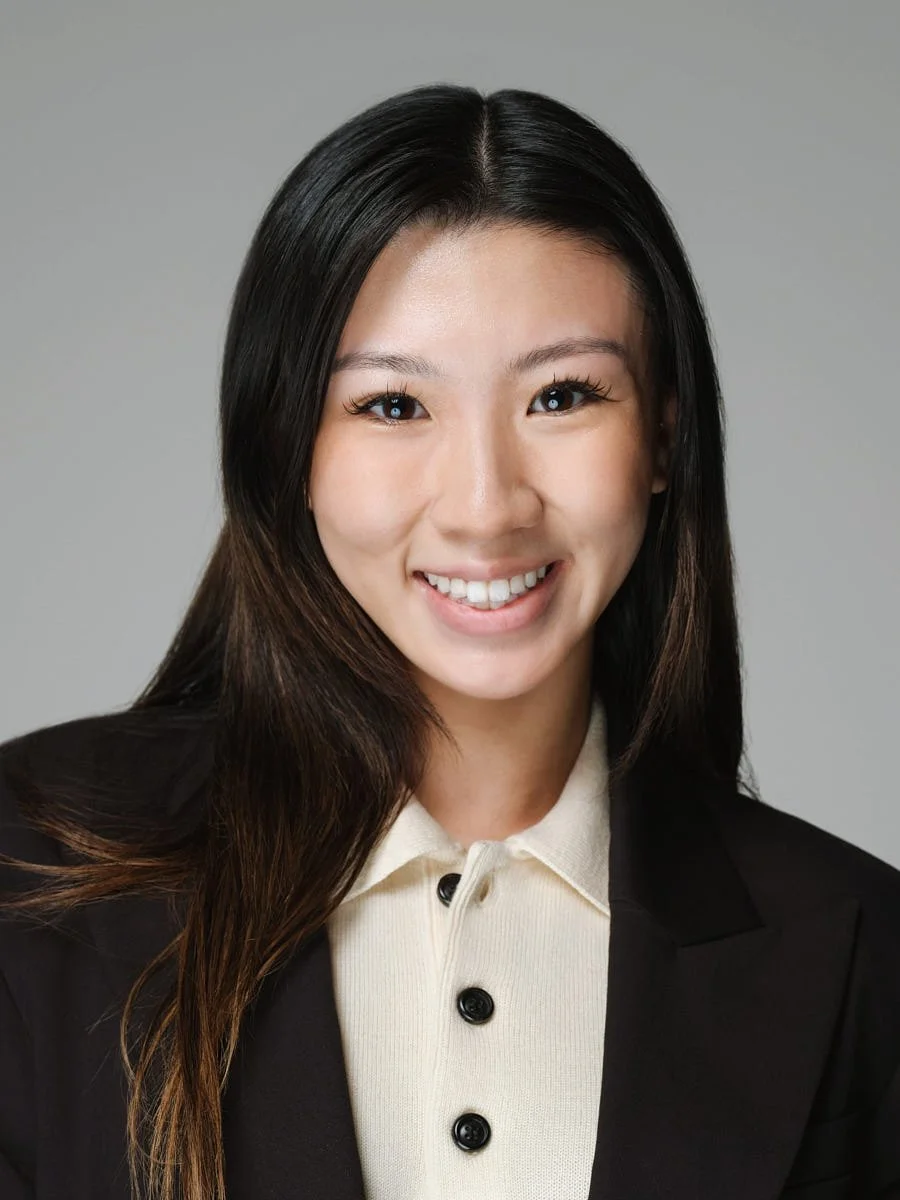
A headshot appointment does not need to become a beauty appointment. If you usually wear very little makeup, keep that familiar routine. If a defined lip or eye look is part of how you present yourself, keep it in mind when choosing your portrait style. Start with your own face and preferences.
Use details in the portraits below as references for the color, visible texture and grooming you would like in your own photograph.
Choose your approach to makeup
Start with three approaches before thinking about individual products. The useful question is whether you want to do your usual preparation yourself or have help with a look you have chosen.
| Your preference | My recommendation | What to prepare |
|---|---|---|
| I do not normally wear makeup. | Keep that choice for your headshot if it feels right to you. | Your usual grooming routine and any familiar items you want for a quick tidy-up. |
| I like my everyday makeup. | Start with that familiar look. | The items you already use for touch-ups, plus a reference if you want to explain a detail. |
| I want help applying or planning a specific look. | Consider booking a makeup artist. | A reference, your preferences, and confirmation of the service, cost and appointment timing. |
None of these choices needs to be assigned by gender, age or job title. If your employer has a portrait brief, use it to understand the intended presentation. You can still explain how you want to look within that brief.
How much makeup should you wear?
Begin with an amount you recognize and feel comfortable wearing. There is no need to add heavier coverage simply because a camera will be there. Decide what you like about your usual look before deciding what to change.
For the overall finish, choose a reference you can describe. “I want my skin texture to stay visible” is more useful than “make me flawless.” If you prefer less shine, say that. If you like a soft sheen, say that too. These are appearance preferences you can discuss, not a checklist of things wrong with your face.
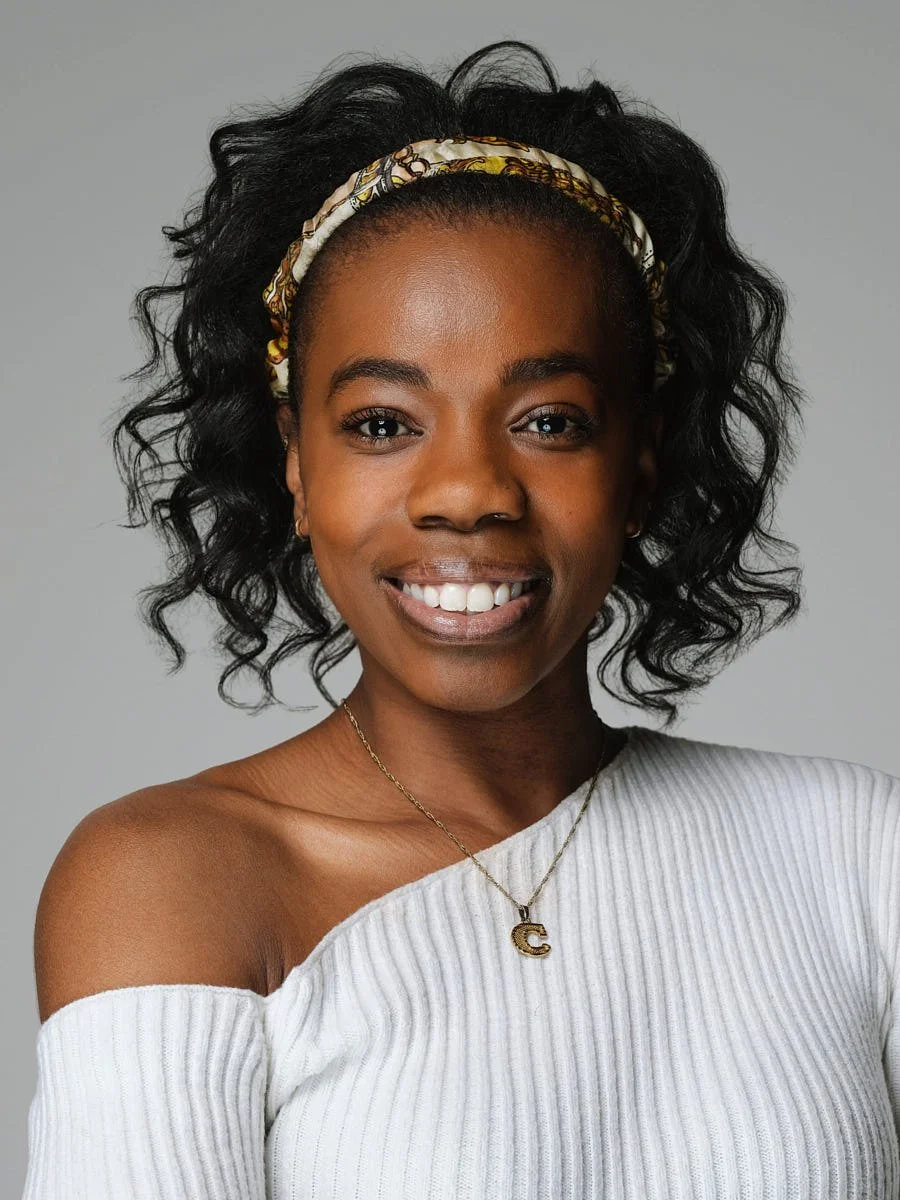
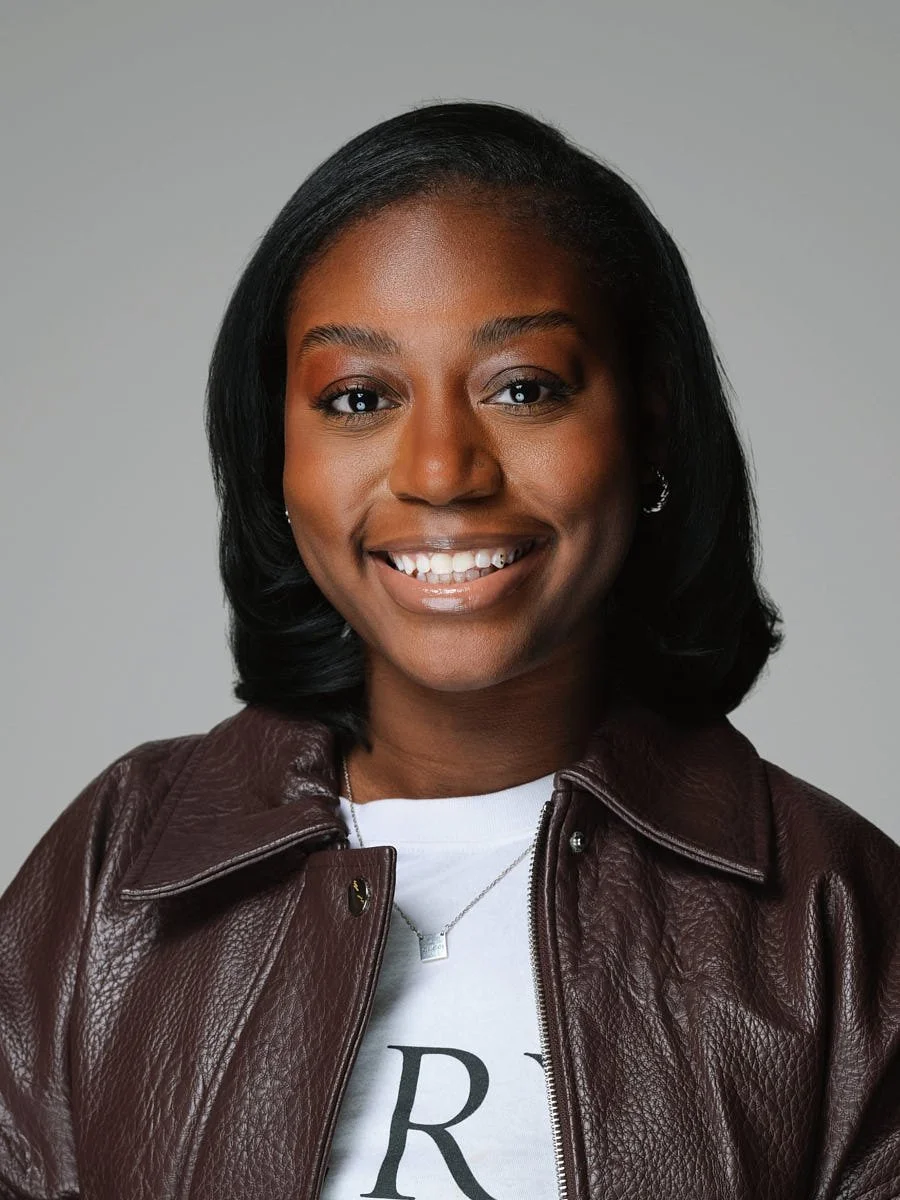
For color, choose a visible detail in a reference that you like. The two examples below show warm lip color with black hair and a darker outfit, and a deeper lip color with a green shirt. Use that detail to explain whether you want a restrained or more defined accent.
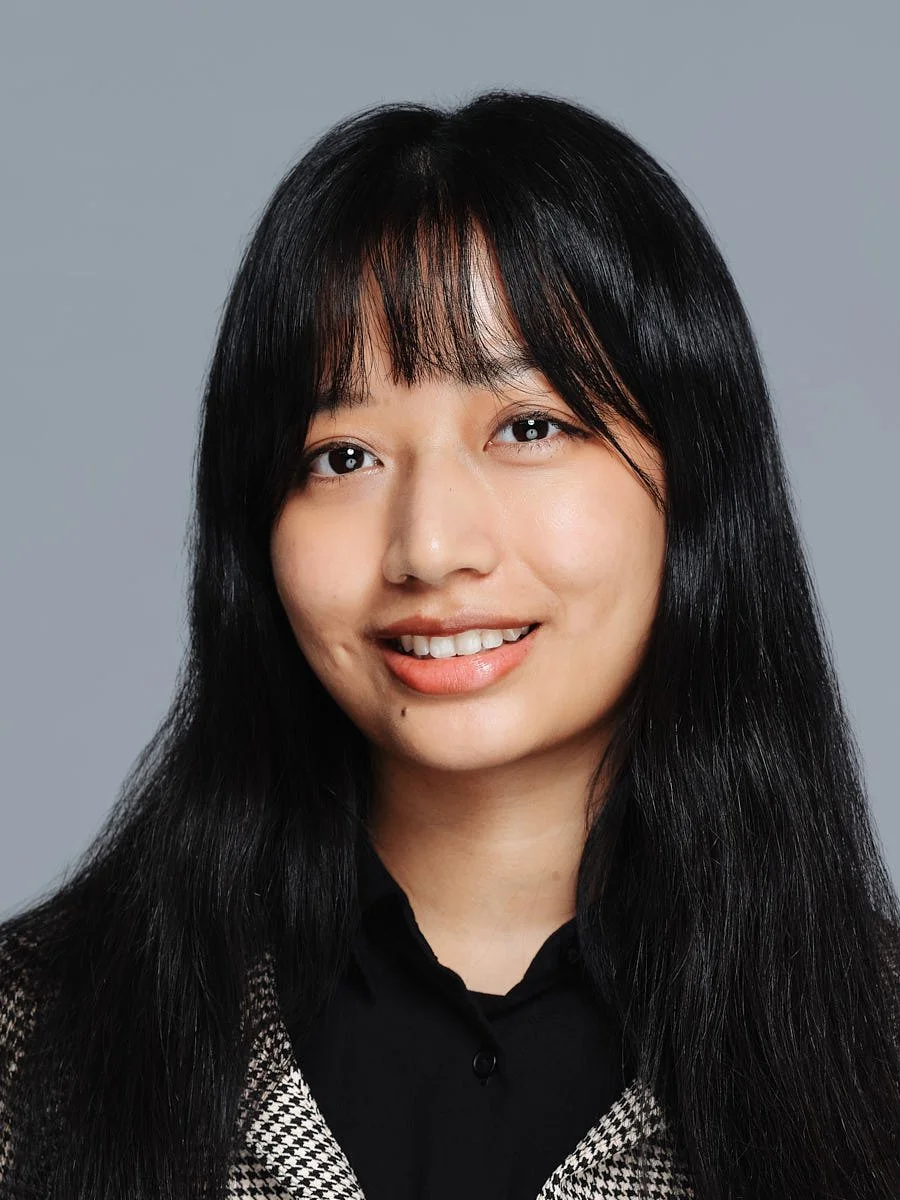
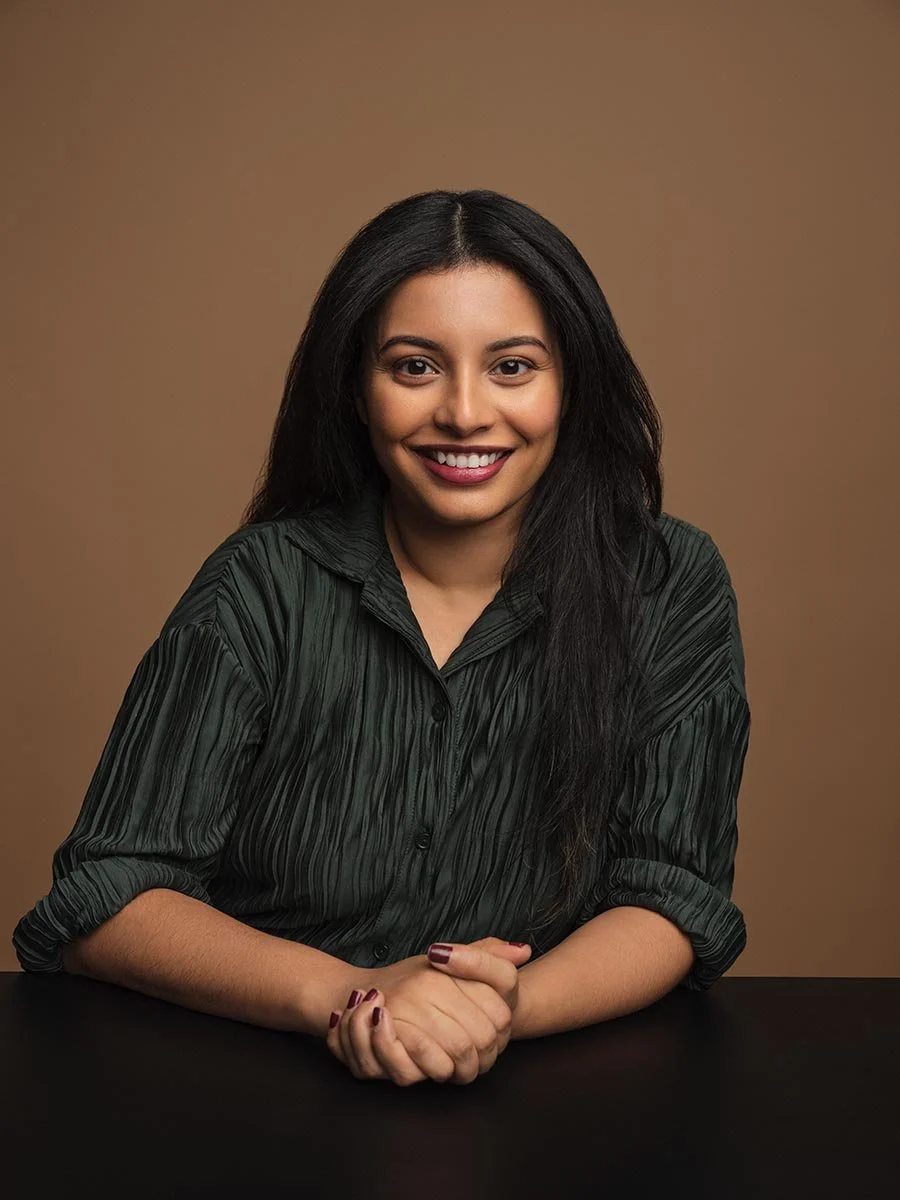
You do not need to copy either person. A useful reference might mean “this amount of lip definition,” while the hair, clothing and rest of the styling remain your own. For outfit decisions, use the separate guide to what to wear for headshots.
When is a makeup artist useful?
I would consider an artist when you want help applying a chosen look, want to discuss options with someone, or would simply prefer to hand over that part of preparation. Feeling comfortable doing your own makeup is an equally reasonable starting point.
Before booking, ask what the appointment covers: makeup application, hair styling, a brief touch-up, or some combination. Ask whether the artist stays during photography or finishes before the session. Confirm the cost and when you should arrive. These are questions for the selected service, not assumptions about what every photographer provides.
Bring a reference and explain what you want to keep familiar. You can ask for a quieter lip color, less definition around the eyes, or your usual hair part. Review the look together before moving into the portrait session.
Hair, facial hair and touch-ups
Keep the same preference-led approach for hair and facial hair. Choose a shape and style you are comfortable wearing at work, then pack the familiar items you use to maintain it. You do not need a new haircut or a different beard style for the sake of one photograph.
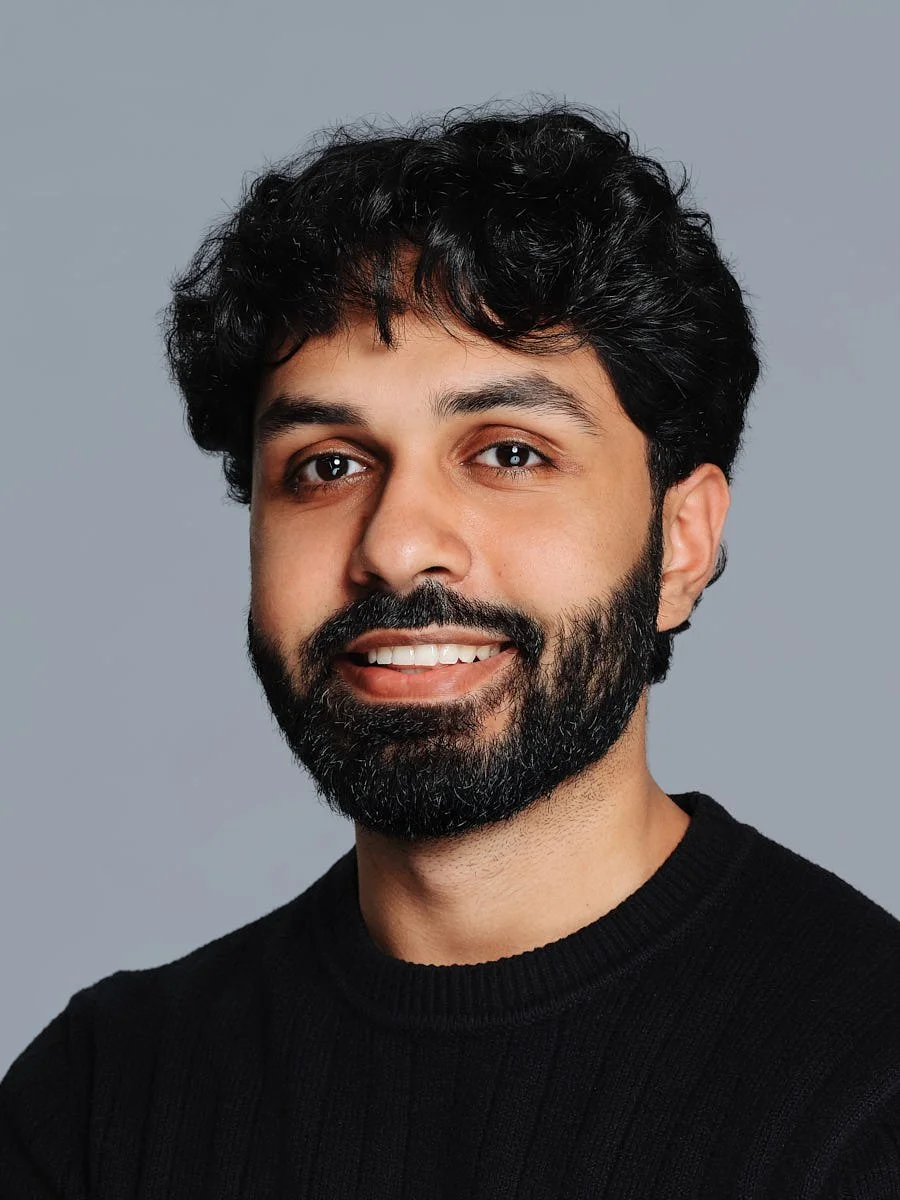
For a small kit, pack a comb or brush and whatever you already use for touch-ups. If that includes lip color, powder or blotting paper, bring it; if it does not, this is not a shopping list. Leave yourself time to settle in and check your appearance before the session.
Keep styling preferences and editing preferences separate. If you want freckles, lines or another personal feature preserved, say so in the retouching brief. The headshot retouching guide explains that later part of the process.
A short styling brief you can copy
Use this suggested wording for yourself, your photographer or an artist. Replace the brackets and leave out anything you do not need.
My headshot is for [company bio / LinkedIn / speaker page]. I normally wear [no makeup / my usual routine / a more defined look], and I would like to stay close to that. I like [specific detail] in this reference. Please keep [hair part, skin texture, freckles or another preference] familiar. If I book styling, please confirm what it includes and when I should arrive.
A short, specific note is enough. You do not need to know product names or describe a lighting setup to explain what you like.
Plan your studio session
A professional makeup artist can be added to a Match studio headshot session. Confirm the arrangement, cost and timing for your booking.
Choose the look you want to arrive with, and tell us if you would like an artist's help. You can compare individual professional headshot packages for the photography itself. Keep the preparation comfortable enough that you can stop thinking about it and take part in the session.