
Consistent Corporate Headshots: A Visual Standards Guide
Consistent corporate headshots come from a documented visual standard, not from making every person look identical. Define the background, lighting direction, crop, camera position, expression range, retouching level, and file requirements once. Keep the approved references so current employees and later hires can be photographed against the same brief.
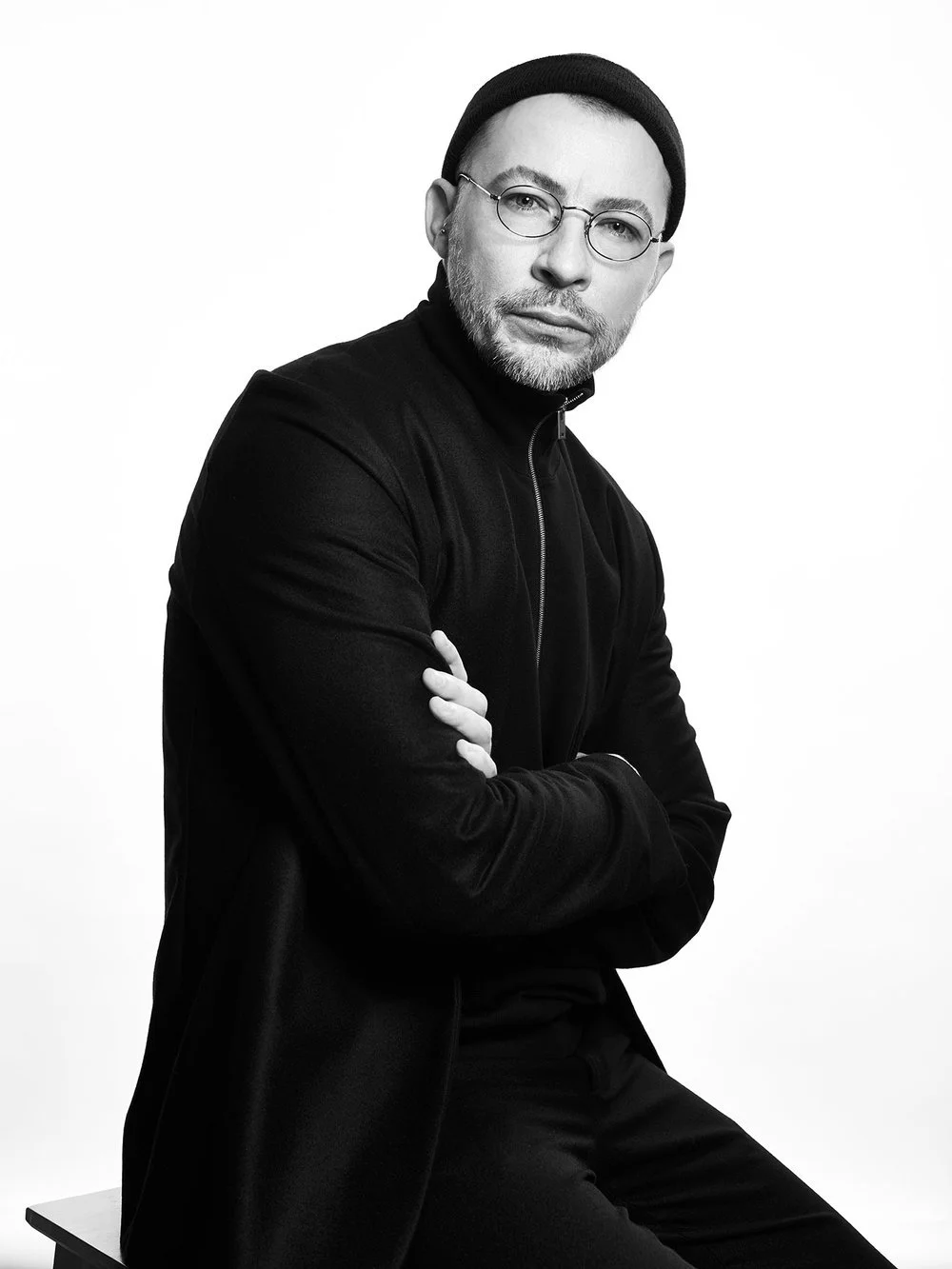
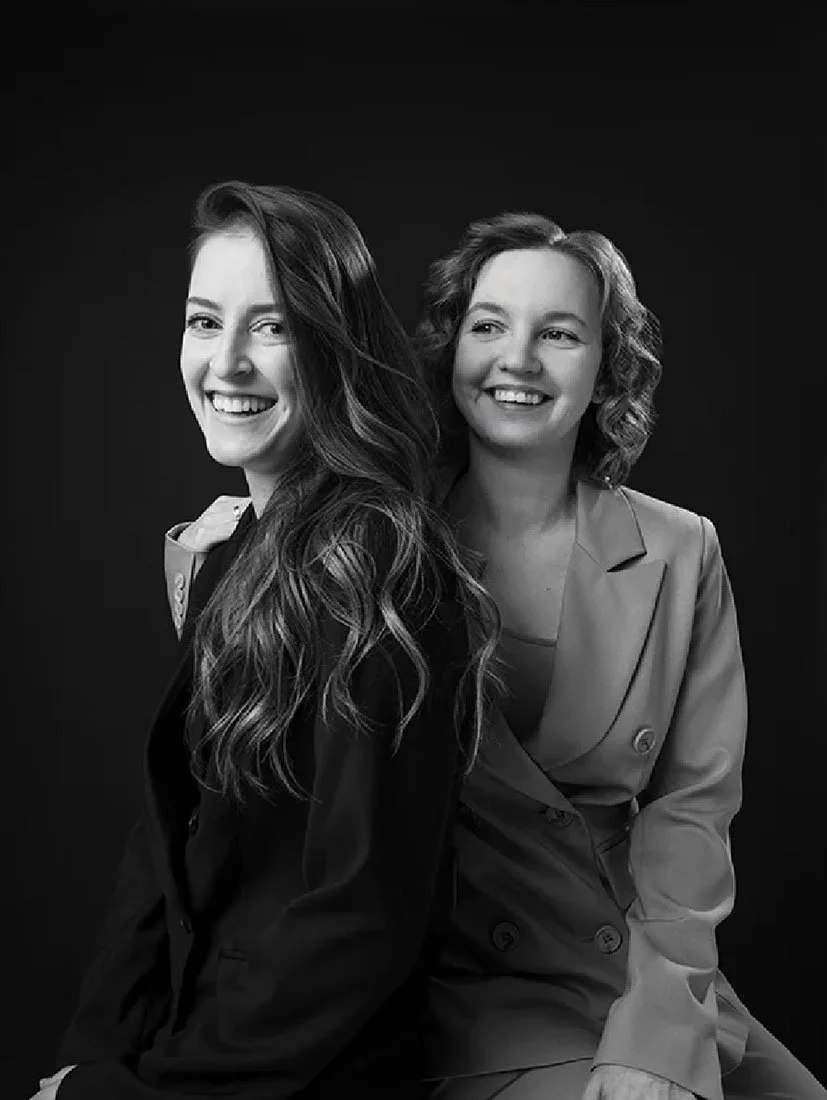

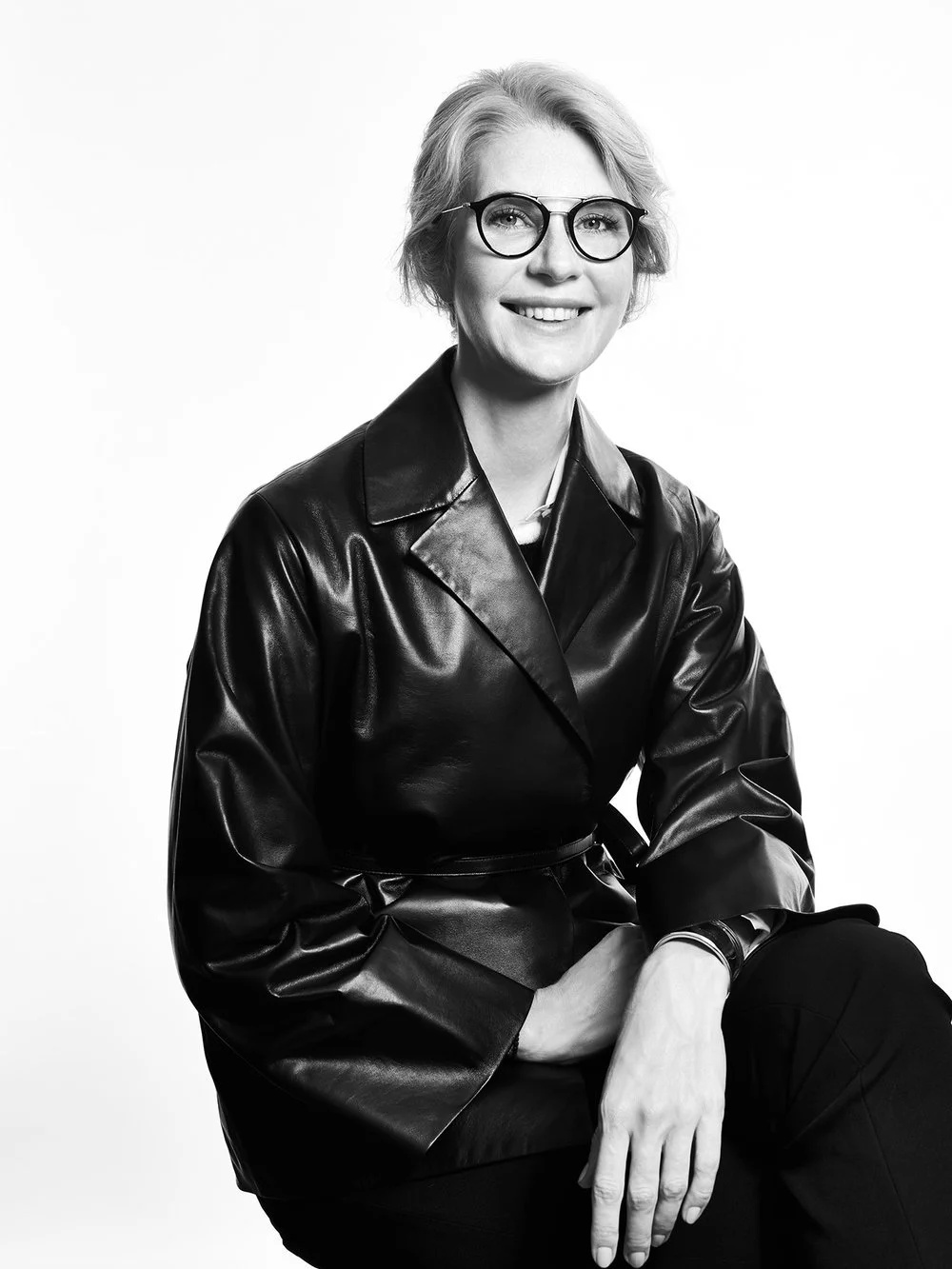

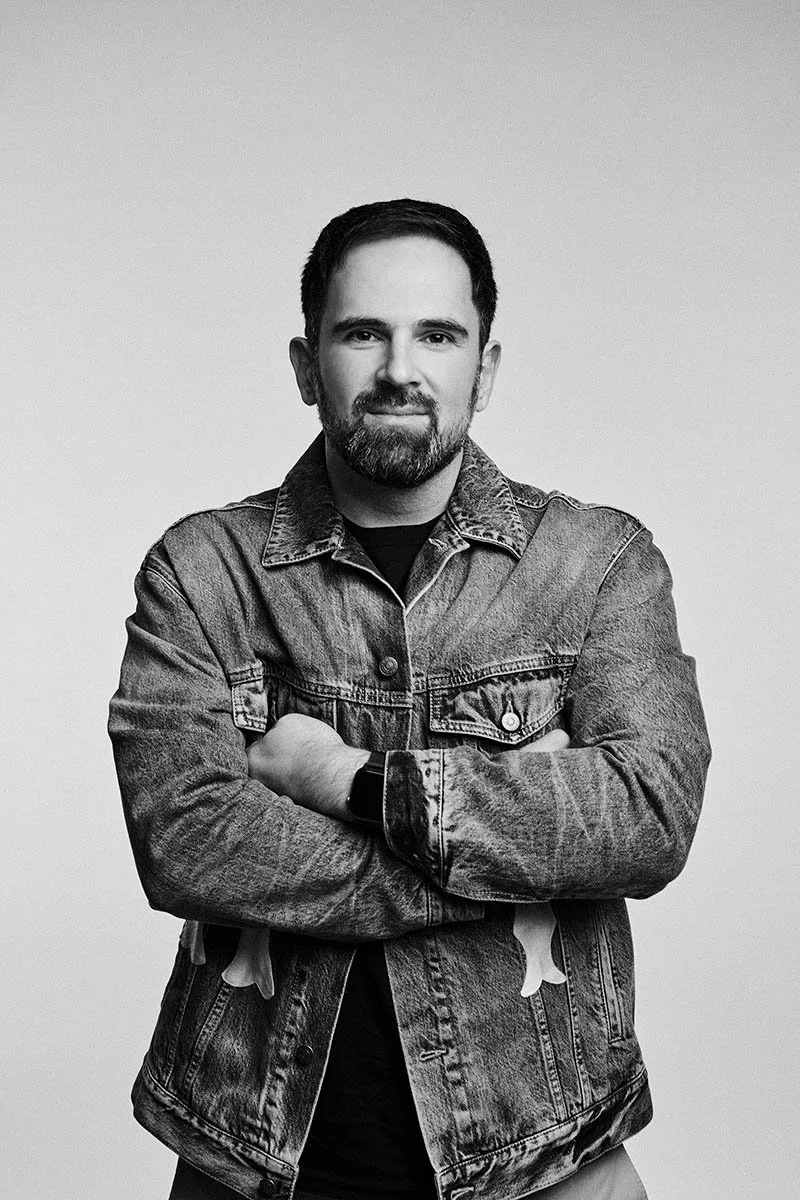



What a repeatable headshot standard includes
Background and lighting
Choose a background reference or color and record how much detail should be visible. Save the direction, softness, and contrast of the light so a later session can follow the same visual goal.
Framing and camera position
Specify the crop, headroom, shoulder position, camera height, and image orientation. If the website needs both a tight directory crop and a wider leadership portrait, list both uses rather than expecting one file to serve every placement.
Expression and posing direction
Set an expression range that fits the company without forcing one identical pose. Consistency can come from the frame, background, and light while the photographer adjusts posture and expression for each person.
Retouching and final files
Record the approved retouching approach, crop sizes, color space, file type, naming convention, and who receives the final files. Keep one approved portrait as a visual reference for the next session.
Create a handoff record for new hires
Store the brief with the approved references, final crops, background specification, and project contact. Add the photographer or provider, session format, selection owner, and any location constraints. A new coordinator should be able to understand the standard without reconstructing the first project from email.
Use the company headshot examples to choose a direction, then turn the selected references into written instructions.
Apply the standard across session formats
Studio sessions
A studio provides a controlled background and lighting setup. Save the approved reference and package details if employees will return on different dates.
Office photo days
An office session can use a portable backdrop or a workplace setting. Send room photos, access requirements, available hours, and the participant roster before the proposal is finalized. The room and schedule should be assessed for the intended setup instead of relying on a universal capacity rule.
Remote employees
Remote Headshots for companies can support employees in other locations. Share the same background, crop, expression, and finishing references, then confirm which parts of the visual standard can be matched in the remote format.
Leadership exceptions
If leaders need wider environmental portraits, press crops, or additional looks, document those as a separate layer of the brief. Keep the standard directory portrait available so leadership images still work with the wider team.
Assign decisions before the session
HR or People: roster, employee communication, arrivals, and later hires.
Marketing or Brand: visual references, crops, background, and final approval.
Internal coordinator: room access, schedule changes, and day-of questions.
Selection owner: gallery choices, retouching notes, and file handoff.
The staff headshot preparation guide provides a practical employee-facing checklist.
Prepare employees without over-standardizing them
Share the intended background, crop, and level of formality in advance. Give employees a practical wardrobe range and ask them to avoid details that conflict with the approved backdrop. The photographer can direct posture and expression during the session; employees do not need to memorize one pose.
Compare current team and corporate scopes
Current Team Headshots packages start at $1,449 for up to five people, with published options for up to 50 people. A managed Corporate Headshots program is scoped for larger rollouts. Use the selected package or proposal for participant limits, session time, image counts, delivery, and any office or remote requirements.
Questions to settle before booking
Which reference portrait is approved?
Which background, crop, expression range, and retouching level must repeat?
Who owns employee communication, selections, and final approval?
How will remote employees, absences, executives, and new hires be added?
Where will the files live, and who maintains the standard?
Send the visual references, roster, locations, intended uses, and decision owners with the quote request. The proposal can then define the production scope without replacing the visual standard.