Realtor Headshot Guide: Choose the Right Photo for Your Marketing
TL;DR
For real estate agents choosing a realtor headshot, my advice is to start with a recognizable portrait, a clear face, and an expression that feels like you. Test it in your actual profile and brokerage-bio crops before approving the final photo. This guide compares settings, poses, clothing, and files, then gives you a three-crop check and a shortlist to share with whoever approves your marketing.
Start with where your realtor headshot will appear
Before booking a real estate headshot session, write down where the photo needs to go: your agent profile, brokerage bio, LinkedIn, business card, postcards, and any website banner or About page. Those placements give your photographer a useful brief for your professional headshot.
Professional realtor headshots: brief the actual placements
Open the actual upload screen or design template. Note its crop, file requirements, and any brokerage instructions. For a printed business card or postcard, ask the designer or printer for the specification. There is no single crop or resolution rule that covers every placement.
Your main professional headshot and a wider marketing photo
A face-first professional headshot and a wider marketing image do different jobs. I would secure a clear profile portrait first, then decide whether a second frame needs room for a setting or text. For real estate agents, a current, approachable real estate headshot can create a positive first impression and help build trust. Use a recognizable core image across your marketing materials so potential clients have a familiar face to connect with before they meet you.
A short brief you can adapt: “I need a realtor headshot for my brokerage bio and agent profiles. I also need a wider image for my website. My everyday client wardrobe is [describe it], and the required background is [describe it or leave open]. Here are the actual upload shapes and a portrait reference I like.” Replace the placeholders with your own requirements. Real estate agents working in a team should also share the brokerage’s current image brief.
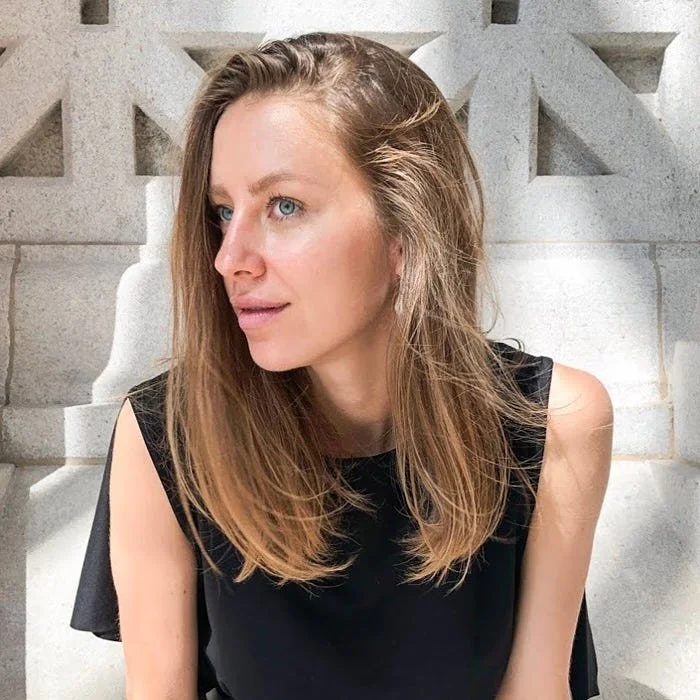
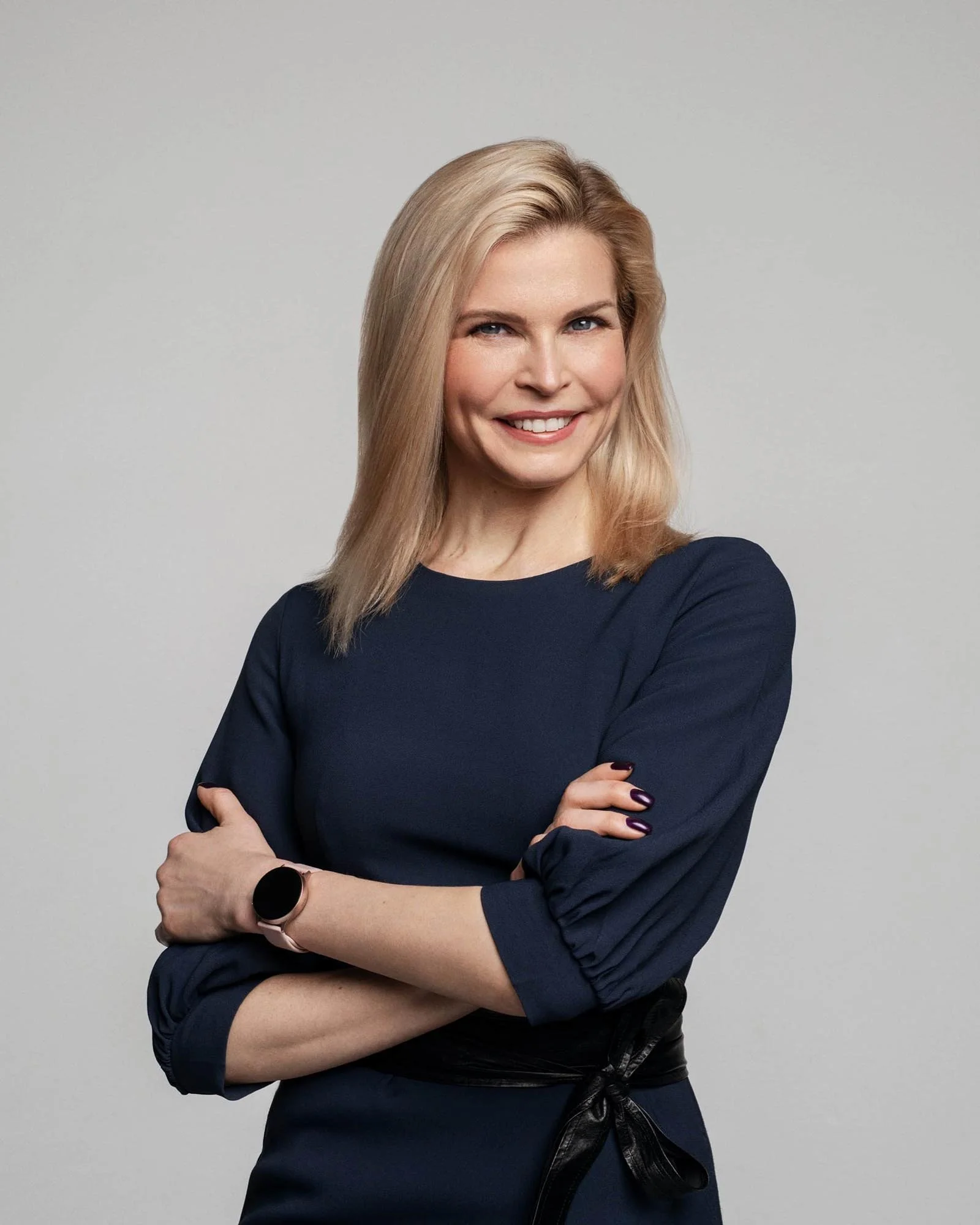
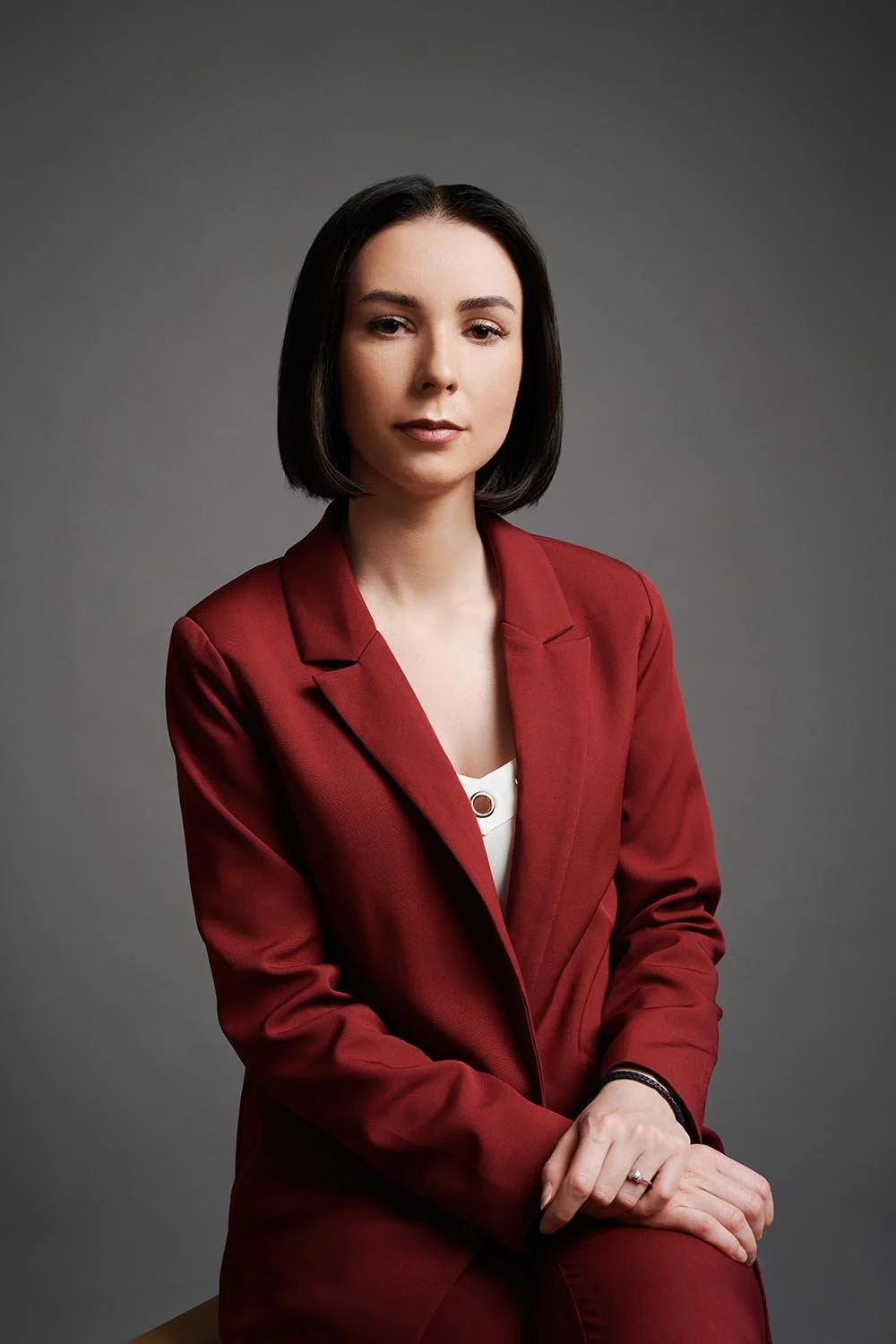
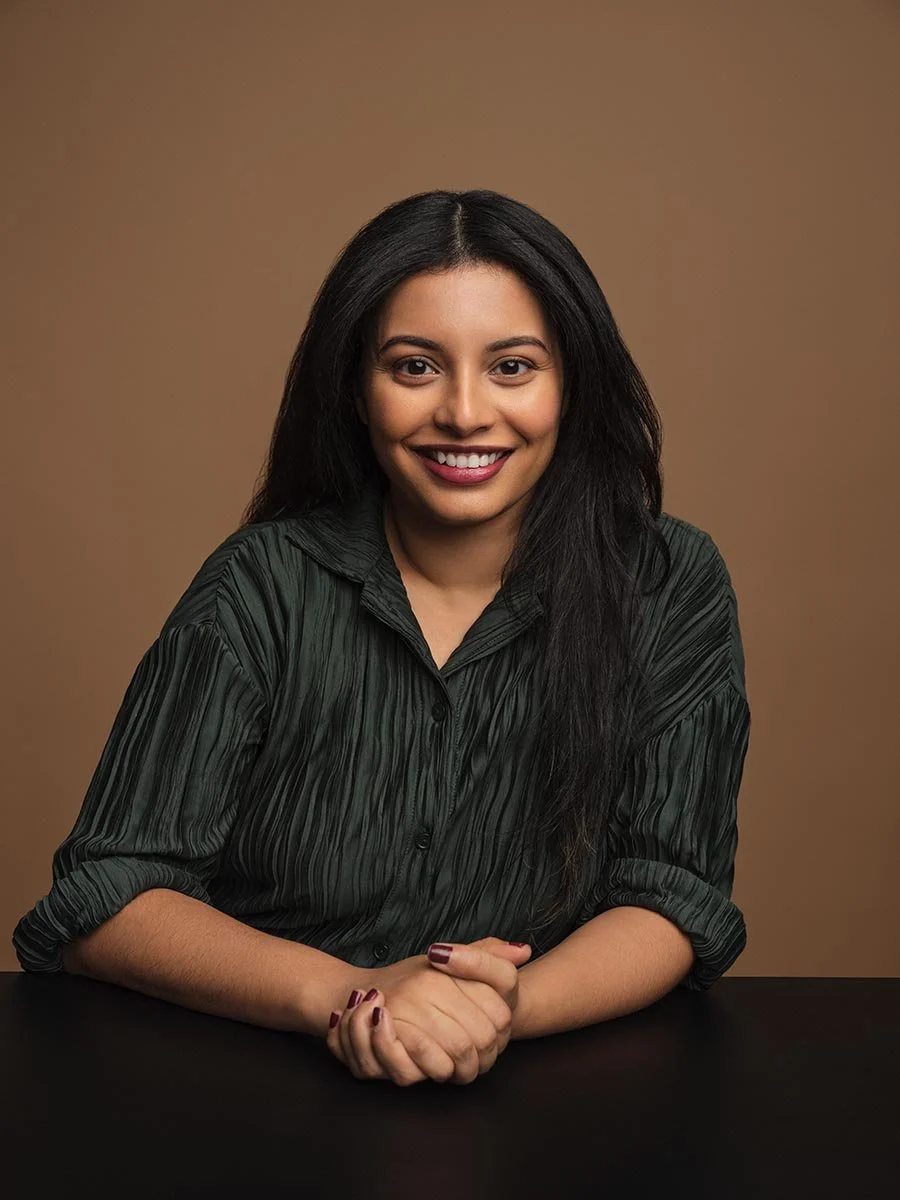
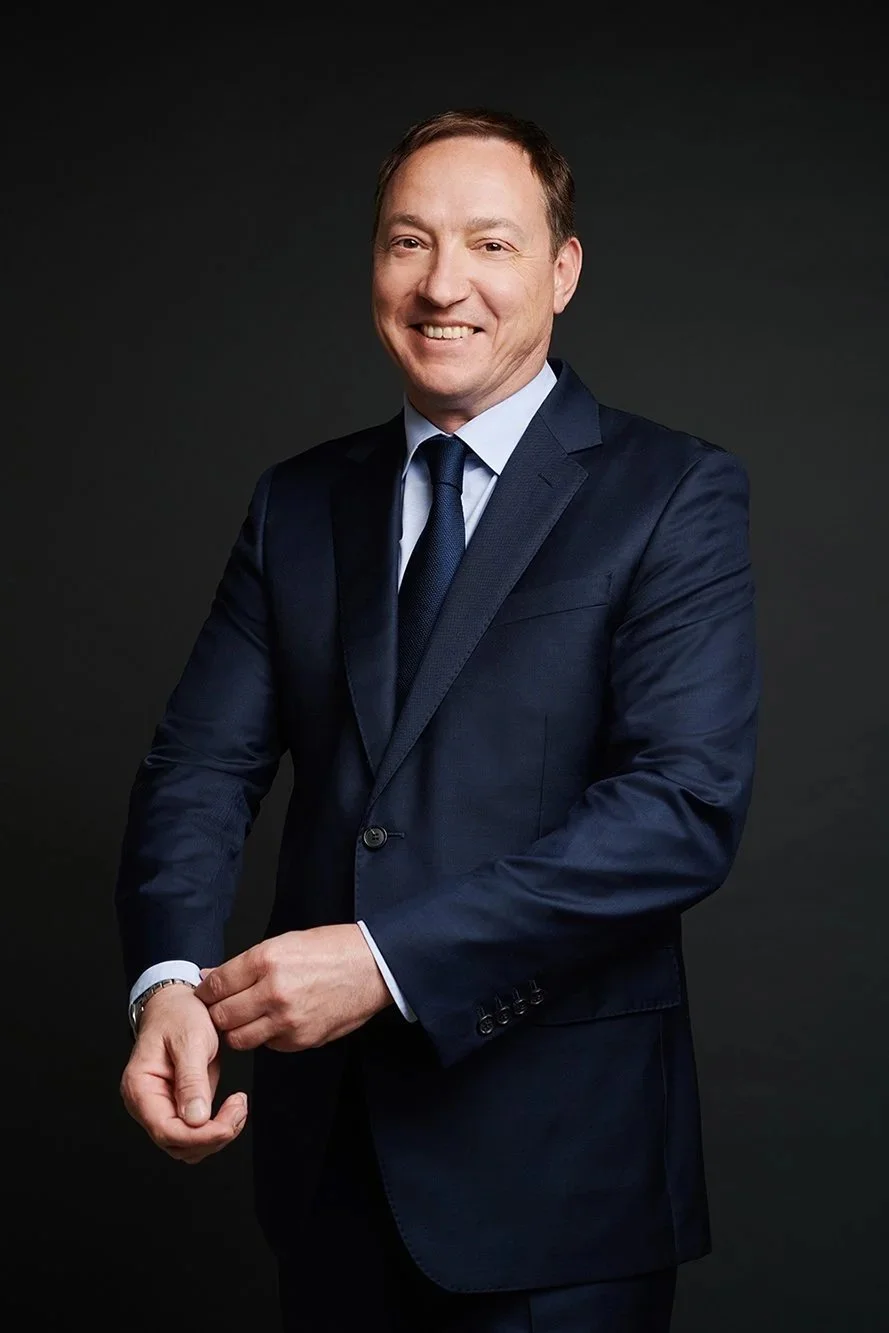
The portraits below are examples from our portfolio, used to show the choices in this guide.
Studio, outdoor realtor headshots, or lifestyle headshots?
Choose the setting for the image you need, rather than starting with a location that happens to look impressive. Here is how I would compare three options.
Style | Suggested use | What to check |
|---|---|---|
Studio portrait (controlled lighting, clean background) | Agent profile, LinkedIn, business card, press | Background is uncluttered; face reads clearly at small scale; lighting is even with no harsh shadows |
Outdoor realtor headshot (street, park, building facade) | Brokerage bio, neighborhood-focused postcard, website about page | Confirm access and weather backup; keep the setting from distracting from your face in the intended crop |
Lifestyle headshot (wider frame, "in action" context) | Website banner, social media posts, newsletter, about page | The setting supports your story without becoming a distraction; you still look like you, not a stock photo |
For a traditional professional image, I would start with a quiet studio background. For outdoor realtor headshots, choose a setting connected to how you want to present your work, and check that your face remains clear in a small crop. A building behind you is a location choice; it should not imply that you own, represent, or sold that property.
Lighting and location access
Natural light and studio lighting can both work. The useful question is whether the photographer can shape the light for your face and keep distracting shadows under control. A familiar neighborhood or office can add useful context and make your local brand feel more personal. For lifestyle headshots, this setting can help create a personal connection with potential clients; keep it secondary so the portrait still centers on you.
I would keep props, For Sale signs, and branded items out of the primary facial portrait. Campaign images with signage or property context can have their own brief.
If you're shooting outdoors, confirm location access, weather contingency, and whether the session scope covers travel. Do not assume these details are included without asking.

Expression and pose: look like the person a client will meet
I would put recognizability ahead of a dramatic expression. Compare a genuine smile with a quieter option and choose the one that feels like the person potential clients will meet. The best realtor headshots for your shortlist should feel familiar. If a smile feels forced or a pose looks staged, try another frame rather than holding it.
Pose ideas to try with your photographer
Try a slight body turn, relaxed shoulders, and eyes toward the camera. Then let the photographer vary the pose. Hands in pockets, folded arms, or a seated position can be useful options if they feel comfortable. You do not need to memorize flattering angles. A professional photographer should be able to give clear direction and help you compare expressions.
If you wear glasses in real life, keep them on. Familiar glasses are part of how clients recognize you. At Match Production, no advance warning or preparation about reflections is needed. Our team handles glare during photography and retouching, so there's nothing to arrange ahead of time.

What to wear without losing your personal style
My advice is to wear what you would wear to meet a new client. Choose clothing that feels familiar and fits the professional setting in which you work. Remaining professional does not require dressing like another agent.
For a real estate headshot, solid colors or subtle patterns are a useful starting point. Compare medium or deep colors such as navy, charcoal, and green beside your face; keep the option you like against the planned background. A brighter outfit or casual clothing can work too if it matches how you meet clients. Check fit and fabric seated as well as standing, and keep any required brokerage dress code in view.
Brand identity and the details around your face
Keep accessories intentional. If a necklace, watch, or patterned shirt is part of your personal style, you do not have to erase it. I would simplify anything that pulls attention away from your face in the small preview. Your brand identity should support the portrait rather than turn it into a display of logos.
Makeup and grooming for a professional headshot
If you choose professional makeup, I would brief the artist to keep your familiar appearance and refine only what you want adjusted for the camera. It is an optional styling choice, not a requirement for real estate agent headshots. Start with your usual grooming, including facial hair, and discuss any changes you want.
Our headshot clothing guide goes deeper on wardrobe. The makeup guide explains the choice between your usual routine, no makeup, and an artist.
Professional photographer or DIY headshots?
Decide how much help you need with direction, repeatable lighting, and the finished professional photo. DIY headshots may cover a temporary need if the image meets the destination’s requirements and still looks like you. Review the actual result before investing in prints or using it throughout your marketing.
When hiring a professional photographer, look for consistent results across a full set, not only one polished headshot. Check the eyes, skin color, expression, background, and the finish. An experienced photographer’s portfolio should help you decide whether their portrait photography fits your own professional image.
Questions for the right photographer
If you're choosing a photographer, here are practical questions to ask:
Can I review a full portrait set, not just the highlight reel?
How do you handle glasses reflections?
What does the quote include: how many retouched final images, what file formats, what crops?
Do you discuss personal brand and wardrobe before the shoot?
Ask how the photographer will direct you, and discuss your personal brand and intended uses before the session. I would choose someone whose direction makes you comfortable enough to try another pose or say that an expression feels wrong. A skilled photographer should listen and explain the next adjustment. That conversation matters more than arriving with memorized flattering angles.
DIY photos: check the small preview
For DIY headshots, use a clean background, steady the camera on a surface or tripod, face the lens, and review the professional photo at its actual final display size. Compare the result on a phone or listing thumbnail rather than relying only on the large preview. Shooting indoors near a window is one option; check the direction of the natural light and any distracting shadows before choosing the frame.
Plan your real estate headshot with Match
For real estate agents booking with Match, our NYC real estate agent headshot sessions separate individual packages from brokerage-team bookings. The individual Mini and Standard sessions are in studio; Agent Branding offers studio or on-location photography. Choose the session for your actual brief. Use the selected package or written quote to confirm looks, backdrops, retouched final images, digital files, and usage rights before booking your realtor headshot.
Choose your realtor headshot with a three-crop check
This is a selection method I recommend: test the candidate in the placements you actually need. Use these three checks as a starting point, and skip any layout that is not part of your plan.
Small square or circle. Shrink the candidate to the size of an agent-profile thumbnail. Can you see both eyes clearly? Is the expression warm? Does the background disappear or distract?
Brokerage bio crop. View it as a medium vertical, roughly head-to-mid-chest. Check headroom above the head, clothing and lighting in the frame, and whether the crop clips awkwardly at the shoulders or chin.
Print or banner layout. If you need a wider frame for a postcard, website banner, or event signage, test the image at that layout. Verify resolution, background quality, and color accuracy.
For each, confirm: natural expression, no awkward clipping, realistic retouching, and a background that supports rather than competes. Subtle retouching should preserve your recognizable features. Keep one core portrait and request complementary wider frames only where a specific layout needs them. The deciding factor is whether the final image works in its intended place.
Digital files and retouched final images
Captured frames, proofs or color-corrected selects, and retouched final images are different things. Ask which digital files your quote includes, their intended uses, and whether further versions cost extra. The real estate headshot you approve for a small profile should also be checked separately before use in print. For the finishing side, see our headshot retouching guide.
I would save digital files with organized names by person and use, such as lastname-profile-2026.jpg and lastname-postcard-2026.jpg. Keep the supplied originals as well as the versions you resize. Check each platform’s current upload specification before submitting; avoid assuming that a file prepared for one placement fits another.
Scope and additional costs: confirm the useful details
Before booking, confirm these details with the photographer or studio:
Session length and whether it covers outfit changes
Number of backgrounds or locations, and whether outdoor access is included
Number of retouched final images in the quote
File formats, crops, and whether you receive files sized for both web and print
Usage rights for your intended marketing materials
Whether makeup or location-related charges are separate additional costs
Compare the quoted scope, not only the headline price. A session with one look and a small set of retouched final images is a different brief from several outfits, a location setup, and wider portraits. Confirm additional costs before expanding the plan, including any styling, location access, or extra finishing you request.
The current Match Production package and quote is the authority for what's included in an NYC session. Visit the realtor headshots NYC page for exact terms rather than relying on general ranges.
Common realtor headshot mistakes and a reusable shortlist
Here are practical reasons to reject a candidate image:
It no longer resembles you. Compare the portrait with how you look today, including your hair, facial hair, and familiar glasses. I would update an inaccurate image rather than use a fixed calendar rule.
Excessive retouching. I would reject a finish that changes recognizable features or makes skin look artificial.
Distracting clothing or background. Distracting backgrounds can detract from your headshot's impact. A busy pattern, a branded prop, or a cluttered setting pulls attention from your face.
Technically weak file. Check sharpness, color, and file quality in the actual placement before using it.
Awkward crop. Clipping through joints, cutting the top of the head, or leaving too much empty space.
Expression that does not feel like you. Choose a frame you feel comfortable using rather than the most exaggerated smile.
I would review your headshot when your appearance, role, or marketing changes. If the photo no longer looks like you, put an update on your list. NAR’s headshot advice also recommends choosing an image that resembles you and avoiding excessive retouching.
Reusable shortlist checklist
Send this to whoever approves your marketing:
[ ] Does this photo look like me today?
[ ] Is the expression natural and recognizable?
[ ] Is lighting even, with no harsh shadows or reflections?
[ ] Wardrobe: solid or restrained pattern, fits well, matches my brand
[ ] Background: clean, supports the placement, no distracting props
[ ] Crop works in the actual profile or marketing layout, without awkward clipping
[ ] File: meets the requirements for each actual profile, web, or print placement
[ ] Consistent with my other public-facing photos
Choose a shortlist, then ask for focused feedback
Keep the shortlist small enough to compare. Send the same candidates and intended placements to the person approving your marketing, so their feedback answers the brief. Choose the photo you can use confidently, not simply the one that looks most dramatic at full-screen size.
For NYC-based agents ready to book, view Match Production's real estate headshot sessions for current availability, portfolio examples, and session details.
Realtor headshot questions
What makes a professional headshot useful for real estate?
My priorities are recognizability, a natural expression, deliberate lighting, and a crop that works where potential clients will see it. A great headshot for a brokerage bio may need a different frame from a website banner. For real estate agents, I would treat the first impression as an introduction to a real person, not evidence of experience or a sales promise. Select real estate agent headshots against that practical brief.
Can I use the same headshot everywhere?
Often one core portrait can support several placements with suitable crops. Check each actual destination, and use a wider original when a banner or layout needs more room. Keeping the main portrait recognizable does not mean forcing one crop into every shape.
Can I wear glasses?
Yes. Keep your familiar glasses on. At Match, no advance warning or special preparation about reflections is needed. Our team handles glare during photography and retouching.
Should I use a black and white headshot?
Black and white can be a quieter, more classic treatment if that suits your personal brand. I would keep a color option as well and compare both in the actual brokerage page or design. Choose the treatment that fits the rest of your materials, and check the current image brief before submitting.
What if I change brokerages?
Keep at least one unbranded portrait with a neutral background and wardrobe that isn't tied to a specific brokerage's palette. When you move, check the new company's current image brief for their headshot requirements. An unbranded image stays flexible for future websites, press, or independent marketing.
Primary-source context
For related industry advice on familiar workwear, recognizable appearance, and natural expressions, see NAR’s headshot guide. Use the current platform or printer specification for technical requirements.