
70 Corporate Headshots in One Day: Logistics, Timing and a Paranoid Producer
TL;DR In August 2026, we photographed 70 people at Onshore’s New York office in one working day. Seven leadership portraits ran in a separate room while the main headshot line followed five-minute scheduled slots. I built the call sheet for a five-person crew, coordinated both lanes, and the per-person proof galleries went out the next day.
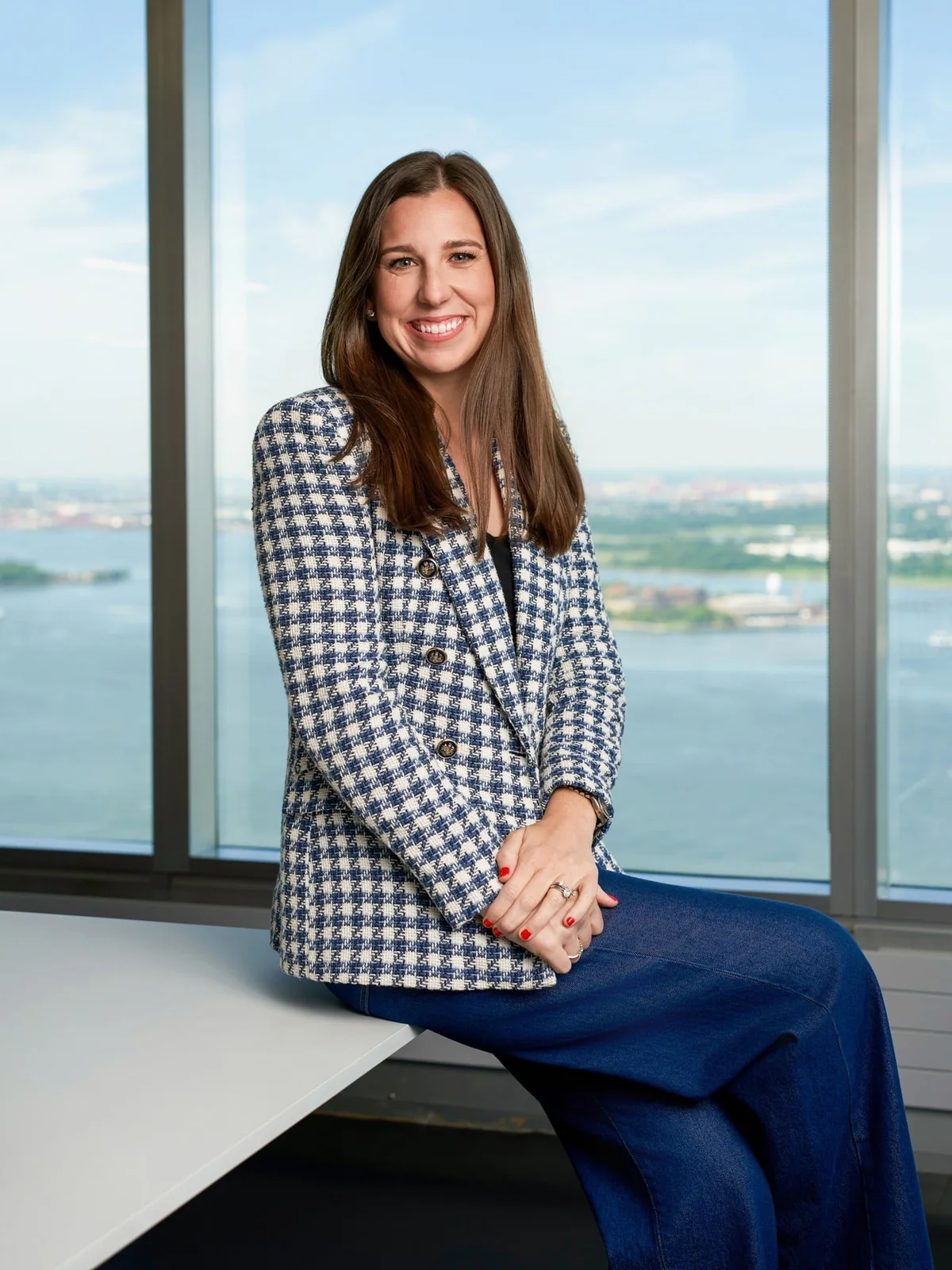
After years of running shoots, I have learned one simple truth: a large-scale shoot at a company’s office is not about artistic exploration or poetic conversations about lighting. It is logistics, psychology and time management. When you need to photograph an entire company in a single workday, you have two options. Option one: three days of office chaos where everyone is stressed, workflows stall, and the HR director is quietly drafting a resignation letter by 5 p.m. Option two: a set that runs like a machine, where every employee knows exactly where to go, what to wear, and why they have precisely five minutes in the chair.
Unsurprisingly, we always go with option two.
Key takeaways
- The producer owns the schedule while photographers focus on portraits.
- A five-minute slot includes check-in and rotation; the planned camera time is about two and a half minutes.
- Leadership can use a separate photographer, room, makeup schedule and longer appointment.
- Open time in the call sheet gives the producer room to handle missed or delayed appointments.
- Per-person proof galleries were sent the next day.
The day in numbers
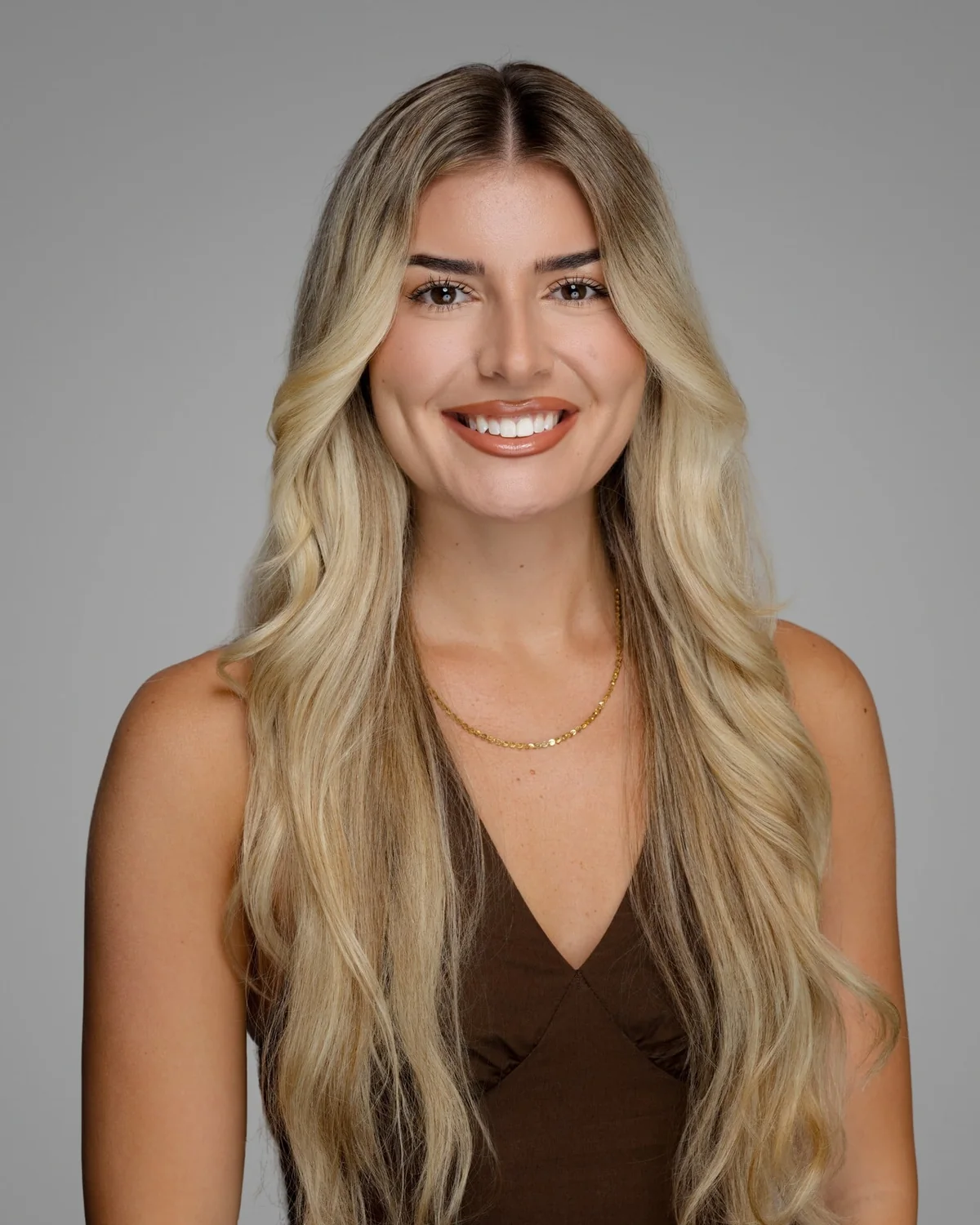
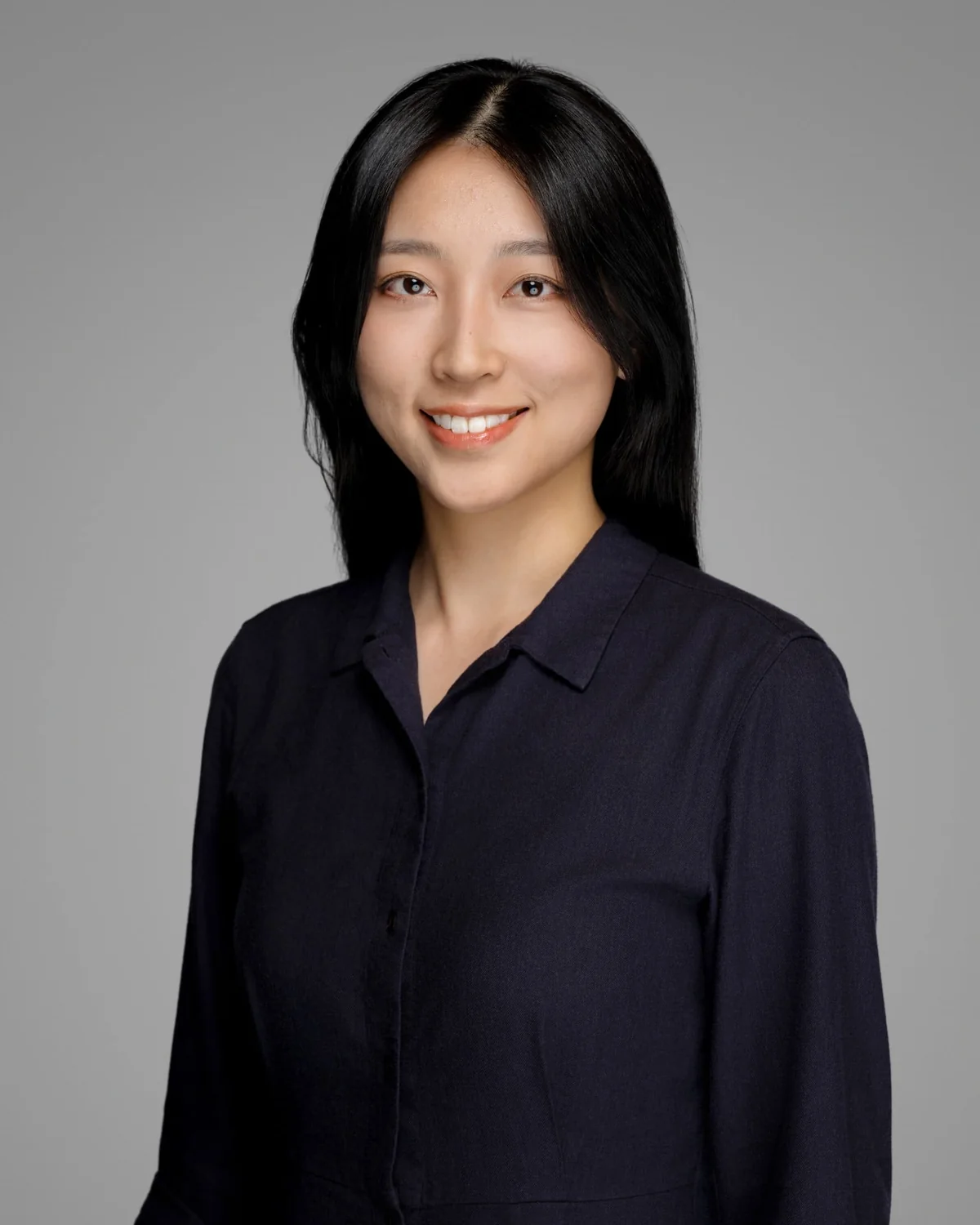
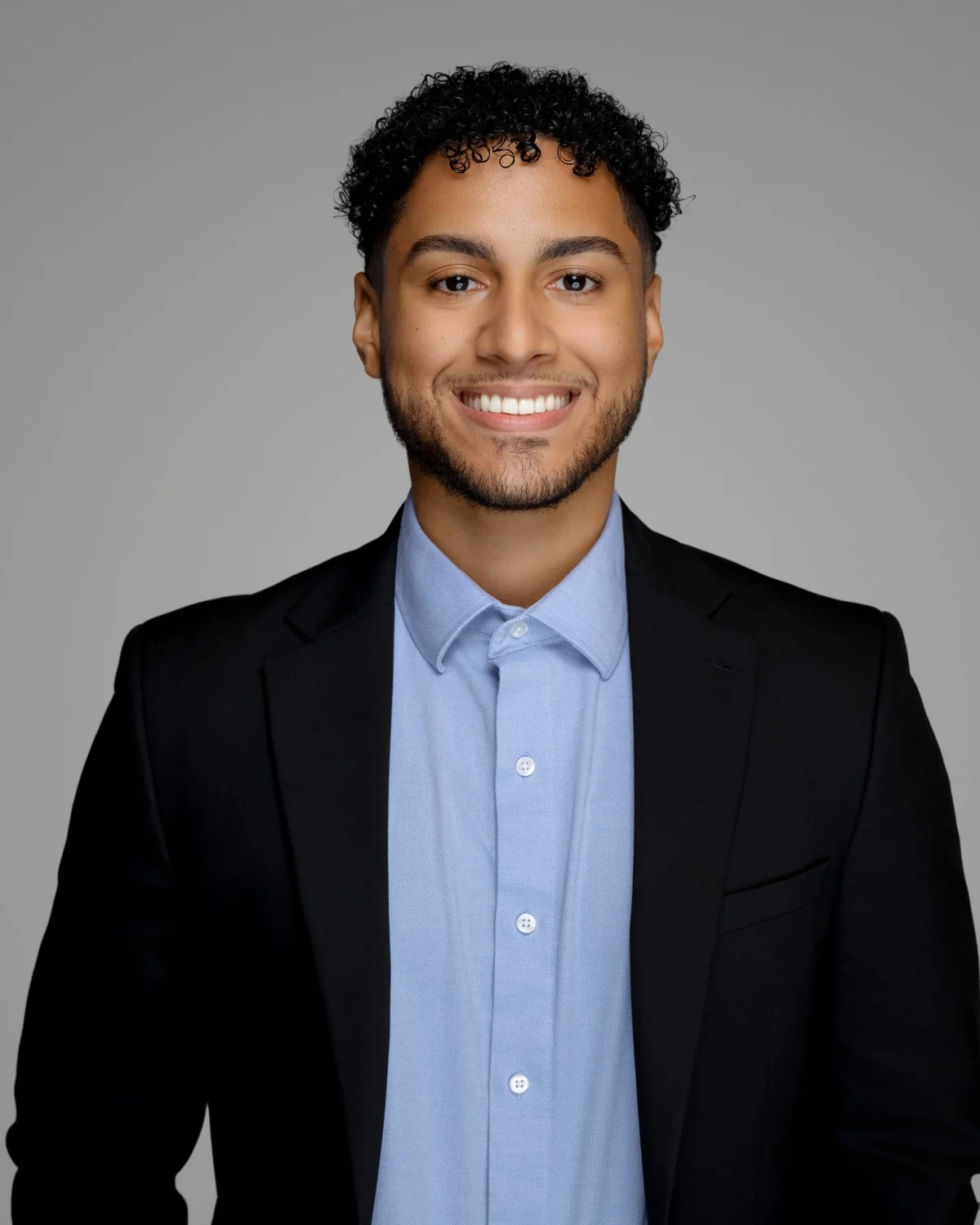
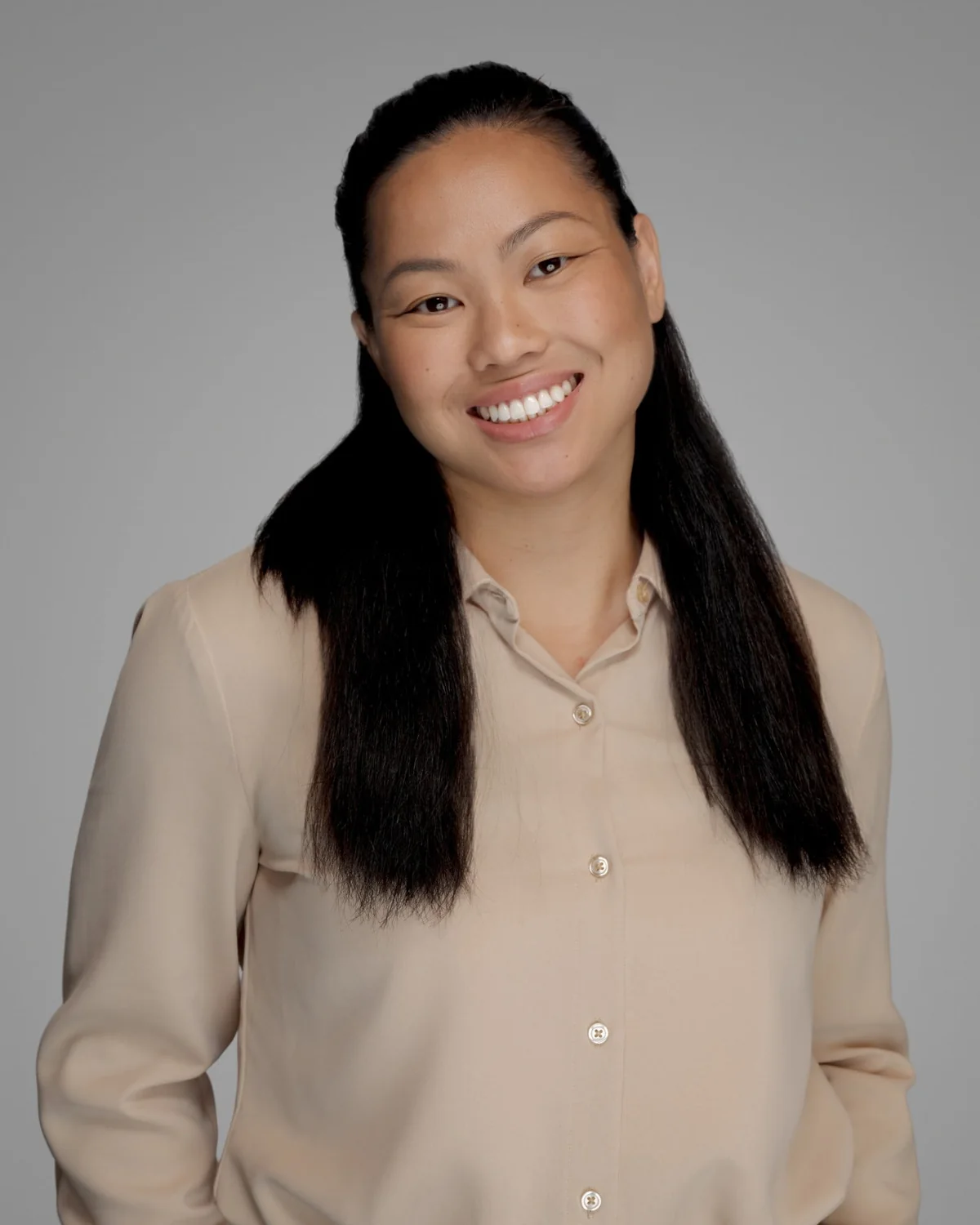
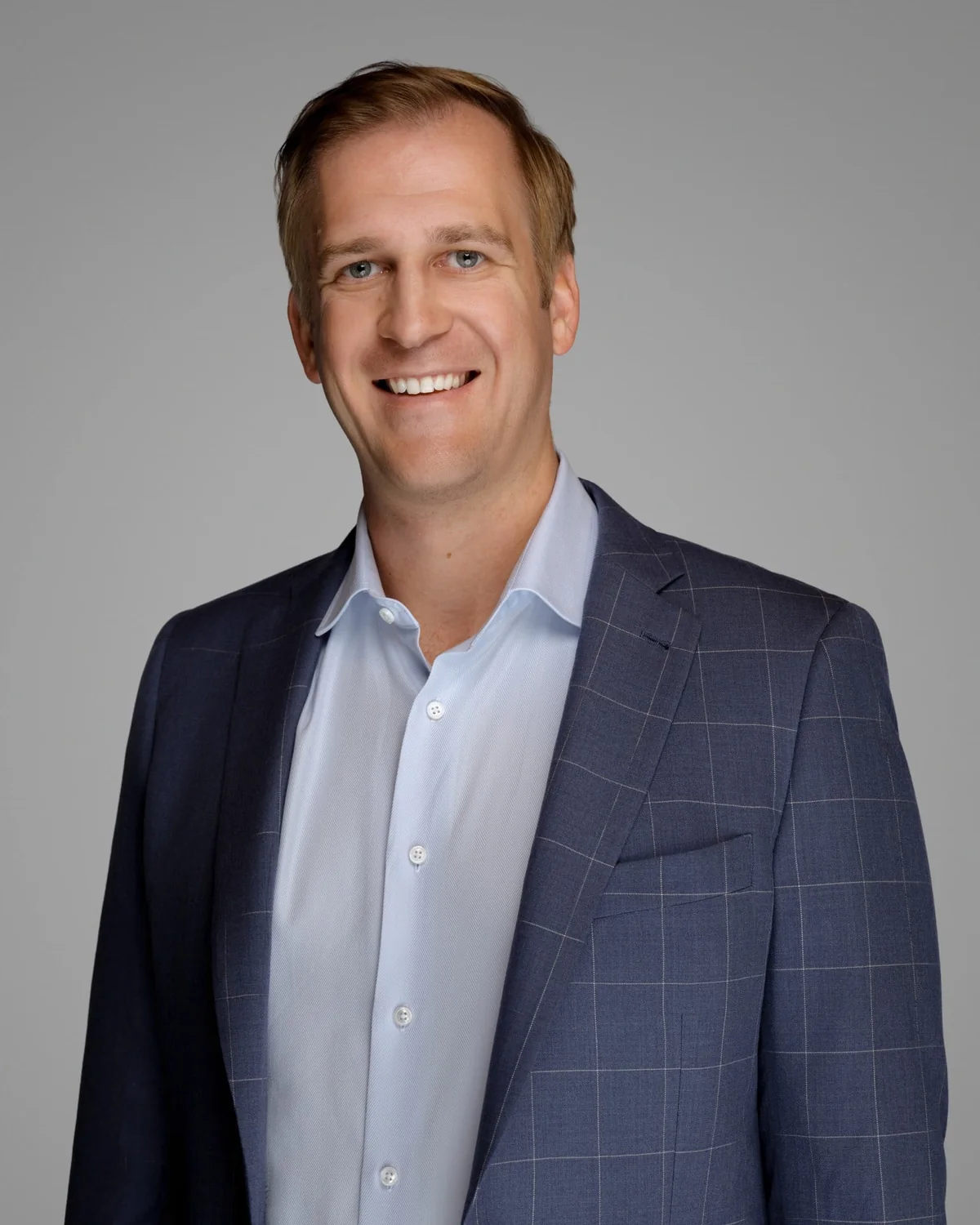
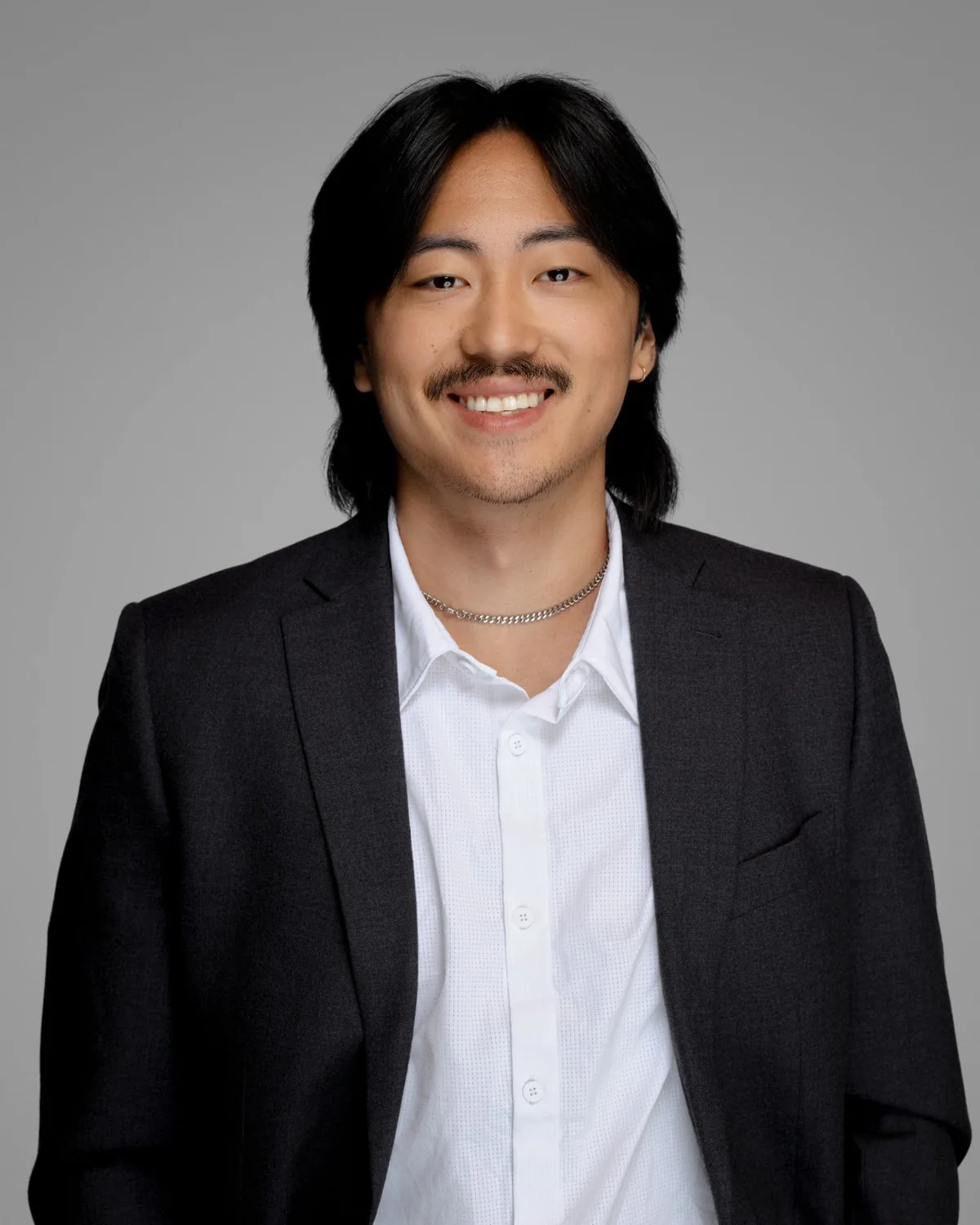
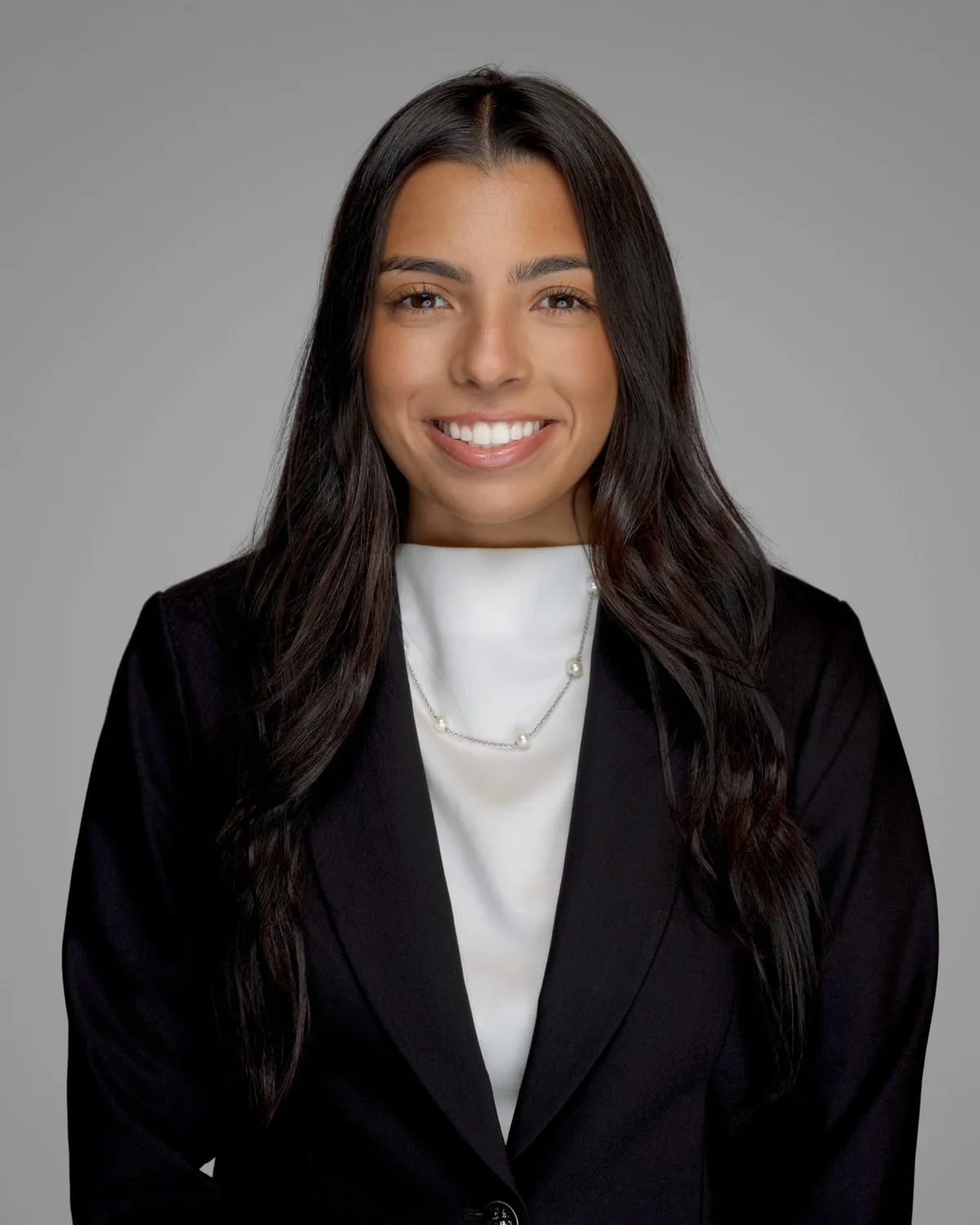
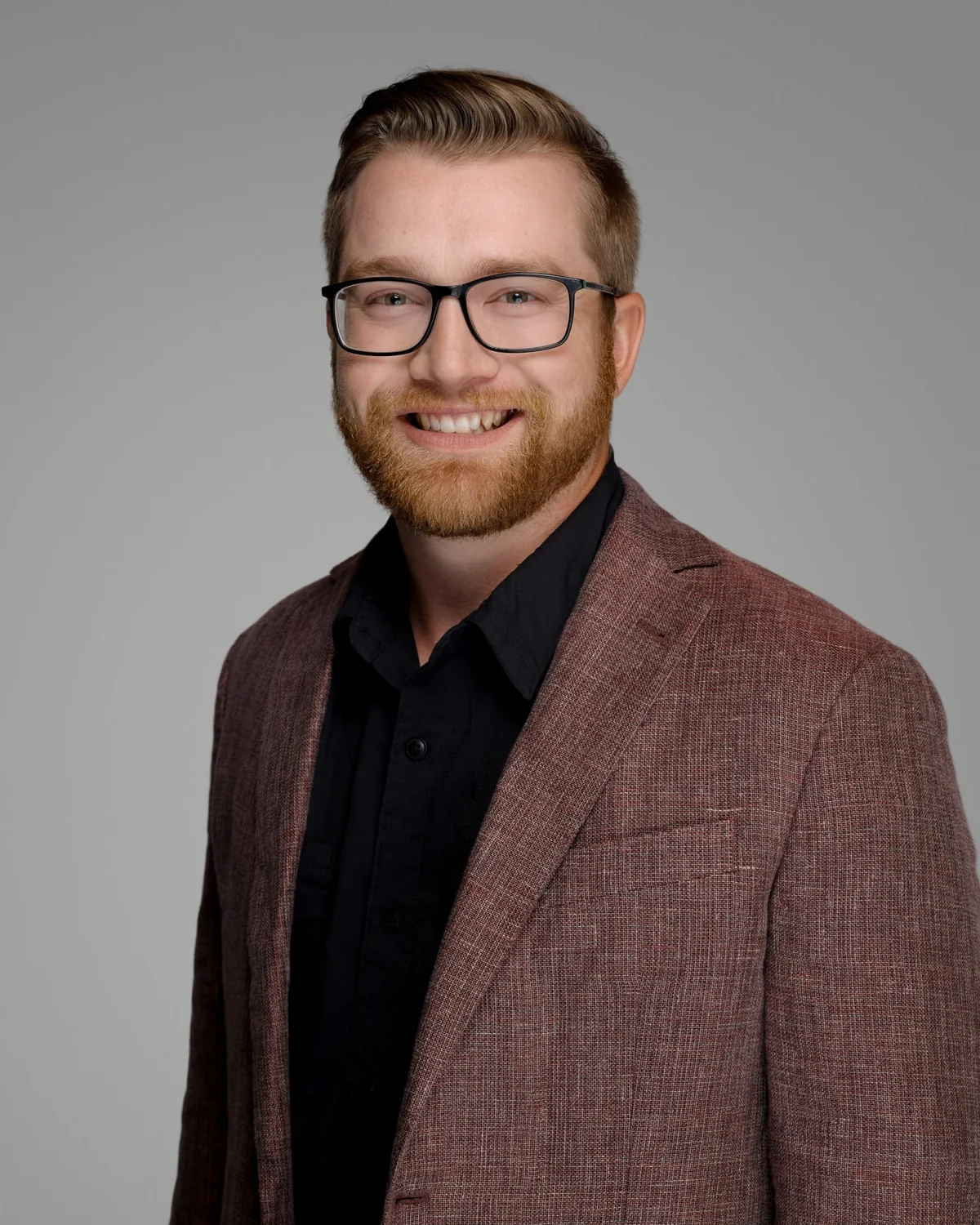
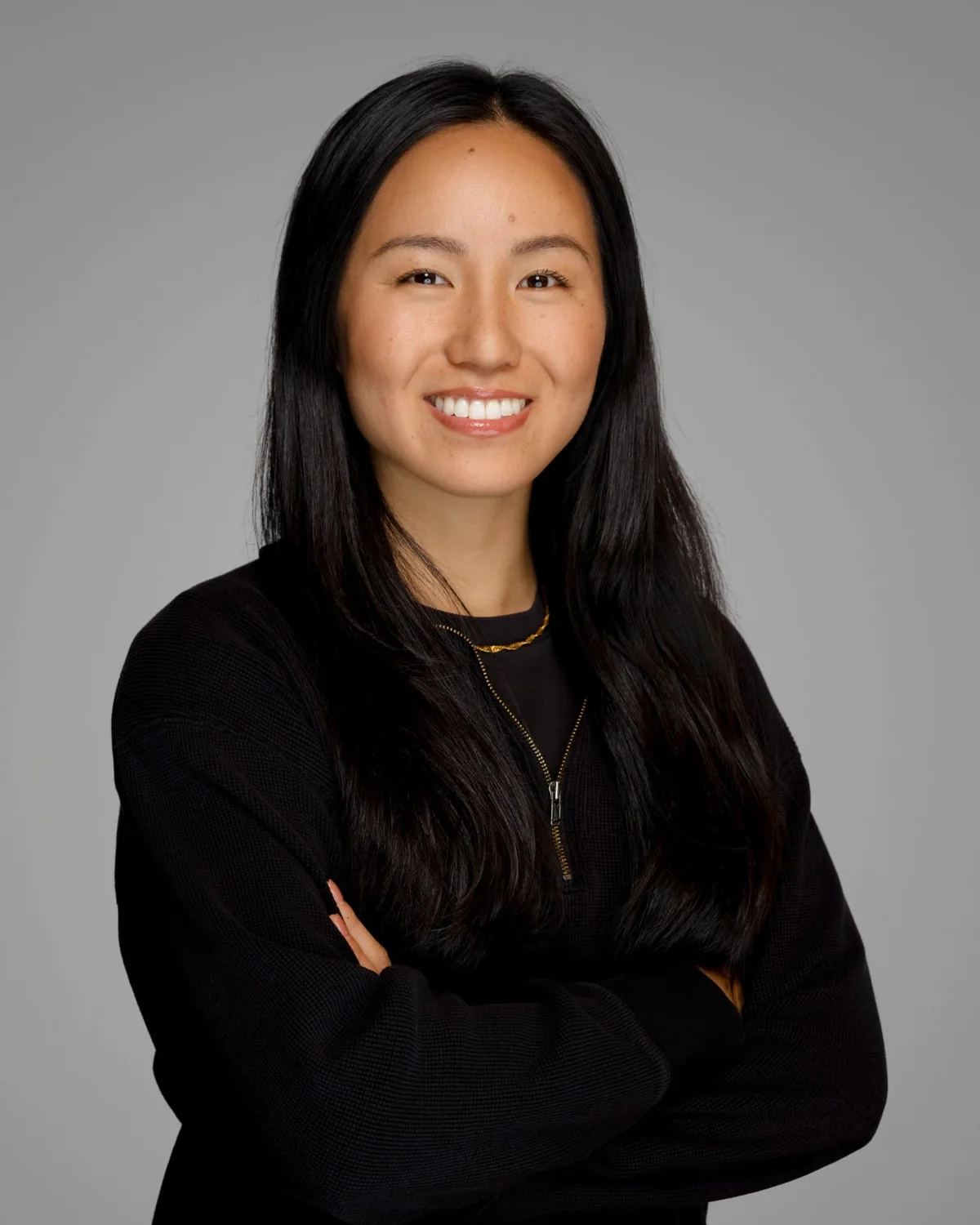
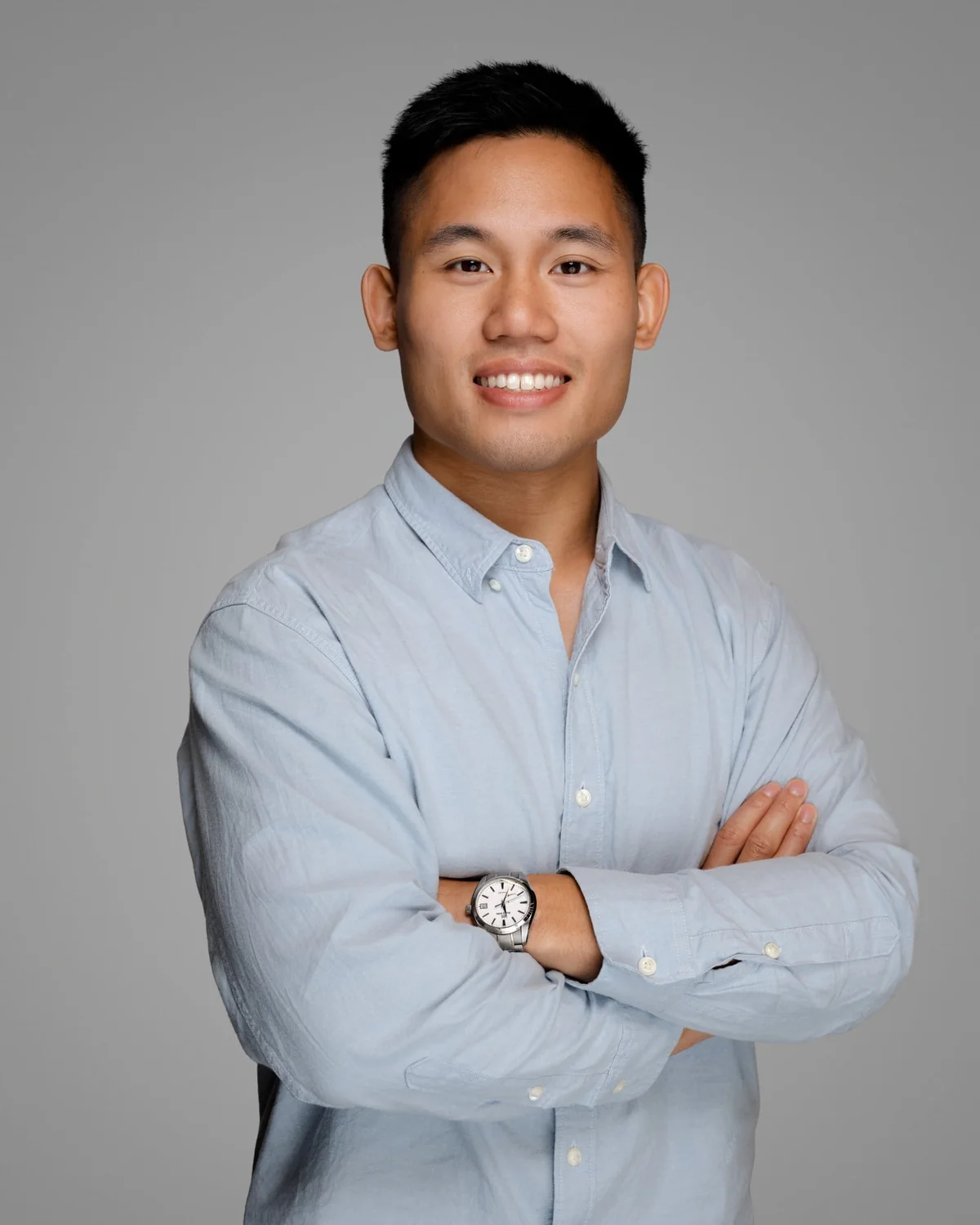
- 70 people photographed at Onshore’s New York office in one workday.
- Seven leadership portraits, including the CEO, in a second editorial setup running in parallel.
- Five-minute scheduled slots, a planned pace of 12 appointments an hour on the main line.
- 15 to 20 frames per person, well over a thousand frames across the day.
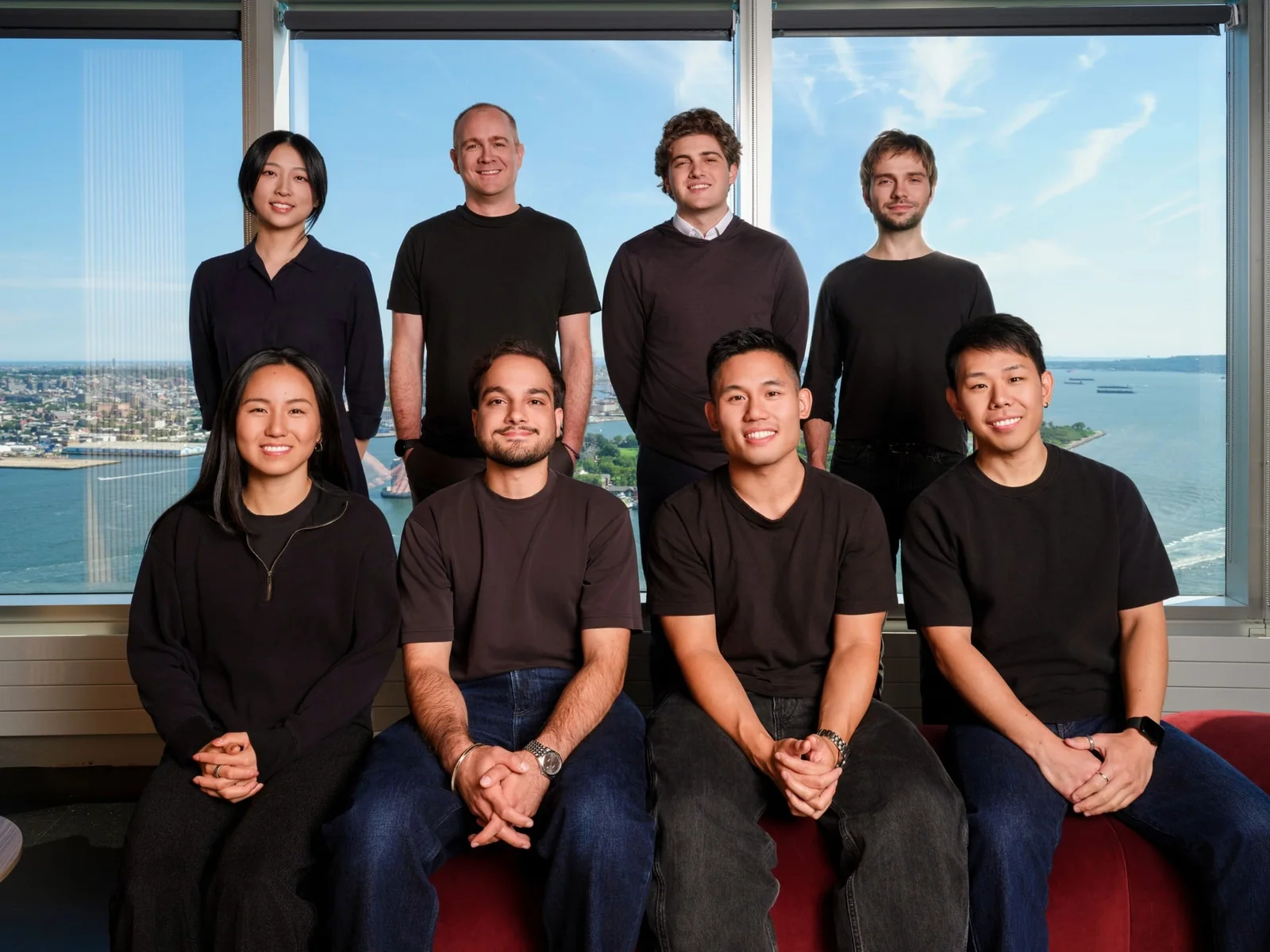
- A crew of five: two photographers, two makeup artists and one producer.
- 9:05 a.m. first main-line slot; the line closed at 4:05 p.m.; group and department photographs followed later.
- 75 appointment slots for 67 names; we photographed 70 people. The open end of the schedule was part of the plan.
- Proof galleries the next day, one per person and labeled by name.
The five-minute pace belongs to the main station; leadership had separate 30-minute appointments. The total of 70 includes both portrait lanes.
How many people can you photograph in one day?
In my planning model, one standard-headshot station can accommodate roughly 60 to 80 people in a day when planned properly. A quote should say how many stations and photographers are included: “forty a day” and “five hundred a day” are not comparable unless you know how many stations are running and whether sessions are standard headshots or longer portraits.
Onshore had one main headshot station and one photographer on that line. At five scheduled minutes per person, that works out to a planned 12 appointments an hour. Across a seven-hour window with a half-hour break, the sheet has room for about 78 five-minute slots. I built 75 main-line slots. Across both portrait lanes, we photographed 70 people. The main line ran from 9:05 in the morning until just after four; seven leadership portraits were handled separately and did not consume its appointments.
What uses capacity is how many people need something beyond a standard session. In my planning example, an executive editorial appointment takes about as long as six standard slots on the same station. Put those portraits somewhere else and the main line can keep its own rhythm.
A multi-day shoot can be the right choice when staff availability, room access or the brief calls for it. It adds another crew call and setup, so compare that with the constraint it solves. For Onshore, we used two lanes to fit the portraits into one office visit. Our corporate headshot programs are scoped around the stations and services each project needs.
The single point of failure: why do you even need a producer?
Let’s be honest: when a client reviews an estimate, the producer can look like the first line item to cut. Why pay someone to stand there with an iPad when you have already hired a photographer?
Then 10:30 a.m. rolls around, and everyone on set starts praying to that producer. On the Onshore shoot, that was me.
High-density shoots do not fall apart because a photographer is slow at pressing the shutter. They fall apart over tiny details. A top executive gets stuck on a call and shows up four minutes late. Someone’s shirt is wrinkled and the steamer is on another floor. Three employees arrive at once while five others forgot the shoot was happening. These are the small schedule problems a producer can catch before they become a backup.
So while Alex Karnyukhin, our lead photographer and art director, stayed focused on framing, light and the person in front of the lens, I ran the chessboard: assistants walking the next people to set five minutes before their slot, quiet reshuffles when the schedule slipped, buffer slots spent where they were needed, a crooked collar caught before it reached the camera, and all 70 people wrapped with files backed up and cataloged by the end of the day.
Without that role, the photographer turns into a traffic cop, the makeup artist turns into a therapist, and the shoot drags on indefinitely. Office time has a cost, too. The U.S. Bureau of Labor Statistics reported employer compensation costs for private-industry workers averaging $46.60 per hour worked in March 2026. As a simple hypothetical, if 70 people each waited an extra 20 minutes, that time would represent about $1,087 in employer labor cost—roughly $1,100. That is an illustration of the value of a clear schedule, not a measured Onshore loss. BLS Employer Costs for Employee Compensation, March 2026.
The schedule, hour by hour
This is the working day from my call sheet, with employee names removed. The executive lane had its own room and appointments; it did not run through the main headshot station.
| Time | Main headshot line | Executive lane |
|---|---|---|
| Before 9:00 a.m. | Both lighting setups built; tethered station live. | Second setup built in a separate room. |
| 9:05 a.m. | First slot. Alex starts; one person every five minutes. | Idle. |
| 10:00 a.m. | Line continues without interruption. | First executive into full makeup, scheduled for 30 minutes. |
| 10:30 a.m. | Line continues. | Victoria starts the first editorial session. |
| 11:00 a.m.–1:00 p.m. | Line continues at a planned pace of roughly 12 appointments an hour. | A new executive appointment every 30 minutes. |
| 1:00 p.m. | Thirty-minute break. | Break. |
| 1:30 p.m. | Line restarts. | Executive blocks resume. |
| 3:30 p.m. | Last named slot on the sheet; everything after this is open. | Lane closed. |
| 3:30–4:05 p.m. | Open slots for people who missed their named appointment. | Closed. |
| 4:05 p.m. | Individual line closes. | Closed. |
| After individual portraits | Group and department photographs. | Group and department photographs. |
Two things in that table do most of the work. The break at 1:00 p.m. is the catch-up buffer: by lunchtime, a high-density line can be a couple of slots behind. The final stretch of the sheet carried no names on purpose. In my account of the day, we used those open slots. They gave the schedule room to absorb a person who missed their time without putting the next appointment on hold.
We photographed groups and departments after the individual portraits. Group photos go last, when the team is already styled, in the building and ready for the camera.
Who was actually in the room?
Five of us, each on a different clock. Most quotes describe this as “a production team” and leave it there, which tells you little about whether the day can hold together. Here is the breakdown for this shoot.
| Role | Who | What they own | Their cadence |
|---|---|---|---|
| Art director and lead photographer | Alex Karnyukhin | The main headshot line, plus image quality across both setups. | One person every five minutes. |
| Lead photographer, executive lane | Victoria | Editorial portraits of the CEO and leadership in a separate room. | One executive every 30 minutes. |
| Touch-up artist | Makeup artist 1 | A brief touch-up for each person before the camera. | 30 to 60 seconds inside the slot. |
| Full-makeup artist | Makeup artist 2 | Full makeup for the seven leadership sessions. | 30-minute appointments. |
| Producer | Irina Chistikina | The call sheet and both lanes. | Continuous. |
The ratio that matters is not only photographers to people. Touch-up coverage should match the active lines, and the producer needs visibility across the rooms. A second photographer without a lane can end up waiting; a second lane without a clear call sheet can create two queues instead of one plan.
Here is the staffing model I use to think through a quote. It is my planning framework, not an industry standard or a promise that every package includes every service listed. Headcount is one input; the number of rooms and the kind of portraits are others.
| Headcount | Shooting lines | Photographers | Touch-up artists | Full makeup | Producer |
|---|---|---|---|---|---|
| Up to 25 | 1 | 1 | Optional | No | 1 |
| 25 to 80 | 1, plus an executive lane | 2 | 1 | 1, leadership only | 1 |
| 80 to 150 | 2 | 2 | 2 | 1 | 1 |
| 150 to 300 | 3 | 3 | 3 | 1 to 2 | 1, plus a coordinator |
| 300 and up | 4 or more | 4 or more | 4 or more | 2 | 1, plus a coordinator |
Producer count rises with the number of rooms, not simply with headcount. And one thing a staffing table cannot show: someone has to be responsible for whether the pictures are good while all of this runs. On our days, Alex owns the lighting and retouching specification and watches the tethered screen between frames instead of the queue. A schedule that runs perfectly and produces seventy mediocre photos is not a success.
What fits inside a five-minute slot?
When HR directors hear “five minutes per person,” their eye twitches: are you making passport photos? We need real portraits.
Breathe out. Five minutes is not about rushing. It is a window where every second has a job and nothing on set is wasted motion:
- 0:00–0:30, check-in. The employee steps in, an assistant takes a jacket and checks the name against the call sheet.
- 0:30–1:00, touch-up. Powder for shine, a tie straightened, a stray hair settled. No full makeovers.
- 1:00–3:30, the shoot. Two and a half minutes in front of the camera. The light is preset, locked and tethered to a monitor; that is enough for 15 to 20 varied frames and a genuine expression rather than a startled one.
- 3:30–4:30, selection on the spot. The employee flags a favorite one or two shots on screen. Nobody goes home to sort a folder of 100 raw files.
- 4:30–5:00, rotation. One person leaves and the next steps in.
The touch-up artist sits next to the set and works to the camera’s cadence: 30 to 60 seconds per person, inside the same slot. Every one of the seventy people got that pass whether they wanted makeup or not. A touch-up is not a full makeover; it is a small practical reset before the portrait and helps keep the retoucher from spending an hour a head later.
Two and a half minutes on camera can sound impossible until you know who is holding it. Alex has shot more than thirty magazine covers for Forbes, Inc., Esquire, GQ and Men’s Health, and on a cover shoot the subject is almost never yours for long: he has had ninety seconds with one who had a plane to catch. After that, two and a half minutes is comfortable. The light does not change during this station’s day: one setup, the same distance and crop, so the portraits can read as one company rather than seventy separate photographers.
That stable standard matters when a company adds people later. We have written about keeping the look consistent in our guide to consistent corporate headshots.
What about the C-suite?
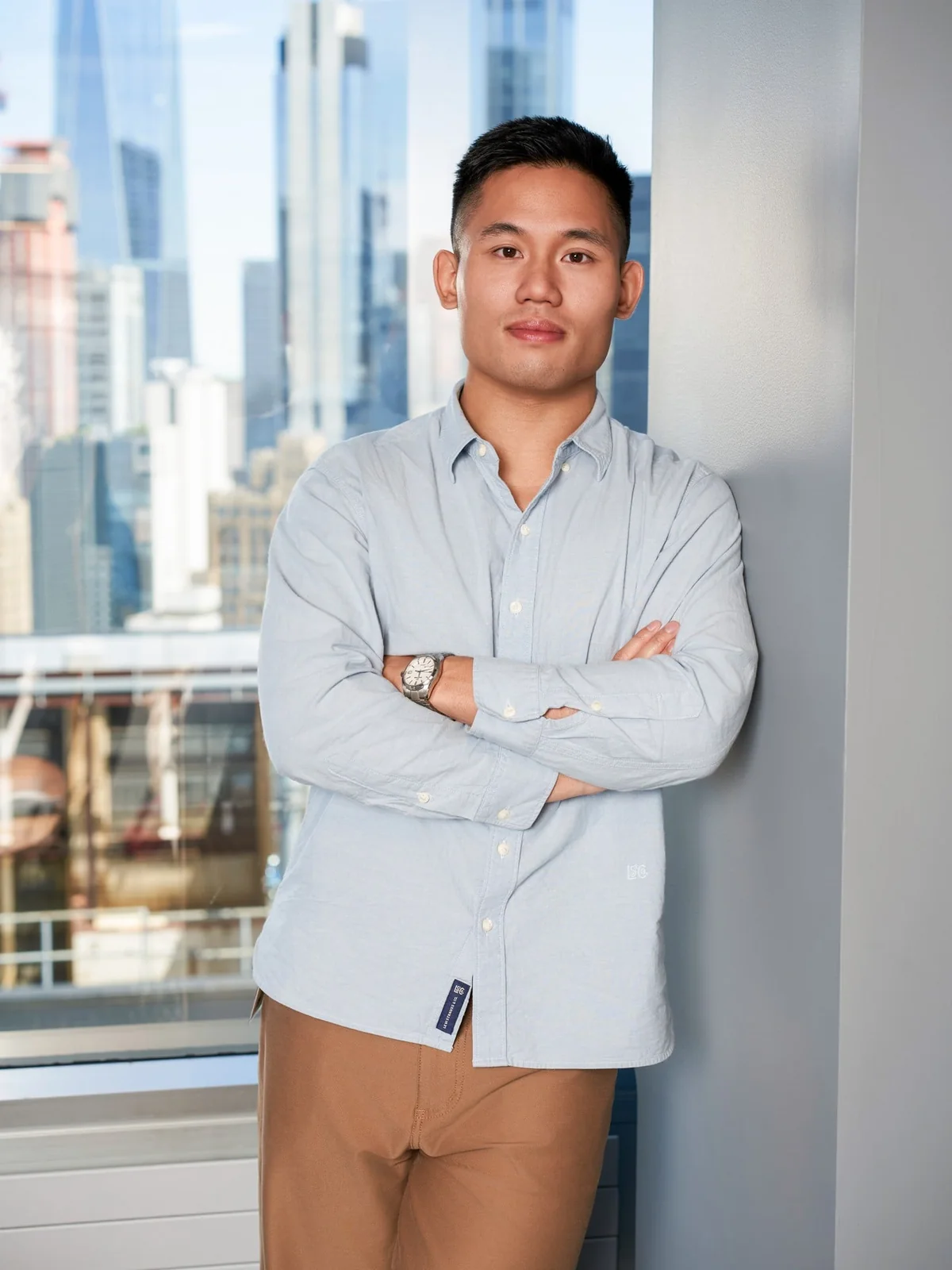
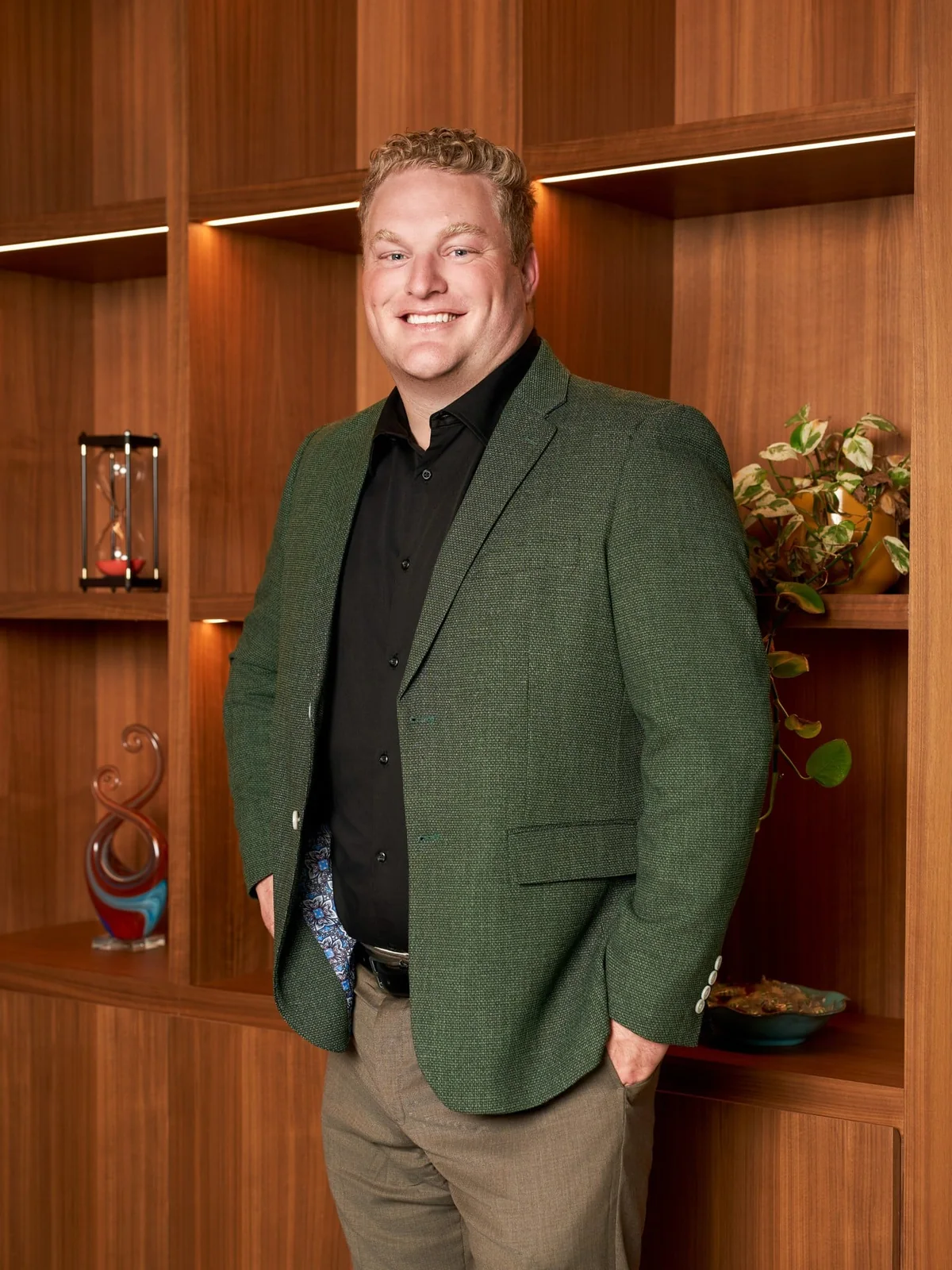
Top management often has a different calendar from the rest of the office. Onshore’s CEO and leadership did not have five-minute gaps between calls. They needed editorial-grade portraits for press releases, investor decks and media rather than a badge-style headshot. Asking executives to stand in the same queue as everyone else would have been a producer’s cardinal sin.
So they had their own lane. While Alex kept the main line moving, Victoria worked with leadership in a separate, quiet room. Executive and LinkedIn portraiture is Victoria’s full-time work: founders, C-suites, and the partner who needs to look approachable on a bio page without looking like they are trying too hard.
Her sessions ran 30 minutes each, mostly spent on posture, presence and expression, with room to change outfits and talk through where each portrait would be used. The second makeup artist booked full 30-minute appointments timed to finish as each session began. I built floating windows into the executive schedule so a meeting that ran long could move within that lane without changing the main-floor schedule.
The result: the main line never noticed anything, and leadership got portraits that look nothing like everyone else’s headshots, which is the point of splitting them off.
If your brief is focused on a smaller leadership group, see our executive portraits service.
What could go wrong?
A company-wide shoot is inherently stressful for the client. Onshore had the same three fears every company has, and we planned for all three before the first frame.
Fear one: someone will be out sick or late and the whole schedule collapses. It collapses only if you build a sheet with zero breathing room. Ours had 75 slots for 67 names. The last booked name sat at 3:30 p.m., leaving the final 35 minutes completely open, and we used every one of those slots. They absorbed the person stuck on a client call, the one who went home to change a shirt, and a few people who were never on the sheet and simply walked in. The same tail is where I move anyone who genuinely hates being photographed, so they can come back later to a room without an audience instead of holding the line. We closed at 4:05 p.m. on target. Group photos go after the individual work, when the whole company is already styled, in the building and dressed for a camera.
Fear two: we will be buried in a thousand unsorted files. No folder dumps. The very next day, Onshore had proofing galleries labeled by individual employee name, with each person’s on-set picks already flagged. HR forwarded links instead of zip files, and selections came back from people rather than from a coordinator chasing them. On a seventy-person shoot, the photography is one day and the admin is usually the other five; the admin is what we take off your desk.
Will retouching make everyone look like a plastic doll? Our policy is to remove temporary distractions: dark circles from a bad night, a blemish likely to clear, stray redness or a wrinkled collar. We do not alter proportions, reshape silhouettes or turn real professionals into 3D renders. People should recognize themselves and feel comfortable sharing the portrait on LinkedIn. If someone wants more than that, they can ask directly; it stays their choice, not the marketing team’s.
What does a day like this cost to book?
Price depends on staffing, stations and portrait scope, not only headcount. Standard team packages assume a self-managed flow—the client owns the list, room and arrival order—and start at $1,449. Corporate programs include a dedicated project manager; an on-site coordinator is included from Corporate 100 onward. These managed programs start at $6,900.
Onshore was a separately scoped corporate-program day: seventy people, a producer, a second photographer and two makeup artists. Corporate 50 and Corporate 100 are pricing reference points, not a quote for this project; Corporate 100 is the listed tier that covers a headcount of 70. Extra makeup, executive time, travel, rooms or other production needs are not automatically included. We scope the crew against the brief.
Per-person pricing falls with headcount when the package’s full headcount is used, because part of the cost belongs to the production day rather than to each shutter click. The current package figures are below; see full pricing for the live offer. Our guide to corporate headshot pricing explains how the per-person number changes with team size.
| Program | Photographers | Price per person | Program price |
|---|---|---|---|
| Corporate 50 | 1 | $138 | $6,900 |
| Corporate 100 | 2 | $119 | $11,900 |
| Corporate 250 | 3 | $99.60 | $24,900 |
| Self-managed team packages | Varies by package | — | From $1,449 |
See corporate headshot packages or get pricing for your team.
Frequently asked questions
We can never get everyone in the building on the same day. Is that a problem?
No. Nobody gets 100% attendance. The open schedule can pick up missed appointments; people who are elsewhere can be photographed later to the same standard or in a new-hire top-up session. The choice depends on how many people remain and whether images must match a set. Compare the cost and disruption of extra dates with a planned make-up session.
Do we send our team to a studio, or do you come to us?
We are mobile. For Onshore, we brought studio lighting, backdrops, makeup stations and steamers to the office. The brief called for a 200 to 250-square-foot conference room plus a smaller private room for leadership. Setup happens before the first appointment. See on-location headshots in NYC.
What about people who work remotely?
We keep a unified lighting and color profile so remote team members can be photographed separately and match the office set. Depending on the brief, they can come to our Midtown studio or book a live-directed remote session. Stanford’s Survey of Working Arrangements and Attitudes reported that, across October 2025 to September 2026, about 12% of full-time U.S. employees were fully remote and 26% were hybrid. Those are national figures, not a forecast of who will miss any particular company photo day. Share your actual team locations and schedule so we can plan for them. Stanford SWAA, October 2026 (PDF, p. 9).
How should employees prepare, and what should they wear?
A week before a shoot, we send a one-page wardrobe guide with recommended colors, textures and necklines, plus notes on skin preparation and sleep. See our guides to what to wear for headshots and preparing a team for staff headshots. The staff note can be simple: appointment time, room and what to wear.
Do we have to provide hair and makeup?
No. A touch-up artist working the line can reduce small corrections later and help keep the finish consistent. In my planning model, that coverage becomes useful above roughly thirty people. Full makeup is usually reserved for leadership or other people whose session brief calls for it. Those services should be scoped with the producer rather than assumed to be part of every package.
Can you photograph 70 people in half a day?
Not on one five-minute line. At 12 appointments an hour, seventy people on one station need close to six shooting hours, before setup, break or other portrait formats. Two photographers on comparable stations may shorten the window if the room, crew and brief support it.
How often should we do this?
In my experience, companies often plan a refresh every 18 to 24 months and a smaller new-hire session in between. Turnover can make a team page drift from the people currently at the company. The Bureau of Labor Statistics reported a median employee tenure of 4.1 years in January 2026, with 20.6% of workers having been with their employer for one year or less. Those are U.S. workforce figures, not a measure of Onshore’s turnover or a prediction for any one company. Decide based on your own hiring, departures and how current the images need to be. BLS Employee Tenure, January 2026.
The bottom line
After years of enterprise shoots, I have a simple definition of success: HR should not need a week to recover, and management should get the visual standard they asked for. That takes a schedule that accounts for the people, rooms and portrait styles involved—not just a number of names on a sheet.
For Onshore, the plan was one workday, a five-minute main line, a separate executive setup and a producer coordinating both. The open end of the call sheet, the makeup coverage and the proofing galleries were parts of the same production plan. If you need to refresh a team page, build a media library or establish one portrait standard for a group of 50, 70 or 150-plus employees, tell us what the team needs and when the photos have to be ready. I will work through the logistics with the photography team and shape the schedule around the brief.
Start with our corporate headshot programs or on-location headshot service.
About Match Production
Match Production is a New York City studio specializing in corporate, team and executive headshots, shot in our Midtown studio, on location at your office, and remotely with live direction. We run high-volume company photo days across NYC, from twenty-person teams to enterprise programs of several hundred people. Irina Chistikina is our Lead Producer and built and ran the Onshore call sheet described here.